
Поделиться



 Job-Responsibilities-of-a-Programmer.pdf

 |
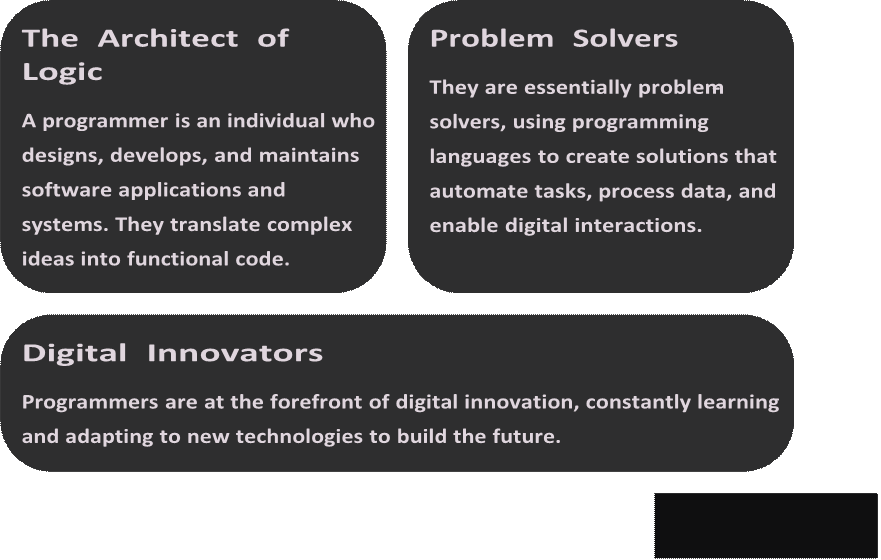
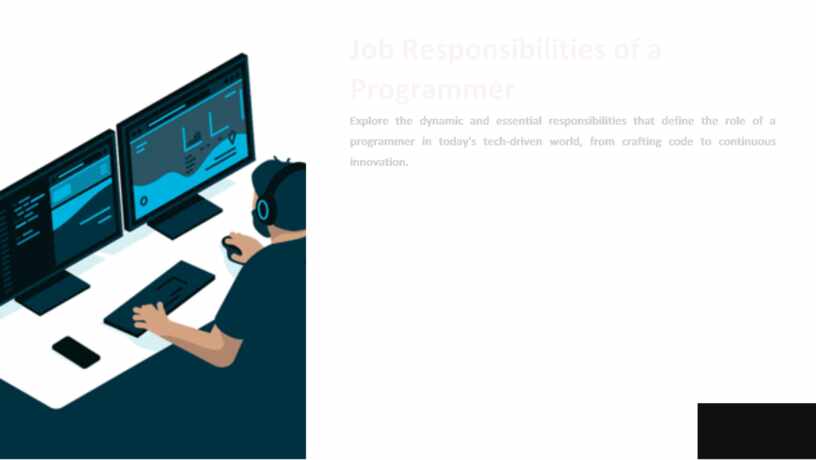
Explore the dynamic and essential responsibilities that define the role of a programmer in today's tech-driven world, from crafting code to continuous innovation.

 |
Core Duty: Writing and Testing Code
Programmers spend a significant portion of their time writing clear, efficient, and well-structured code. This involves understanding project requirements and translating them into logical instructions for computers.

Equally crucial is the process of testing. Programmers meticulously test their code to identify and fix bugs, ensuring the software performs as expected, is reliable, and free of errors.


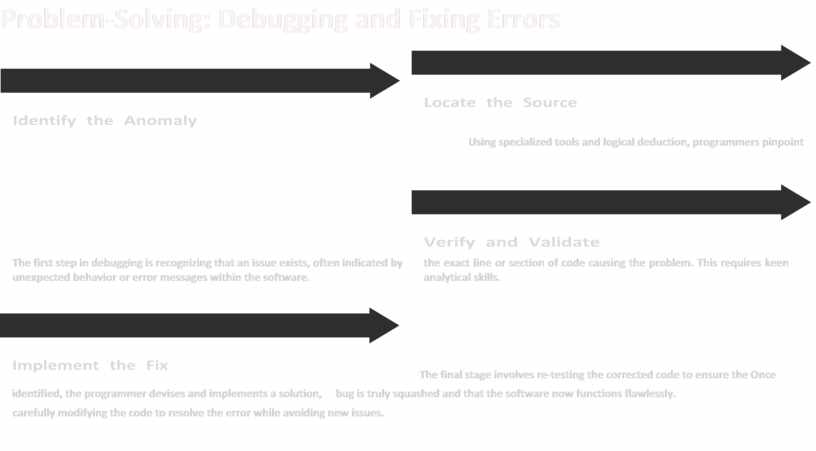
Problem-Solving: Debugging and Fixing Errors

 Using
specialized tools and logical deduction, programmers pinpoint
Using
specialized tools and logical deduction, programmers pinpoint
|
The first step in debugging is recognizing that an issue exists, often indicated by unexpected behavior or error messages within the software. |
the exact line or section of code causing the problem. This requires keen analytical skills. |

 The final stage
involves re-testing the corrected code to ensure the Once identified, the
programmer devises and implements a solution, bug is truly squashed and
that the software now functions flawlessly.
The final stage
involves re-testing the corrected code to ensure the Once identified, the
programmer devises and implements a solution, bug is truly squashed and
that the software now functions flawlessly.
carefully modifying the code to resolve the error while avoiding new issues.
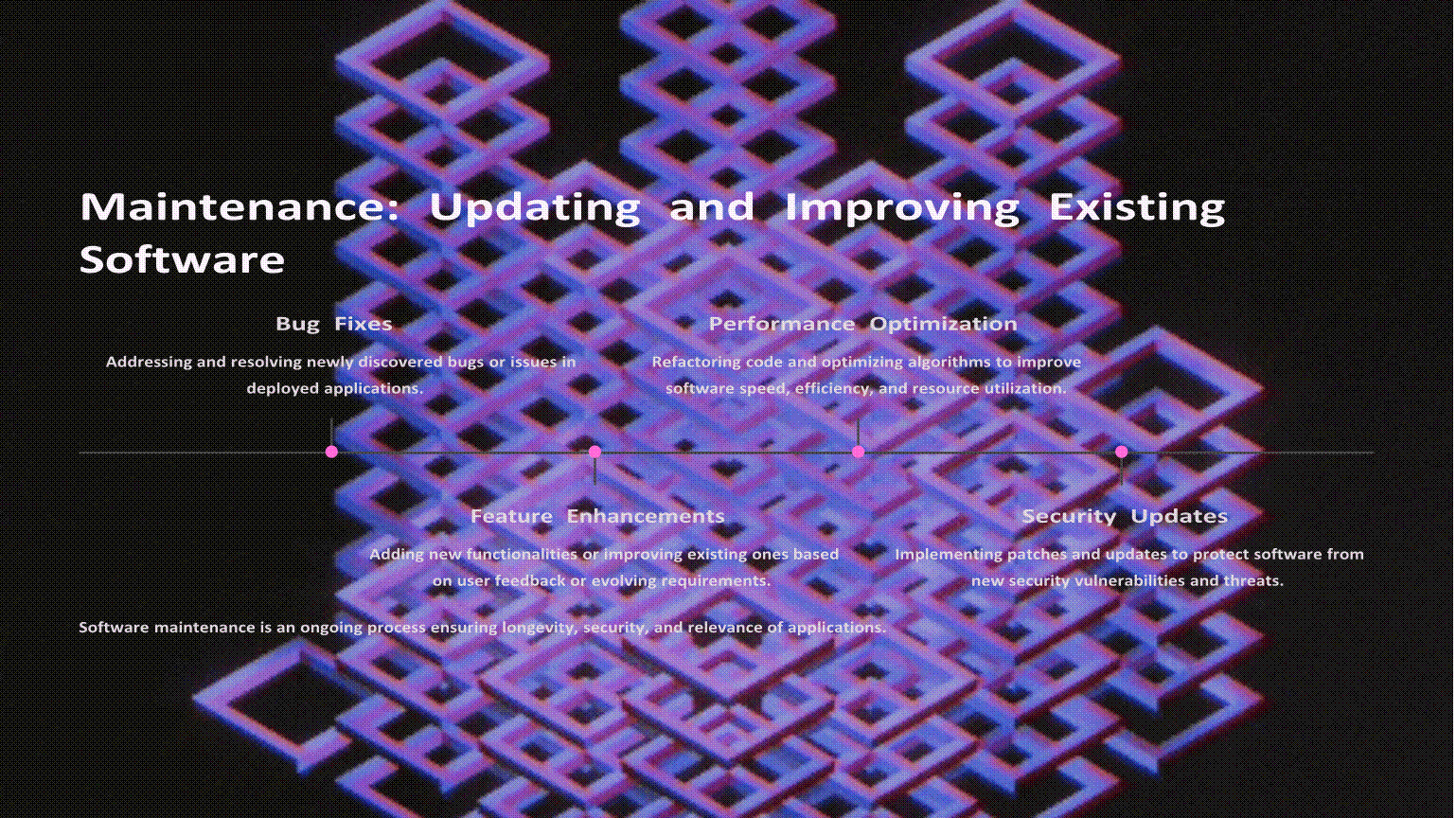
Debugging is an intricate part of a programmer's role, demanding patience, precision, and an investigative mindset.
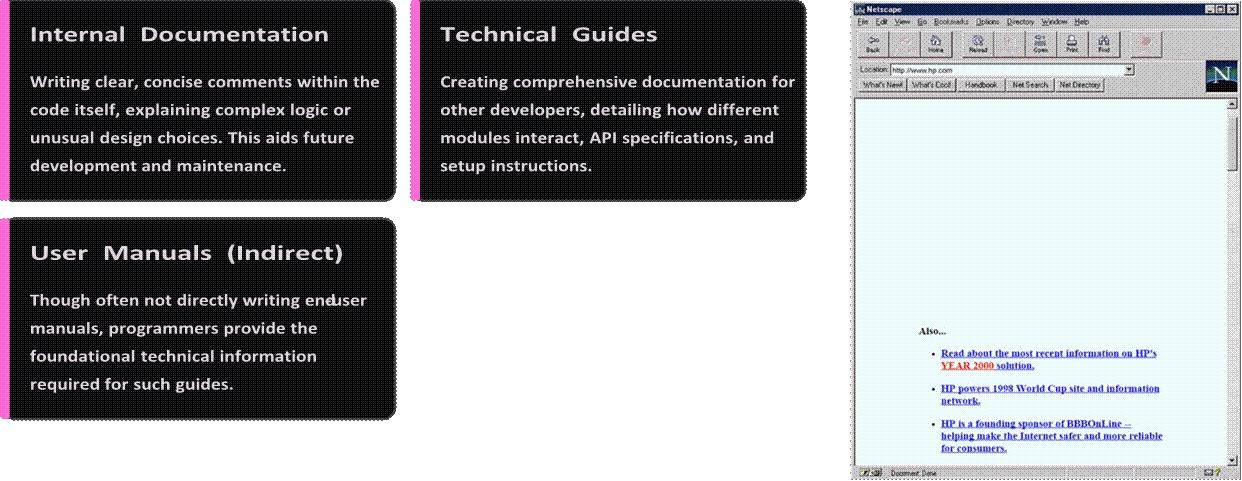
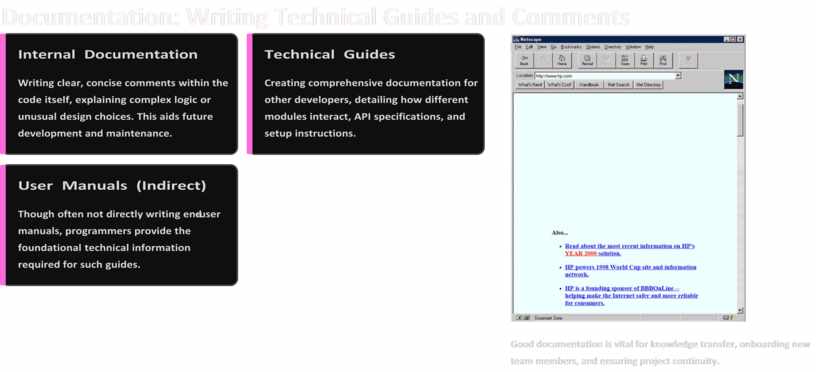
Good documentation is vital for knowledge transfer, onboarding new team members, and ensuring project continuity.
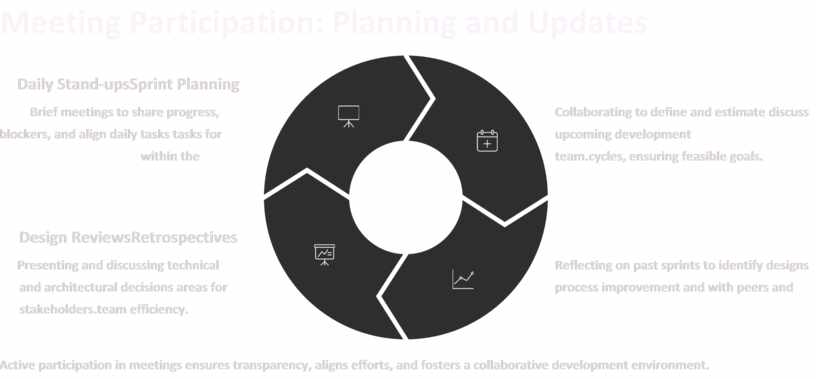
Meeting Participation: Planning and Updates
 Daily Stand-upsSprint Planning
Brief meetings to share progress, Collaborating to define and estimate discuss blockers, and align daily tasks tasks for upcoming development
within the team.cycles, ensuring feasible goals.
Presenting and discussing technical Reflecting on past sprints to identify designs and architectural decisions areas for process improvement and with peers and stakeholders.team efficiency.
Active participation in meetings ensures transparency, aligns efforts, and fosters a collaborative development environment.
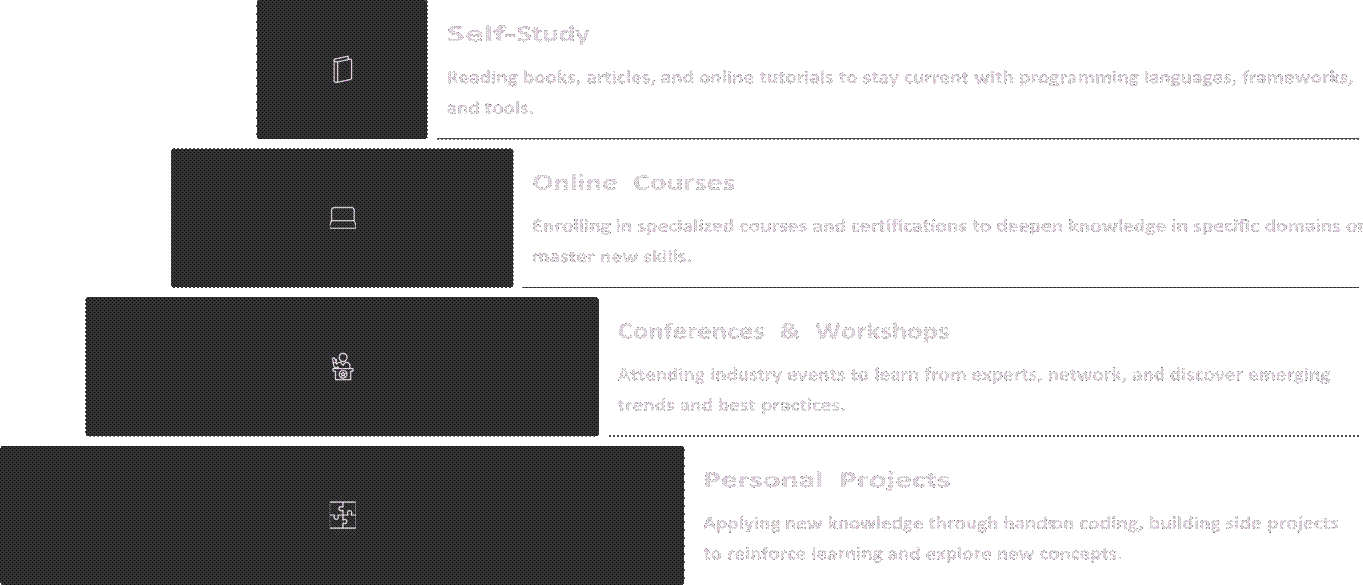
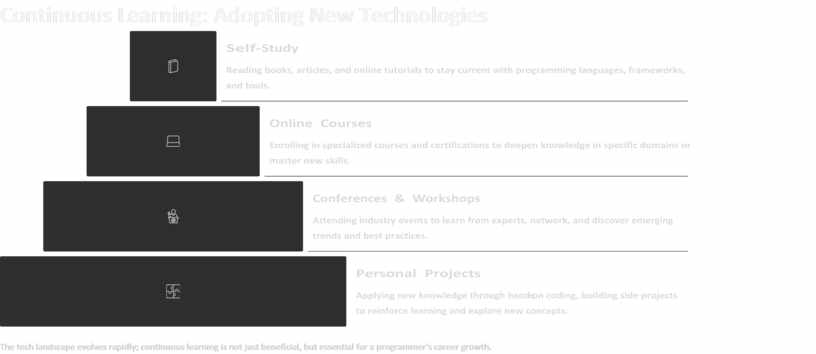
The tech landscape evolves rapidly; continuous learning is not just beneficial, but essential for a programmer's career growth.
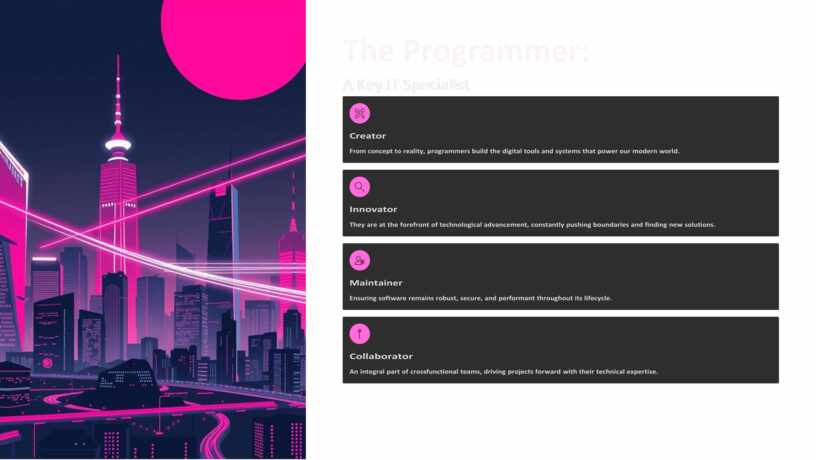
The Programmer:
 A Key IT Specialist
The role of a programmer is multi-faceted, demanding a blend of technical skill, analytical thinking, creativity, and constant adaptation. They are the architects of the digital age, shaping the future one line of code at a time.





Материалы на данной страницы взяты из открытых источников либо размещены пользователем в соответствии с договором-офертой сайта. Вы можете сообщить о нарушении.


