Поделиться


 СГ_02_ЭБАС_2025_ФОС.docx

Министерство образования Саратовской области
Государственное автономное профессиональное образовательное
учреждение Саратовской области «Энгельсский политехникум»
(ГАПОУ СО «Энгельсский политехникум»)
|
РАССМОТРЕН на заседании ПЦК ________________________________________ Протокол №___ от «___»____________202___г. Председатель ПЦК ______________/___________________/ ОДОБРЕН методическим советом техникума Протокол №____от «___»____________202___г. Председатель методсовета Зам. директора по УМР _____________/_______________________/ |
ФОНД ОЦЕНОЧНЫХ СРЕДСТВ
ПО УЧЕБНОЙ ДИСЦИПЛИНЕ
СГ.02 Иностранный язык (Английский)
в профессиональной деятельности
образовательной программы среднего профессионального образования
по программе подготовки специалистов среднего звена
25.02.08 Эксплуатация беспилотных авиационных систем
|
2025 г. |
Фонд оценочных средств (ФОС) разработан в соответствии с рабочей программой учебной дисциплины СГ.02 Иностранный язык (Английский) в профессиональной деятельности и требованиями Федерального государственного образовательного стандарта среднего профессионального образования (ФГОС СПО) по специальности 25.02.08 Эксплуатация беспилотных авиационных систем, Приказ Министерства просвещения Российской Федерации от 09.01.2023 № 2
Организация – разработчик: ГАПОУ СО «Энгельсский политехникум»
Разработчик:
Сотникова Е.В., преподаватели ГАПОУ СО «Энгельсский политехникум»
Содержание.
1. Пояснительная записка.
2. Оценка освоения учебной дисциплины.
2.1.Входной контроль освоения УД
2.2. Текущий контроль освоения УД.
2.3. Промежуточная аттестация по УД.
2.4 Тесты для проведения дифференцированного зачета .
3. Информационное обеспечение обучения.
Фонд оценочных средств предназначен для оценивания знаний и умений, практического опыта в ходе реализации программы подготовки специалистов среднего звена.
обучающийся должен обладать следующими умениями и знаниями, которые формируют элементы общих и профессиональных компетенций согласно ФГОС СПО по специальности 25.02.08 Эксплуатация беспилотных авиационных систем, а также способствуют достигнуть личностных результатов.
В результате освоения дисциплины обучающийся должен
уметь:
- вести различные виды диалогов (диалог - расспрос, диалог - обмен мнениями/суждениями, диалог побуждения к действию, этикетный диалог и их комбинация) в стандартных ситуациях официального и неофициального общения в бытовой, социокультурной и учебно-трудовой сферах, используя аргументацию, эмоционально-оценочные средства;
- рассказывать, рассуждать в связи с изученной тематикой, проблематикой и прочитанных/прослушанных текстов; описывать события, излагать факты, делать сообщения;
- создавать словесный, социокультурный портрет своей страны и страны/стран изучаемого языка на основе разнообразной страноведческой и культуроведческой информации;
- описывать события/явления, передавать основное содержание, основную мысль прочитанного/услышанного, выражать свое отношение к прочитанному/услышанному, давать краткую характеристику персонажей;
- воспринимать на слух и понимать относительно полно (общий смысл) высказывания на изучаемом иностранном языке в различных ситуациях общения;
- воспринимать на слух и выборочно понимать с опорой на языковую догадку, контекста краткие несложные аутентичные прагматические аудио- и видеотексты, выделяя значимую/нужную/необходимую информацию; оценивать важность/новизну информации, определять свое отношение к ней;
- читать несложные аутентичные тексты разных жанров и стилей с полным и точным пониманием и с использованием различных приемов смысловой переработки текста (языковой догадки, выборочного перевода), а также справочных материалов; уметь оцени
-читать аутентичные тексты с выборочным пониманием значимой/нужной/интересующей информации;
- заполнять различные виды анкет, сообщать о себе в форме, принятой в стране/странах изучаемого языка;
- описывать явления, события, излагать факты в письме личного и делового характера;
- составлять план, тезисы устного или письменного сообщения; кратко излагать результаты проектной деятельности;
знать:
- фонетический строй английского языка, правила правописания, основные звуки и фонемы английского языка
- определенный объем лексических единиц (1200-1400 лексических единиц);
- грамматический минимум, необходимый для чтения и перевода (со словарем) текстов на иностранном языке профессиональной направленности
- лингвострановедческую, страноведческую информацию, расширенную за счет новой тематики и проблематики речевого общения
- тексты, построенные на языковом материале повседневного и профессионального общения.
Изучение учебной дисциплины направлено на:
Формирование общих и профессиональных компетенций:
ОК 02 Использовать современные средства поиска, анализа и интерпретации информации и информационные технологии для выполнения задач профессиональной деятельности
ОК 04 Эффективно взаимодействовать и работать в коллективе и команде
ОК 05 Осуществлять устную и письменную коммуникацию на государственном языке Российской Федерации с учетом особенностей социального и культурного контекста
ОК 09 Пользоваться профессиональной документацией на государственном и иностранном языках
ПК 1.6. Выполнять требования воздушного законодательства Российской Федерации, а также руководств (инструкций) по эксплуатации беспилотных воздушных судов самолетного типа и руководящих отраслевых документов.
ПК 2.6. Выполнять требования воздушного законодательства Российской Федерации, а также руководств (инструкций) по эксплуатации беспилотных воздушных судов вертолетного типа и руководящих отраслевых документов.
ПК 3.6. Выполнять требования воздушного законодательства Российской Федерации, а также руководств (инструкций) по эксплуатации беспилотных воздушных судов смешанного типа и руководящих отраслевых документов.
Критерии оценки выполнения работы на практических занятиях
«Зачет» ставится, если обучающийся выполнил работу в полном объеме с соблюдением необходимой последовательности действий; проявил самостоятельность, в отчете правильно и аккуратно выполняет все записи, таблицы, рисунки, чертежи, графики, вычисления; правильно выполняет анализ ошибок.
«Незачет» ставится, если обучающийся выполнил работу не полностью или объем выполненной части работы не позволяет сделать правильных выводов.
Оценка по результатам выполнения практических занятий выставляется после выполнения и сдачи отчета.
Критерии оценки самостоятельной (аудиторной и внеаудиторной) работы
Оценка «отлично» - обучающийся свободно применяет знания на практике; не допускает ошибок в воспроизведении изученного материала; выделяет главные положения в изученном материале и не затрудняется в ответах на видоизмененные вопросы; усваивает весь объем программного материала; материал оформлен аккуратно.
Оценка «хорошо» - обучающийся знает весь изученный материал; отвечает без особых затруднений на вопросы преподавателя; умеет применять полученные знания на практике; в ответах не допускает серьезных ошибок, легко устраняет определенные неточности с помощью дополнительных вопросов преподавателя; материал оформлен недостаточно аккуратно.
Оценка «удовлетворительно» - обучающийся усвоил основной материал, но испытывает затруднения при его самостоятельном воспроизведении и требуются дополняющие вопросы преподавателя; материал оформлен не аккуратно.
Оценка «неудовлетворительно» - обучающийся имеет отдельные представления об изучаемом материале, но все, же большая часть не усвоена; материал не оформлен.
Курс: 2, семестр: 3
Раздел 1. Основной модуль Тема 1.1 Введение.
Тема 1.2. Путешествие по воздуху. Тема 1.3. Аэропорт.
Продолжительность опроса – 45 минут.
Количество опрашиваемых студентов – все присутствующие.
Цель - проверить коммуникативные навыки студента на примере конкретной темы. Задача - дать оценку лексико-грамматическим знаниям и языковым компетенциям студента.
1. Are you fond of travelling?
2. Where do you usually spend your holidays?
3. Where did you spend your last holidays?
4. Where would you like to spend your next holidays?
5. What is your idea of an ideal holiday?
6. Some people prefer to travel on their own and hate travelling in a group. What about you?
7. What do you think about travelling by air? What are advantages and disadvantages of travelling by air?
8. How do you see aviation in the future?
9. What would the world be like if we couldn’t fly?
1. What do you now about new modern terminals in Russia? How do you see terminal in the future?
2. What can you say about ground movement incidents: vehicles on the field, collisions, vehicle breakdown, aircraft damage caused by airport vehicles?
3. What problems linked to activities on the field can cause departure delays?
4. Have you ever had ground movement incidents? What happened? How was the problem resolved?
2(неудовлетворительно) – студент отказывается выполнять задание
3(удовлетворительно) – устное сообщение не соответствует в полной мере заявленной теме или содержит большое количество фонетических, лексико-грамматических ошибок (более 4-5)
4(хорошо) – устное сообщение соответствует заявленной теме, фонетические неточности не искажают смысл, количество лексико-грамматических ошибок - не более 3.
5(отлично) – устное сообщение соответствует заявленной теме, фонетические неточности незначительны или отсутствуют, количество лексико-грамматических ошибок - не более 1-2.
Пояснительная записка
Цель письменной работы: оценить знания студентов, полученных в процессе обучения.
Форма письменной работы: выполнение практических заданий. Продолжительность: 2 академических часа.
VARIANT 1.
1. Insert the articles a, an, the where necessary.
1. … customs officers will board … plane in … afternoon.
2. To get to … main airport building from your arrival pier follow … yellow EXIT signs.
3. There will be … 20-minute delay, so your flight will be boarding in about half … hour.
4. My company is interested in buying … aeroplanes.
5. There is … lot of accommodation at … seaside in Great Britain, but … accommodation is very expensive.
2. Insert the correct prepositions where necessary.
1. What do you think about travelling … air?
2. What days are the planes … London?
3. When shall we arrive … the airport?
4. We have got some vacant seats … that flight.
5. What type … aircraft do you fly?
3. Use the verbs in the correct tense-forms.
1. While they (wait) for their flight to be called, passengers (sit) in a lounge where they can have a drink and a meal.
2. The first plane to Moscow (leave) at 6.05.
3. There (be) a lot of traffic now.
4. He (work) as a pilot.
5. An electronic boards (give) flight details and warns of delays.
4. Use the correct forms of comparison.
1. Flying is one of the (safe) forms of transport known to man.
2. A modern airport is just like a (small) city.
3. This sentence is (difficult) than the first one.
4. In years to come the number of flights will rise (steadily).
5. This film is (bad) than I saw last week.
At the check-in desks the passengers present their tickets to the clerks who checks the booking with the airline computer. They next weigh the luggage, label it for its destination, and send it off on a conveyor belt for loading. They then issue the passenger with a card for boarding the plane. While the passengers are waiting for their flight, other people are busy at work. The luggage is loaded on to the plane. The loaders use special belts which take the cases right into the hold of the plane.
VARIANT 2.
1. Insert the articles a, an, the where necessary.
1. If you want to get … room at … hotel in Nice in summer time you must reserve … accommodation in advance.
2. In … morning … engineers look through … Russian and English newspapers and journals.
3. There is … whole range of specialist vehicles at … airports.
4. Passengers for … flight 452 to Spain, please, collect your hand luggage and go to … gate 4.
5. … last month our manager went to St. Petersburg by … plane.
2. Insert the correct prepositions where necessary.
1. The plane will arrive … a delay … 40 minutes. Will you go … the departure lounge and wait … the announcement?
2. It is used … electrical power … the parking place.
3. … front … the Arrival hall is everything you need to continue your journey.
4. These terminals must be fitted … facilities such … shops, banks and restaurants.
5. As the hotels are full … weekends Mr. Blake phoned … the Hove hotel and reserved rooms …advance.
3. Use the verbs in the correct tense-forms.
1. When you (arrive) in London, it (rain) heavily.
2. We (be) the ground controllers.
3. They just (discuss) the time of the departure.
4. I (know) the results in a week.
5. Then you (go) through customs and passport control.
4. Use the correct forms of comparison.
1. This London airport is becoming (efficient) and (attractive) nowadays.
2. One of the (important) factors is the design of the plane itself.
3. This is (busy) airport I have ever seen.
4. These modern airports must be fitted out with (long) and (wide) runways.
5. Are our cars (comfortable) than German ones?
After a plane landed at a big modern airport, the flight crew are told by the controllers where to turn off the runway and which taxi track to take towards the terminal building. Airports have many parking places or stands, where airliners finish and start journeys, and where the passengers get off and on. While buses whisk passengers away to the terminal, the customs officers board the plane. As soon as the passengers and their luggage have been unloaded, the plane is made ready for its next flight.
Письменная работа содержит задания по всем лексико-грамматическим темам дисциплины «Иностранный язык» и выполняется в 2 вариантах. Каждый вариант включает в себя 5 заданий. Номер варианта определяется преподавателем. Работа, выполненная по другому варианту, возвращается студенту без проверки.
Курс: 2, семестр: 4
Раздел 2. Развивающий модуль
Тема 2.1. Авиационные профессии. Тема 2.2. На борту самолета.
Тема 2.3. Полет.
Продолжительность опроса – 45 минут.
Количество опрашиваемых студентов – все присутствующие.
Цель - проверить коммуникативные навыки студента на примере конкретной темы. Задача - дать оценку лексико-грамматическим знаниям и языковым компетенциям студента.
1. What kind of work do you have?
2. What company are you working for?
3. What are your functions and tasks?
4. What are you responsible for?
5. Why do you like your job?
6. What do you enjoy about your work?
7. What do you dislike about your work?
8. What are your future plans?
9. Do you have any ambitions and prospects for the future?
10. What recommendations would you give to pilots (air traffic controllers, flight attendants) to be successful in their profession?
1. What are your company priorities?
2. How do you feel about making announcements?
3. What events can create a great deal of anxiety with the passengers?
4. What do you do to make passengers feel comfortable and safe during the flight?
5. In what ways do people behave badly when flying?
6. Have you ever seen or heard about someone misbehaving on a plane?
7. What airsickness symptoms can you name?
8. What are the main passengers’ health problems and in – flight medical emergencies?
9. What do you know about medical assistance for passengers? 10.What medical training do cabin crews of your company receive?
1. How did you get started in Aviation?
2. Why do you like your job?
3. Why do you decide to become a pilot (an air traffic controller, a flight attendant)?
4. What aircraft do you fly?
5. How do you see aviation in the future?
6. What are your future plans?
7. Where do you see yourself in 10 years?
2 (неудовлетворительно) – студент отказывается выполнять задание
3 (удовлетворительно) – устное сообщение не соответствует в полной мере заявленной теме или содержит большое количество фонетических, лексико-грамматических ошибок (более 4-5)
4 (хорошо) – устное сообщение соответствует заявленной теме, фонетические неточности не искажают смысл, количество лексико-грамматических ошибок - не более 3.
5 (отлично) – устное сообщение соответствует заявленной теме, фонетические неточности незначительны или отсутствуют, количество лексико-грамматических ошибок - не более 1-2.
Пояснительная записка:
Цель письменной работы: оценить знания студентов, полученных в процессе обучения.
Форма работы: выполнение практических заданий. Продолжительность: 2 академических часа.
A Short History of Flight
A. The first actual flight man made was that in the balloon. At that time man knew that cold air pushed warm air up as warm air was lighter than cold air. That is why the first balloon that rose into the air was a hot-air balloon.
B. The invention of the balloon was the first great achievement in regard to flight but free balloons had two main disadvantages. First, the balloon was not a practical device for transportation because it was almost entirely dependent on the wind. Secondly, the balloon slowly dropped as the air in the bag cooled.
C. Then there came the idea to fill the balloon with hydrogen. Hydrogen was the lightest gas man knew. Still the balloon was not a practical air transport vehicle. There were attempts to provide the balloon with controls but they were quite useless as a means of directional control. The problem was how to propel the balloon.
D. In the 18-th century man knew that flight was possible on motionless wings with the help of air current. Research began to follow two lines, one, which dealt with lighter-than-air aircraft and the other - with heavier-than-air aircraft.
E. The real history of mechanical flight began with the 19-th century. In the second half of the century there appeared gliders. The glider was a heavier-than-air craft which supported a man who could, to a certain extent, control it. The glider stayed in the air as it took advantage of the air currents that rose upwardly. The glider was not a practical device either. It could not remain in still air and could not cover long distances.
F. The invention of the engine opened the way for aerial navigation. With the help of it man had control over all directions. The greatest success with the lighter-than-air principle came when there appeared dirigibles. They carried engines as a means of propulsion.
G. The first powered flight in a man-carrying aeroplane was made by A.F. Mojaisky in 1884. It was 19 years before the Wright brothers flight. The Mojaisky and Wright aeroplanes led the way into the air age. These aeroplanes had all essential features of the modern aeroplane. However it was to take many years before the aeroplane developed into a successful, stable, controllable, highly maneuverable and reliable machine.
I. Find the definition of a glider in the text.
II. Find the English equivalents to the following words and word combinations in the text:
толкать; достижение; относительно; падать; попытка; средство; поток; приводить в движение; движение вперед; до известной степени; вверх; летательные аппараты легче воздуха; иметь дело с; появляться; воздушная навигация; проложить дорогу; основные черты; маневренный и надежный аппарат.
III. Complete the following sentences using the ideas from the text.
1. The first balloon that rose into the air was …
2. The balloon was not a practical device because …
3. The glider took the advantage of …
4. With the help of engines man had …
5. The greatest success with the lighter-than-aircraft came when…
6. The aeroplanes developed into …
IV. Agree or disagree with the statements. Correct the wrong ones.
1. The first actual flight man made was that in the glider.
2. Free balloons had a lot of disadvantages.
3. Then there came the idea to fill the balloon with oxygen.
4. The real history of mechanical flight began with the 20-th century.
5. The glider was a lighter-than-air craft and could cover long distances.
6. The first powered flight in an aeroplane was made by the Wright brothers.
Письменная работа содержит задания по лексико-грамматическим темам дисциплины «Иностранный язык в профессиональной деятельности» и выполняется в 1 варианте. Каждый вариант работы включает в себя текст и 4 задания по тексту.
Курс: 3, семестр: 5
Курс: 3, семестр: 6
Раздел 2. Развивающий модуль Тема 2.4. Погода. Климат.
Тема 2.5. Безопасность полётов.
Продолжительность опроса – 45 минут.
Количество опрашиваемых студентов – все присутствующие.
Цель - проверить коммуникативные навыки студента на примере конкретной темы. Задача - дать оценку лексико-грамматическим знаниям и языковым компетенциям студента.
1. What weather conditions are hazardous for the operation of the flight?
2. What are the causes and possible effects of natural disasters?
3. Have you ever seen any of these disasters: earthquakes, volcanic eruption, flooding, severe thunder storms, hurricanes, tsunami, cyclones, hailstones, droughts?
4. Have there been any natural disasters in your country?
5. Have you ever had a good or bad experience as a result of the weather?
6. How do aircraft emissions affect the environment?
7. What are the ways to protect the atmosphere?
1. What can cause hazards in the vicinity of the aerodrome?
2. CFIT – what are risk factors?
3. Why are flight planning and pre-flight briefing necessary for avoiding hazards?
4. What may cause engine shut down?
5. What may be the reasons for aborting take-off?
6. What methods of wildlife do you know?
7. What goods are considered to be dangerous?
8. What are the motives for aircraft hijacking now?
9. What are the most effective means of deterring hijacking?
10.What security systems do you know?
AIR TRAFFIC CONTROL
The ATC’s first concern is safety that is the prevention of collision between aircraft in the air and orderly flow of traffic.
To perform their exacting duties air traffic controllers need adequate facilities. The introduction of radars greatly assists in expediting the flow of traffic reducing the separation minima. Computers are also a powerful tool. They give assistance by taking over routine tasks but they must not dominate the system. The human controller is much more efficient than any current system because it is he who takes responsibility for controlling aircraft and it is he who takes final decisions in all situations including conflicting and emergency.
During periods of heavy traffic controllers work under high stress. They may control several aircraft simultaneously, their number sometimes exceeding 15 and even more. Controllers’ slightest error may cause loss of human lives and property.
Top physical and mental condition is a vital requirement for ATC controllers. Therefore they undergo strict medical examination which are repeated at periodic intervals.
The problem of the selection and training of ATC personnel is extremely important. The controllers should possess a number of qualities which are absolutely necessary for them: a high degree of morality, a very good nervous and emotional balance, a sound critical judgment, a readiness for decisions and an instinct for team work. To become a highly professional controller one must be proficient not only in specialized aviation English but also in plain language because aviation safety depends on accurate pilot – controller communications.
The training of ATC personnel is carried out by different methods using various teaching aids, systems and simulators. Modern simulators can reproduce the whole ATC task from take-off to landing including all manoeuvers even the dangerous ones.
EXERCISES
I. Ответьте на вопросы:
1. What is the main task of ATC activity?
2. How can controllers expedite the flow of traffic?
3. What aids and systems do controller use to control air traffic?
4. Can any aids or systems substitute a human controller? If not, then why?
5. What are the working conditions of controllers?
6. How many aircraft may controllers control at peak traffic periods?
7. What is one of the vital requirements for ATC controllers?
8. How often do they undergo medical examinations?
9. What qualities should a person possess to become a controller?
10. What can you say about the role of the English language in controller’s work?
11. How are controllers trained?
12. Can modern simulators reproduce conflicting and emergency situations?
II. Переведите слова, обращая внимание на словообразовательные элементы: prevent – prevention – preventive
provide – provision – provider – provisional order – orderly
perform – performance exact – exactly – exactness
introduce – introduction – introductory
reduce – reduction
power – powerful – powerless efficient – efficiently – efficiency
responsible – responsibility – response – respond decide – decision – decisive
strict – strictly – strictness necessary – unnecessary – necessity
depend – dependent – dependence – independent train – trainer – trainee – training
carry – carrier – carriage
differ – different – indifferent – differently simulate – simulator – simulation
III. Переведите на английский язык:
1. Существует много технических средств, помогающих диспетчерам в их работе.
2. Главным элементом в системе УВД является диспетчер, т.к. он принимает окончательное решение в любой ситуации.
3. Так как работа диспетчера очень ответственна необходим строгий отбор и подготовка персонала УВД.
4. Диспетчер должен иметь хорошее физическое здоровье умение принимать решение и работать в команде.
5. Различные тренировочные средства, системы и специальные тренажеры используются для подготовки персонала УВД.
6. Современные тренажеры позволяют имитировать все этапы полета, включая аварийные ситуации.
7. 15 или даже больше самолетов находятся под контролем диспетчера в период интенсивного движения.
8. Электронные средства не могут заменить диспетчера. Они могут только помогать ему.
9. Диспетчер не должен допускать ошибок, так как это может привести к потере человеческих жизней.
10. Минимумы эшелонирования будут уменьшены в ближайшем будущем.
11. Какой европейский центр подготавливает диспетчерский персонал?
12. Этот тренажер не может воспроизводить аварийные ситуации.
HUMAN FACTORS IN AVIATION
Human factors is a critical aspect of aviation safety, one that ICAO began to address more than a decade ago.
ICAO convened the first in a series of global symposia on flight safety and human factors in 1990. From the beginning, when the first event was held in a city known then as Leningrad, there was a conviction that international aviation could make enormous progress in improving safety through the application of human factors knowledge.
The first symposium was a turning point and the stage for following meetings in the United States in 1993, in New Zealand in 1996 and, finally in Chile in 1999. There have been encouraging developments since 1990, but we still have challenges to pursue: after the Leningrad symposium, human error remains a significant safety concern.
The purpose of the worldwide symposia and 10 regional seminars which were held in the past decade was to increase the awareness of States, industry and organizations in all ICAO regions about the importance of human factors. The ongoing implementation of the ICAO communication, navigation, surveillance and air traffic management (CNS/ATM) systems concept has introduced new challenges, and also new possibilities for human factors. The reason the community must respond to is, of course, to ensure that civil aviation continues to achieve its ultimate goal: the safe and efficient transportation of passengers and goods.
The ICAO flight safety and human factors programme is safety–oriented and operationally relevant. Moreover, it is practical since it must deal with real problems in a real world.
Through the programme, ICAO has provided the aviation community with the means and tools to anticipate human error and contain its negative consequences in the operational environment. Furthermore, ICAO’s efforts are aimed at the system – not the individual.
The global aviation safety plan (GASP) was developed by the ICAO Air Navigation Commission in 1997 and subsequently approved by the ICAO Council and endorsed by the ICAO Assembly. GASP was designed to coordinate and provide a common direction to the efforts of States and the aviation industry to the extent possible in safety matters. It is a tool that allows ICAO to focus resources and set priorities giving emphasis to those activities that will contribute the most to enhancing safety. Therefore the flight safety and human factors programme is among the six major activities that comprise the plan.
EXERCISES
I. Ответьте на вопросы:
1. When did ICAO begin to address to the aspect of human factors?
2. When and where was the first symposium on flight safety held?
3. What can improve aviation safety?
4. How many symposia on flight safety were held by ICAO?
5. What was the purpose of the symposia and seminars?
6. Where can the knowledge of human factors be applied?
7. What is the ultimate goal of civil aviation?
8. What is the ICAO flight safety and human factors programme?
9. What for was the global aviation safety plan developed?
10. Why is the flight safety and human factors programme so important?
II. Переведите слова, обращая внимание на словообразующие элементы: safe – safety – safely – unsafe
navigate – navigation – navigator – navigable – navigability
operate – operation – operative – operator – operational - operationally industry – industrial – industrious - industrialist – industrialization
communicate – communication – communicative – communicable – communicator progress – progressive – progression – progressionist
improve – improvement – improvable – improver organize - organization – organizer - disorganization
efficient – efficiency – inefficient – efficiently – inefficiency
III. Найдите в тексте эквивалент следующим словосочетаниям:
знание человеческого фактора; важное дело для безопасности; идея систем связи, навигации, обзора и управления воздушным пространством и воздушным движением; программа ИКАО по безопасности полетов и человеческому фактору; план по авиационной безопасности в мировом масштабе; комиссия ИКАО по воздушной навигации; вопросы безопасности.
IV. Переведите на английский язык:
1. Человеческий фактор является одним из важнейших аспектов авиационной безопасности.
2. В течение последнего десятилетия ИКАО провела несколько симпозиумов и семинаров, связанных с человеческим фактором в авиации.
3. Знание человеческого фактора может значительно повысить безопасность полетов.
4. Для повышения безопасности новые системы связи, навигации и обзора постоянно широко внедряются.
5. Совершенствование управления воздушным движением будет продолжаться.
6. Программа по безопасности полетов и человеческому фактору является инструментом, который позволяет предупреждать человеческие ошибки при выполнении полетов.
7. Вопросы безопасности в авиации и человеческий фактор являются самыми важными в плане авиационной безопасности в мировом масштабе.
Письменная работа содержит задания по всем лексико-грамматическим темам дисциплины «Иностранный язык» и выполняется в 2 вариантах.
Каждый вариант включает в себя 4 задания. Номер варианта определяется преподавателем.
Работа, выполненная по другому варианту, возвращается студенту без проверки.
Курс: 4, семестр: 7
Курс: 4, семестр: 8
|
Раздел 3. Профессионально направленный модуль Тема 3.1.Предотвращение авиакатастроф Тема 3.2.Технологии будущего Тема 3.3.Летный и наземный состав Тема 3.4.Летательные аппараты Тема 3.5.Радионавигационные и визуальные средства Тема 3.6. БАС |
Продолжительность– 45 минут.
Количество опрашиваемых студентов – все присутствующие.
Цель - проверить навыки работы студента с текстами на примере конкретной темы. Задача - дать оценку лексико-грамматическим знаниям и языковым компетенциям студента.
Nowadays many people of different tongues are using aeroplanes everywhere. And this is the language problem for an airport, airspace user and navigation personnel.
It is known that the working languages of ICAO are those of English, French, Spanish and Russian. But it is known as well that many aviation specialists in the world are very limited in the knowledge of one of these languages or even do not undergo sufficient training in English to master radio communication. This results in some problems facing both pilots and controllers, namely: accent, mispronunciation, inaccurate grammar, speed of delivery, the persistent use of non-standard radio-telephony (RT) phraseology and some others.
A prerequisite to becoming a controller or a pilot should be a high standard of spoken English. A non-native speaker monitoring another speaking English over the RT may be confused by inaccurate grammar or pronunciation.
Speed of delivery is another frequently head complaint, especially about aerodrome terminal information services (ATIS) and meteorological broadcasts to aircraft in flight (VOLMET). It is not less important to speak without pauses and stumbles over words. The best recommendation is the rate of 100-120 words per minute.
Another difficulty is that of accent which is not easily rectified. This problem is connected with the peculiarities of pronunciation. For example, there exist peculiarities in pronunciation inherent in certain geographical regions in the South Pacific.
The ICAO RT phraseology has been designed to limit each instruction to the minimum number of words. It is for this reason that a controller does not want to waste time listening to extraneous language, particularly at busy times when the traffic flow is heavy.
It sometimes happens that the user may be able to speak the limited number of phrases quite well and may react to them correctly. But it does not mean that he is really speaking the language. He is treating it as a code without being aware of adequate meaning of the words spoken. This will do in a standard situation, but in an emergency communication is absolutely impossible. It follows that any course of teaching RT phraseology by rote without language teaching is dangerous as the student is unable to cope with emergencies.
These are several recommendations to improve the situation:
1. A high standard of English is essential as a precondition for qualification either a controller or a pilot. Proficiency is required both in speaking and comprehension.
2. In service tuition in English should be mandatory for both controllers and pilots with stress on pronunciation.
3. Radio traffic should be monitored, either regularly or from time to time by a qualified assessor.
4. English speakers should abstain non-standardized chat and especially from developing regional jargon.
5. Language training should take place in the area in which the trainee will be operating, i.e. teachers should go where the trainees will work.
6. ATISs and VOLMETs should be subject to specified word flow rates.
7. On purely logic grounds and without any nationalistic bias English should be made the primary official language for all RT communications relating to air traffic control. This would greatly enhance flight safety.
It is known that the desire to fly is as old as humanity. Observations for flying birds gave man the idea of human flight. Every nation has many legends and tales about birdmen and magic carpets. The earliest of these legends comes from China.
One of the most famous Greek legends is the legend of Daedalus and Icarus who made wings and fastened them on with wax. Daedalus landed in safety. Icarus was not so careful as his father and he flew closer and closer to the sun. The closer he was the hotter it became. The wax melted, his wings came off and he fell into the sea.
It is clear that in those old days people knew little about nature. They could not understand much about the air and its nature and were unable to explain most of the phenomena of nature.
As time went on there came a stage when people no longer regarded flight as a supernatural phenomenon. The desire to fly was the desire to control nature. People imitated birds when they used wings. They had to fight against many prejudices because there was common belief that man could not fly.
The first scientific principles of human flight appeared in the 14th century. The great scientist Leonardo de Vinci recorded a few of them. He found that a knowledge of the air and its currents helped to understand the phenomenon of flight.
Daedalaus was a Greek; Garuda was Indian; Leonardo de Vinci Italian; Lilienthal was German; Montgolfier and Bleriot were French; Hargrake was Australian; Captain Mozhaiski was a Russian; the Wright brothers were American. They were the pioneers. Nor is this the end of this truly international story. The air captured the imagination of all. It was the efforts of men of many countries who pioneered civil aviation, who brought it to the art that we know today, and who now help its rapidly developing growth. The aeroplane is a creature of no one country's knowledge and effort. So it became clear from the very start that without international agreement the development of aviation would be greatly limited. The most successful attempt came in 1944 at a Conference of 52 nations held in Chicago, at the invitation of the United States. It was at this conference that the International Civil Aviation Organization was created.
In November 1944 in Chicago 52 nations signed the Convention on International Civil Aviation. The 96 Articles of the Convention provide for the adoption of international standards and recommended practices. It was decided that ICAO would come into being (start working) after the Convention was ratified by 26 states. It happened on the 4-th of April in 1947. Montreal was chosen as the headquarters of the Organization.
The ICAO activities are numerous. The main task is to provide the necessary level of standardization for the safe and regular air operations. SAHRS (International Standard and Recommended practices) regulate air navigation, recommend installation of navigation facilities and suggest the reduction of customs formalities. International standards must be strictly observed by all member States. Recommended practices are desirable but not essential.
ICAO has a Sovereign body, the Assembly, and a governing body, the Council. The Assembly meets once in 3 years and reviews the work in the technical, economic and legal fields in detail.
The Council is a permanent body composed of representatives of the Contracting states. Its first President was Edward Warner.
The Council is assisted by the Air Navigation Committee, the Legal Committee, the
Committee on Unlawful Interference and some others. One of the major Council duties is to adopt International Standards and Recommended Practices. It may act as an arbiter between Member States. And, in general, it may take any steps necessary to maintain the safety and regularity of air operations.
There are 18 Annexes to the Convention, they cover all aviation problems.
The Secretariat staff, headed by the Secretary General, provides the permanent organizational work. ICAO has 6 regional offices. The working languages of ICAO are English, French, Spanish and Russian.
In 1958 the Warner Awards were established by ICAO for outstanding contributions to international civil aviation.
1. IATA - International Air Transport Association is the second in its importance organization after ICAO for international civil aviation. It was founded in 1945 and is uniting world airlines. The main objective of this organization is to provide safe and regular development of civil aviation and cooperation of world airlines. The IATA Technical Committee deals with the problem of safety, standardization of aviation equipment, training of flying personnel, communications, meteorology, aerodromes, navigational aids, etc.
2. International Civil Airports Association (ICAA) is the major international airports association. It is an organization permitting a constant exchange of experience, information and documentation among airports as well as contacts between airport managements. Founded in 1962 ICAA is doing much to help countries in developing both domestic and international airports providing specialists and equipment.
3. International Federation of Air Traffic Controllers' Associations (IFATCA) was founded in 1963 with the purpose to enable the national associations to study and solve the problems for the development of air traffic control art and to create a better understanding among the controllers serving the international aviation.
4. Eurocontrol is the European organization working for air navigation safety. It was created in 1963 for better service of European airspace. The increase of fast flying civil transport aircraft brought a number of difficulties and resulted in the necessity of new operating methods and use of advanced technology. Some European countries signed an agreement to organize common air traffic control in the upper airspace.
2(неудовлетворительно) – студент отказывается выполнять задание.
3(удовлетворительно) – устное сообщение не соответствует в полной мере заявленной теме или содержит большое количество фонетических, лексико-грамматических ошибок (более 4-5)
4(хорошо) – устное сообщение соответствует заявленной теме, фонетические неточности не искажают смысл, количество лексико-грамматических ошибок - не более 3.
5(отлично) – устное сообщение соответствует заявленной теме, фонетические неточности незначительны или отсутствуют, количество лексико-грамматических ошибок - не более 1-2.
Пояснительная записка:
Цель письменной работы: оценить знания студентов, полученных в процессе обучения.
Форма письменной работы: выполнение перевода.
Продолжительность: 2 академических часа.
Письменная работа содержит задания по всем лексико-грамматическим темам дисциплины «Иностранный язык в профессиональной деятельности».
1. What is ICAO ?
2. When and where was ICAO created ?
3. Where is the ICAO's headquarters ?
4. What are the working languages of ICAO ?
5. What is the main task of ICAO ?
6. Where are the main aims of ICAO spelt out ?
7. How does ICAO ensure the safe and efficient aviation operation ?
8. What for are the uniform rules and procedures required ?
9. What other international Civil Aviation Organizations do you know ? 10.What is IATA ? IFATCA ? Eurocontrol ?
1. Ясно, что невозможно обеспечить безопасный полет без международного сотрудничества.
2. В настоящее время в ИКАО около 200 стран – членов ИКАО.
3. ИКАО решает много проблем, но главная из них - безопасность полетов.
4. Существуют общие правила полета и процедуры, которые все страны – участники должны соблюдать.
5. Имеется несколько других международных авиационных организаций гражданской авиации.
1. The girl (to be) glad that she (to find) the seat near the window.
2. When we (to get) home we (to find) that someone (to steal) my bicycle.
3. By the time we (to come) to see him, he (to return) home.
4. I only (to want) to know why he (to lose) his job.
5. By two o’clock the teacher (to examine) all the students.
1. I hope they (to receive) my letter by that time.
2. Before going to the South she (to finish) all her work.
3. You (to sell) the flat by the end of the month?
4. He (not to visit) his relatives tonight. He (to prepare) for exams the whole evening.
5. Don’t call him. He (to take) his driving test at 10 a.m. tomorrow.
Вариант 2
Read the text
Men have wanted to fly for more than two thousand years. Observations of flying birds gave man the idea of human flight. Every nation has many legends and tales about birdmen and magic carpets.
The first scientific principles of human flight appeared in the 14-th century. The problem was studied by the great scientist Leonardo de Vinci. He observed the flight of birds, studied the air and its currents and designed a flying machine the wings of which were operated by a man.
But the first actual flight which man made was that in the balloon. In October 1783 the Montgolfier brothers in France sent two men almost 25 metres up in a balloon which descended 10 minutes later, about 2.5 kilometres away.
The first Russian aircraft designer was Alexander Mozhaisky. His airplane, a monoplane, with two light steam engines was tested on August I, 1882. With the first Russian pilot, I.N. Golubev the plane rose into the air and flew a distance of 200 metres before it landed.
At that time the same work was being conducted by Otto Lilienthal, a remarkable German inventor. In 1891 he made his flight in a glider covering 35 metres. In 1903 two Americans, the brothers Wilbur and Orville Wright, built their aeroplane. It flew only 32 metres but it was the first aeroplane with an internal combustion engine that was a big step forward.
In the following years aviation made big advances. In 1908 Henry Farman, in France, made a circular flight of one kilometre. A year later Bleriot crossed the English Channel. In 1913 a Russian student Lobanov invented aeroplane skis and this enabled to land and take off in winter.
In 1913 the Russian designer Igor Sikorsky built the world's first multiengined heavy aircraft. That same year the Russian pilot Nesterov executed the first loop. Another Russian pilot, Artseulov, in 1916 proved that a pilot can take his plane out of a corkscrew.
At the beginning of the 20-th century the dirigible was invented. The most known inventor of a dirigible is Count Ferdinand von Zeppelin, a retired German army officer. His famous "Graf Zeppelin" in 1929 began a cruise which took 21 days 8 hours and 26 minutes to circle the world.
An outstanding event in the history of aviation took place in Petersburg in 1913. That year a heavy multiengined aeroplane "Russky Vityaz» was constructed. It weighed 4,940 kg and had a 1,440 kg useful load. On August 2, 1913 with seven passengers on board it set up a world record by remaining in the air for 1 hour 34 minutes. Its top speed was over 90 km/hr.
In 1914 an improved version of the multiengined heavy bomber of the Ilya Murometz type was built. It weighed 3,000 kg and had a 1,760 kg useful load, a maximum cruising range of 700 km and a top speed of more than 110 km/hr.
Special services in science belong to another famous scientist who is called "father of Russian aviation". And this is N.E.Zhukovsky. He was the first to develop a scientific wing theory and the principles of airscrew design. From that time aerodynamics has been a science combining theoretical knowledge with practical experiments. All modern aerodynamical calculations are based on his outstanding theoretical works.
1. When did the first scientific principles of human flight appear?
2. Who was the first to study the problem of human flight?
3. What was the first actual flight man made?
4. Who was the first Russian aeroplane designer?
5. What plane was designed by him?
6. What distance did the plane cover?
7. Who designed the first glider?
8. How long did “Russky Vityaz” stay in the air?
9. Who is called “the father of Russian aviation”? 10.Did you read about the history of aviation at school?
1. Научные принципы полета человека изучались великим ученым Леонардо де Винчи.
2. Первый фактический полет был сделан на воздушном шаре в 1783 г.
3. Большим шагом вперед было создание первого самолета с двигателем внутреннего сгорания, сконструированного двумя американцами, братьями Райт.
4. Ученые и конструкторы многих стран работали над созданием и совершенствованием летательных аппаратов.
5. В 1913 г. в Петербурге был сконструирован тяжелый многомоторный самолет
«Русский витязь».
1. I just (to see) our teacher.
2. Alex (to meet) his friend two hours ago.
3. The builders already (to decide) what to do with the drainpipe.
4. The wind (to blow) off the man’s hat, but he caught it
5. Last night I (to feel) tired and (to go) to bed very early.
1. He (not to know) French before he (to visit) France.
2. He (to be) glad to return home because he (to travel) a lot.
3. I suddenly (to remember) I (not to switch off) the iron.
4. She (to cook) five meals for dinner when we (to come).
5. When I (to phone) him yesterday, he already (to go) to Kiev.
Письменная работа выполняется в 2 вариантах.
Каждый вариант письменной работы включает в себя 5 заданий. Номер варианта определяется преподавателем.
Работа, выполненная по другому варианту, возвращается студенту без проверки.
Фонд оценочных средств для проведения промежуточной аттестации
Министерство образования Саратовской области
Государственное автономное образовательное
учреждение Саратовской области среднего профессионального образования
«Энгельсский политехникум»
(ГАПОУ СО «Энгельсский политехникум»)
Специальность технологического профиля:
25.02.08 Эксплуатация беспилотных авиационных систем
Дисциплина: СГ.02 Иностранный язык (английский) в профессиональной деятельности
зачет
Проверяемые компетенции: ОК 02 ОК 04 ОК 05 ОК 09 ПК 1.6. ПК 2.6. ПК 3.6.
Вариант 1
1. What does UAV stand for?
- A) Unmanned Aerial Vehicle
- B) Unpilot Aerial Vehicle
- C) Unmanned Air Vehicle
- D) Upper Air Vehicle
2. Which of the following is a major advantage of UAVs?
- A) High cost
- B) Limited flight time
- C) Reduced risk to human life
- D) Heavy maintenance
3. What is the primary use of drones in agriculture?
- A) Aerial photography
- B) Crop monitoring
- C) Package delivery
- D) Weather forecasting
4. How does GPS assist in UAV operations?
- A) It provides entertainment
- B) It helps locate the UAV's position
- C) It increases flight speed
- D) It decreases battery consumption
5. Which component is crucial for a UAV's flight?
- A) Propellers
- B) Paint
- C) Landing gear
- D) Cameras
6. What is a common limitation of UAVs?
- A) Unlimited range
- B) High visibility
- C) Battery life
- D) Simple control systems
7. What is meant by 'line of sight' in UAV operations?
- A) The area where the UAV can fly autonomously
- B) The physical visibility of the UAV from the operator
- C) The distance to the target
- D) The path taken by the UAV
8. What does the term "payload" refer to in UAV terminology?
- A) The weight of the UAV
- B) The cargo carried by the UAV
- C) The fuel used by the UAV
- D) The pilot's equipment
9. Under which conditions are UAVs typically prohibited from flying?
- A) Sunny weather
- B) At night without special permission
- C) During the day
- D) Only in urban areas
10. What is an example of UAV use in emergency services?
- A) Delivering meals
- B) Searching for missing persons
- C) Recreational flying
- D) Drone racing
11. What does BVLOS stand for in UAV regulations?
A) Before Visual Line of Sight
B) Beyond Visual Line of Sight
C) Basic Visual Line of Sight
D) Best Visual Line of Sight
12.What kind of surveillance is commonly done using drones?
A) Underwater surveillance
B) Ground troop surveillance
C) Aerial surveillance
D) Cloud surveillance
13.What is a major concern regarding UAV use in populated areas?
A) Drones are too lightweight
B) Privacy and safety issues
C) High operational cost
D) Limited flight duration
14.What feature allows UAVs to return to their launch point automatically?
A) GPS waypoint navigation
B) Manual piloting
C) Aerial photography
D) Visual tracking
15.Which of the following describes "fly-by-wire" systems in drones?
A) Manual control of the UAV
B) Electronic control without mechanical linkages
C) Use of wires for communication
D) Flying with visual signals
16. What typically causes a drone to lose signal?
A) Low battery
B) Overheating
C) Obstruction between the drone and controller
D) Flying too high
17.Drones are often equipped with which type of camera for mapping?
A) Action camera
B) Thermal camera
C) High-resolution RGB camera
D) Webcam
18.Which of the following components is essential for a drone's navigation?
A) Detachable wings
B) GPS module
C) Extra battery
D) Colorful lights
19.In what way can UAV technology be used in disaster relief?
A) Making calls
B) Aerial surveying and delivery of supplies
C) Competing in races
D) Selling advertisements
20.What does "geofencing" refer to in UAV operation?
A) Mapping the area
B) Setting designated flying areas and restrictions
C) Building fences around launch sites
D) Collecting geographic data
Преподаватель__________________________
Председатель ПЦК __________________________
Министерство образования Саратовской области
Государственное автономное образовательное
учреждение Саратовской области среднего профессионального образования
«Энгельсский политехникум»
(ГАПОУ СО «Энгельсский политехникум»)
Специальность технологического профиля:
25.02.08 Эксплуатация беспилотных авиационных систем
Дисциплина: СГ.02 Иностранный язык (английский) в профессиональной деятельности
зачет
Проверяемые компетенции: ОК 02 ОК 04 ОК 05 ОК 09 ПК 1.6. ПК 2.6. ПК 3.6.
Вариант 2
1. What is the main purpose of a flight control system in UAVs?
A) To provide entertainment
B) To control the aircraft’s movements
C) To carry payloads
D) To assist ground personnel
2. Which type of UAV is designed for long endurance missions?
A) Fixed-wing UAV
B) Rotary-wing UAV
C) Tactical UAV
D) Mini UAV
3.What does FPV stand for in drone terminology?
A) First Person View
B) Flight Position Vector
C) Fast Pilot Vehicle
D) Flight Path View
4.Which of the following is NOT a typical application of drones?
A) Infrastructure inspection
B) Wildlife tracking
C) Underwater exploration
D) Aerial surveying
5.What is the primary function of a drone's gimbal?
A) To stabilize the camera
B) To provide propulsion
C) To increase speed
D) To navigate the UAV
6.What is a common material used for building UAV frames?
A) Wood
B) Steel
C) Composite materials
D) Clay
7.How do most drones transmit video feed?
A) Through fiber optic cables
B) Via radio frequency
C) Using satellite communication
D) Through Wi-Fi networks
8.Which regulation often governs the use of UAVs?
A) Local traffic laws
B) Aviation safety regulations
C) Environmental policies
D) Taxation laws
9.What does "no-fly zone" refer to?
A) Areas where drones can fly freely
B) Areas where drones are prohibited from flying
C) Areas only for military drones
D) High altitude flying zones
10.What is a common challenge with UAVs during operation?
A) Constant battery life
B) GPS interference
C) Unlimited payload
D) High altitude maintenance
11. Which of the following is considered an autonomous UAV?
A) A fully human-controlled drone
B) A drone following pre-programmed flight paths
C) A drone that requires constant human input
D) A drone used for racing
12.What is the primary use of drones in search and rescue operations?
A) Delivering supplies
B) Monitoring traffic
C) Aerial mapping
D) Locating missing persons
13.What does the term "ground control station" refer to?
A) The drone’s personal assistant
B) The location for drone charging
C) A place to launch drones
D) A control center for piloting and monitoring UAVs
14.What type of sensors are commonly used in UAVs for obstacle detection?
A) Acoustic sensors
B) Optical sensors
C) Infrared sensors
D) All of the above
15.Which UAV characteristic is critical for urban environments?
A) High altitude capability
B) Small size and maneuverability
C) Long range
D) Heavy payload
16.What does the term "drone swarming" refer to?
A) A flock of birds
B) Multiple drones working together to accomplish a task
C) Drones that malfunction
D) The practice of flying drones close together
17.For what purpose might drones be used in film production?
A) To store equipment
B) To capture aerial footage
C) To provide sound effects
D) To help edit videos
18.In what way can UAVs be beneficial for environmental monitoring?
A) Testing new fuel types
B) Collecting detailed data on ecosystems
C) Competing in races
D) Delivering goods to remote areas
19.Which of the following is essential for successful drone operation during bad weather?
A) High-speed motors
B) Special weatherproofing
C) Extra batteries
D) Larger payloads
20.What is the function of the ESC in a drone?
A) To stabilize the drone
B) To control the speed of the motors
C) To transmit video signals
D) To take photos
Преподаватель__________________________
Председатель ПЦК __________________________
Эталоны ответов
|
1 вариант 1-а 2-с 3-b 4-b 5-а 6-с 7-b 8-b 9-b 10-b 11-b 12.-с 13-b 14.-а 15-b 16-с 17-с 18-b 19-b 20-b |
2 вариант 1-b 2-а 3-а 4-с 5-а 6-с 7-b 8-b 9-b 10-b 11-b 12-d 13-d 14-d 15-d 16-b 17-b 18-b 19-b 20-b |
Министерство образования Саратовской области
Государственное автономное образовательное
учреждение Саратовской области среднего профессионального образования
«Энгельсский политехникум»
(ГАПОУ СО «Энгельсский политехникум»)
Специальность технологического профиля:
25.02.08 Эксплуатация беспилотных авиационных систем
Дисциплина: СГ.02 Иностранный язык (английский) в профессиональной деятельности
дифференцированный зачет
Проверяемые компетенции: ОК 02 ОК 04 ОК 05 ОК 09 ПК 1.6. ПК 2.6. ПК 3.6.
Вариант 1
Выполните тест, заполняя таблицу ответами после каждого задания
1. Match the words
|
1. aircraft (acft) |
A самолёт |
|
2. fixed-wing aircraft (FW acft) |
B высокоплан (с высоким расположением крыла) |
|
3. rotary-wing a. (RW acft) |
C низкоплан |
|
4. high-wing aircraft |
D реактивный самолёт |
|
5. mid-wing aircraft |
E летательный(ые) аппарат(ы); самолет(ы) |
|
6. low-wing aircraft |
F винтовой (поршневой) самолёт |
|
7. swing-wing (variable-sweep wing, variable-geometry wing) aircraft |
G вертолёт |
|
8. jet-powered aircraft |
H среднеплан |
|
9. propeller-driven aircraft |
I самолёт с изменяемой геометрией крыла |
|
10. plane, monoplane |
J биплан |
|
11. biplane |
K моноплан |
|
12. land plane |
L истребитель для завоевания воздушного превосходства |
|
13. sea plane |
M сухопутный самолёт |
|
14. attack plane |
N разведывательный самолёт |
|
15. reconnaissance plane |
O гидросамолёт |
|
1. |
2. |
3. |
4. |
5. |
6. |
7. |
8. |
9. |
10. |
11. |
12. |
13. |
14. |
15. |
|
|
|
|
|
|
|
|
|
|
|
|
|
|
|
|
2. Choose the correct answer
1. Modern heavier-than-air aircraft( to divide) into two main classes according to the principle of flying.
a) can be divided
b) may be divided
c) should be divided
2. Gliders have no power plant and (to be supported) in the air by up and down air streams or air flows encountering the wing.
a) is supported
b) are supported
c) will be supported
3. The helicopter (to be able) to rise straight off the ground, fly forward, backward, sideward and descend vertically to the ground.
a) is able
b) are able
c) will be able
4. The helicopter largely ( to differ )from the airplane.
a) differ
b) differs
c) differed
5. The power developed by the autogiro engine (to be transmitted) to the airscrew while the rotor is freely revolving under the action of airflow, thus creating the lifting force.
a) is transmitted
b) are transmitted
c) will be transmitted
6. The autogiro (to be flying) on the same principles, but the difference is that in addition to a rotor the autogiro has also a tractor airscrew.
a) is flying
b) are flying
c) will be flying
7. The glider is (light) than the airplane and covers long distances with little loss of height.
a) lighter
b) the lightest
c) the most lightest
8. Without a doubt, Concorde is one of history’s (recognizable) aircraft.
a) more recognizable
b) most recognizable
c) recognizablest
9. These planes have ( excellent )space than VLJs and a lavatory.
a) more excellent
b) the most excellent
c) excellenter
10. Airplanes are controllable machines and have engines which ( to give) power for forward motion.
a) gives
b) give
c) gave
11. Air ambulances (transfer) victims of accidents, natural disasters, and medical crises to hospitals.
a) transfers
b) transfer
c) will transfer
12. Commercial aircraft maintain their altitude (according ...) the laws of aerodynamics.
a) according to
b) according with
c) according by
13. This article ( to discuss) well-known and unique aircraft types for enthusiasts and prospective pilots.
a) discusses
b) discuss
c) discussed
14. Airplanes and helicopters are the (common) types of aircrafts we may know.
a) more common
b) most common
c) commonest
15. (Due ...) this multiple power and engine facility, the aircraft quality, capacity, speed, and climb rate is much higher than the usual air crafts.
a) due with
b) due to
c) due on
|
1. |
2. |
3. |
4. |
5. |
6. |
7. |
8. |
9. |
10. |
11. |
12. |
13. |
14. |
15. |
|
|
|
|
|
|
|
|
|
|
|
|
|
|
|
|
3. Translate the following sentences from English into Russian.
1. Radio uses the ability to transmit electromagnetic energy.
a) Радио использует возможность передачи электромагнитной энергии.
b) Волны электромагнитной энергии могут нести информацию.
c) Электромагнитное излучение может отражаться от определенных поверхностей.
d) Курсовой радиомаяк обеспечивает наведение вдоль центральной линии взлетно- посадочной полосы.
2. Waves of electromagnetic energy emanating from a radio transmitter can carry information.
a) Волны электромагнитной энергии могут нести информацию.
b) Электромагнитное излучение может отражаться от определенных поверхностей.
c) Курсовой радиомаяк обеспечивает наведение вдоль центральной линии взлетно- посадочной полосы.
d) Маркерный радиомаяк может быть заменен на приводной радиомаяк.
3. Electromagnetic radiation can be reflected from certain surfaces.
a) Курсовой радиомаяк обеспечивает наведение вдоль центральной линии взлетно- посадочной полосы.
b) Электромагнитное излучение может отражаться от определенных поверхностей.
c) Маркерный радиомаяк может быть заменен на приводной радиомаяк.
d) Информация передается диспетчеру в виде радиала на катодно-лучевую трубку.
|
1. |
2. |
3. |
|
|
|
|
Преподаватель_____________________
Председатель ПЦК_________________ Е.В. Дементьева
Key (Вариант 1)
1. Match the words.
|
1. |
2. |
3. |
4. |
5. |
6. |
7. |
8. |
9. |
10. |
11. |
12. |
13. |
14. |
15. |
|
E |
A |
G |
B |
H |
C |
I |
D |
F |
K |
J |
M |
O |
Q |
N |
2. Choose the correct answer.
|
1. |
2. |
3. |
4. |
5. |
6. |
7. |
8. |
9. |
10. |
11. |
12. |
13. |
14. |
15. |
|
a |
b |
a |
b |
a |
a |
a |
b |
a |
b |
b |
a |
a |
b |
b |
3. Translate the following sentences from English into Russian.
|
1. |
2. |
3. |
|
a |
a |
b |
Министерство образования Саратовской области
Государственное автономное образовательное
учреждение Саратовской области среднего профессионального образования
«Энгельсский политехникум»
(ГАПОУ СО «Энгельсский политехникум»)
Специальность технологического профиля:
25.02.08 Эксплуатация беспилотных авиационных систем
Дисциплина: СГ.02 Иностранный язык (английский) в профессиональной деятельности
дифференцированный зачет
Проверяемые компетенции: ОК 02 ОК 04 ОК 05 ОК 09 ПК 1.6. ПК 2.6. ПК 3.6.
Вариант 2
Выполните тест, заполняя таблицу ответами после каждого задания
1. Match the words
|
1.close air support |
A аэродром |
|
2.landing gear |
B фюзеляж |
|
3.airfield (afld) |
C непосредственная авиационная поддержка |
|
4.fuselage |
D взлётный вес |
|
5.performances |
E взлётно-посадочное устройство; шасси |
|
6.take-off weight |
F лётно-тактические характеристики |
|
7.load |
G бомбовая нагрузка |
|
8.pay load |
H дальность полёта |
|
9.bomb load |
I дозаправка горючим в воздухе |
|
10. range |
J нагрузка, груз |
|
11.fuel endurance |
K грузоподъёмность |
|
12.in-flight refueling |
L теоретический потолок |
|
13.ceiling |
M продолжительность полёта |
|
14.absolute ceiling
|
N практический потолок |
|
15.service ceiling |
O потолок |
|
1. |
2. |
3. |
4. |
5. |
6. |
7. |
8. |
9. |
10. |
11. |
12. |
13. |
14. |
15. |
|
|
|
|
|
|
|
|
|
|
|
|
|
|
|
|
2. Choose the correct answer
1. (With the help ...) technological advances and breakthroughs, today’s fighters have numerous other capacities and innovations such as data transmissions, sensors, secure cockpits, high bandwidth, and more.
a) With the help of
b) With the help with
c) With the help to
2. While business jets are costly (due …) their design, plush appearance, and very sophisticated looks, the business jets are used by different classes of people – from government officials to armed forces for special operations to companies and private ownership.
a) due to
b) due with
c) due on
3. Gyroplanes are (similar …) helicopters in appearance, although a bit narrow, and have an engine-driven propeller.
a) similar to
b) similar with
c) similar by
4. (... most cases), biplanes are spotted and used for army and military purposes of specific countries.
a) with most cases
b) in most cases
c) by most cases
5. (... most cases), this kind of aircraft is used by air services for their services and duties.
a) with most cases
b) in most cases
c) by most cases
6. (Due ...) this multiple power and engine facility, the aircraft quality, capacity, speed, and climb rate is much higher than the usual air crafts.
a) due with
b) due to
c) due on
7. Airplanes and helicopters are the (common) types of aircrafts we may know.
a) more common
b) most common
c) commonest
8. This article ( to discuss) well-known and unique aircraft types for enthusiasts and prospective pilots.
a) discusses
b) discuss
c) discussed
9. Commercial aircraft maintain their altitude (according ...) the laws of aerodynamics.
a) according to
b) according with
c) according by
10. Air ambulances (transfer) victims of accidents, natural disasters, and medical crises to hospitals.
a) transfers
b) transfer
c) will transfer
11. Airplanes are controllable machines and have engines which ( to give) power for forward motion.
a) gives
b) give
c) gave
12. These planes have ( excellent )space than VLJs and a lavatory.
a) more excellent
b) the most excellent
c) excellenter
13. Without a doubt, Concorde is one of history’s (recognizable) aircraft.
a) more recognizable
b) most recognizable
c) recognizablest
14. The glider is (light) than the airplane and covers long distances with little loss of height.
a) lighter
b) the lightest
c) the most lightest
15. The autogiro (to be flying) on the same principles, but the difference is that in addition to a rotor the autogiro has also a tractor airscrew.
a) is flying
b) are flying
c) will be flying
|
1. |
2. |
3. |
4. |
5. |
6. |
7. |
8. |
9. |
10. |
11. |
12. |
13. |
14. |
15. |
|
|
|
|
|
|
|
|
|
|
|
|
|
|
|
|
3. Translate the following sentences from English into Russian.
1. Surveillance radar is designed to give a radar controller an overview of his area of responsibility.
a) Большая часть управления воздушным движением в оживленном воздушном пространстве осуществляется в радиолокационной среде.
b) Радиолокатор кругового обзора сконструирован так, чтобы дать диспетчеру обзор всей зоны.
c) Одним из преимуществ радиолокационной карты является возможность обслуживать большое количество самолетов в том же воздушном пространстве.
d) Большинство экранов локаторов представляют собой катодно-лучевую трубку.
2. Most radar screens are simply cathode ray tubes (CRT).
a) Большинство экранов локаторов представляют собой катодно-лучевую трубку.
b) Одним из преимуществ радиолокационной карты является возможность обслуживать большое количество самолетов в том же воздушном пространстве.
c) У диспетчера есть радиолокационная карта воздушного пространства аэропорта.
d) Большая часть управления воздушным движением в оживленном воздушном пространстве осуществляется в радиолокационной среде.
3. Most air traffic control in busy airspace occurs in a radar environment.
a) Большинство экранов локаторов представляют собой катодно-лучевую трубку.
b) Карта показывает положение воздушного судна в пространстве.
c) Одним из преимуществ радиолокационной карты является возможность обслуживать большое количество самолетов в том же воздушном пространстве.
d) Большая часть управления воздушным движением в оживленном воздушном пространстве осуществляется в радиолокационной среде.
|
4. |
5. |
6. |
|
|
|
|
Преподаватель_____________________
Председатель ПЦК_________________ Е.В. Дементьева
Key (Вариант 2)
1. Match the words.
|
1. |
2. |
3. |
4. |
5. |
6. |
7. |
8. |
9. |
10. |
11. |
12. |
13. |
14. |
15. |
|
C |
E |
A |
B |
F |
D |
J |
K |
G |
H |
M |
I |
O |
L |
N |
2. Choose the correct answer.
|
1. |
2. |
3. |
4. |
5. |
6. |
7. |
8. |
9. |
10. |
11. |
12. |
13. |
14. |
15. |
|
a |
a |
a |
b |
b |
b |
b |
a |
a |
b |
b |
a |
b |
a |
a |
3. Translate the following sentences from English into Russian.
|
1. |
2. |
3. |
|
b |
a |
d |
Шкала оценки образовательных достижений
|
Процент результативности (правильных ответов) |
Оценка уровня подготовки |
|
|
балл (отметка) |
вербальный аналог |
|
|
90-100 |
5 |
отлично |
|
80-89 |
4 |
хорошо |
|
70-79 |
3 |
удовлетворительно |
|
Менее 70 |
2 |
неудовлетворительно |
Информационное обеспечение фонда оценочных средств
1.  Григоров В.Б. Английский язык для студентов
авиационных вузов и техникумов.
– М.: ООО «Издательство Астрель»: ООО «Издательство АСТ», 2018. –
382 с.
Григоров В.Б. Английский язык для студентов
авиационных вузов и техникумов.
– М.: ООО «Издательство Астрель»: ООО «Издательство АСТ», 2018. –
382 с.
2. Кузьменкова Ю.Б. Английский язык для технических политехникумей. – Москва: Издательство Юрайт, 2021.- 207 с.
3. Кохан О.В. Английский язык для технических специальностей: учебное пособие для среднего профессионального образования. - Москва: Издательство Юрайт, 2021.- 226 с.
4. Английский язык. 10 класс (базовый уровень) : учебник / О. В. Афанасьева, Д. Дули, И. В. Михеева [и др.]. — 12-е изд., стер. — Москва : Express Publishing : Просвещение, 2023. — 248 с. : ил. — (Английский в фокусе). - ISBN 978-5-09-103568-1. - Текст : электронный. - URL: https://znanium.com/catalog/product/2089938
5. Английский язык. 11 класс (базовый уровень) : учебник / О. В. Афанасьева, Д. Дули, И. В. Михеева, Б. Оби [и др.]. — 12-е изд., стер. — Москва : Express Publishing : Просвещение, 2023. — 256 с. : ил. — (Английский в фокусе). - ISBN 978-5-09-103569-8. - Текст : электронный. - URL: https://znanium.com/catalog/product/2089941
6. Афанасьева, О. В. Английский язык. 10 класс (углублённый уровень) : учебник для общеобразовательных организаций / О. В. Афанасьева, И. В. Михеева. — 9-е изд., стер. — Москва : Просвещение, 2022. — 222 с. : ил. - ISBN 978-5-09-101501-0. - Текст : электронный. - URL: https://znanium.com/catalog/product/2089910
7. Афанасьева, О. В. Английский язык. 11 класс. Базовый уровень : учебник / О. В. Афанасьева, И. В. Михеева, К. М. Баранова. — 9-е изд., стер. — Москва : Просвещение, 2022. — 199, [1] с.: ил. — (Rainbow English). ISBN 978-5-09-101498-3. - Текст : электронный. - URL: https://znanium.com/catalog/product/2089903
8. Афанасьева, О. В. Английский язык. 11 класс (углублённый уровень) : учебник / О. В. Афанасьева, И. В. Михеева. — 8-е изд., стер. — Москва : Просвещение, 2022. — 253, [3] с. : ил. - ISBN 978-5-09-101502-7. - Текст : электронный. - URL: https://znanium.com/catalog/product/2089914
9. Маневич, Е. Г. Английский язык. Второй иностранный язык. 10 класс (базовый уровень) : учебник / Е. Г. Маневич, А. А. Полякова, Д. Дули, В. Эванс. — 4-е изд., стер. — Москва : Express Publishing : Просвещение, 2022. — 160 с.: ил. — (Мой выбор — английский). - ISBN 978-5-09-092090-2. - Текст : электронный. - URL: https://znanium.com/catalog/product/2089949
10. Маневич, Е. Г. Английский язык. Второй иностранный язык. 11 класс (базовый уровень) : учебник / Е. Г. Маневич, А. А. Полякова, Д. Дули, В. Эванс. — 3-е изд., стер. — Москва : Express Publishing : Просвещение, 2022. — 168 с. : ил. — (Мой выбор — английский). - ISBN 978-5-09-090198-7. - Текст : электронный. - URL: https://znanium.com/catalog/product/2089952
11. Биболетова, М. З. Английский язык. 10 класс : учебник / М. 3. Биболетова, Е. Е. Бабушис, Н. Д. Снежко. — 10-е изд., стер. — Москва : Просвещение, 2022. — 213, [3] с.: ил. — (Enjoy English. Английский с удовольствием). - ISBN 978-5-09-087692-6. - Текст : электронный. - URL: https://znanium.com/catalog/product/2089957
12. Биболетова, М. 3. Английский язык. Базовый уровень. 11 класс : учебник для общеобразовательных организаций / М. 3. Биболетова, Е. Е. Бабушис, Н. Д. Снежко. — 7-е изд., стереотип. — Москва : Просвещение, 2022. — 214, [2] с.: ил. — (Enjoy English=«Английский с удовольствием»). - ISBN 978-5-09-087689-6. - Текст : электронный. - URL: https://znanium.com/catalog/product/2089958
13. Английский язык. 10 класс (углублённый уровень) : учебник / К. М. Баранова, Д. Дули, В. В. Копылова [и др.]. — 11-е изд., стер. — Москва : Express Publishing : Просвещение, 2023. — 200 с. : ил. — (Звёздный английский). - ISBN 978-5-09-103570-4. - Текст : электронный. - URL: https://znanium.com/catalog/product/2089944
14. Английский язык. 11 класс (углублённый уровень) : учебник / К. М. Баранова, Д. Дули, В. В. Копылова [и др.]. — 11-е изд., стер. — Москва : Express Publishing : Просвещение, 2023. — 215 с. : ил. — (Звёздный английский). - ISBN 978-5-09-103571-1. - Текст : электронный. - URL: https://znanium.com/catalog/product/2089946
15. Кузовлев, В. П. Английский язык. 10 класс. (Базовый уровень) : учебник / В. П. Кузовлев, Н. М. Лапа, Э. Ш. Перегудова [и др.]. — 3-е изд., стер. — Москва : Просвещение, 2022. — 271, [1] с. : ил. - ISBN 978-5-09-101499-0. - Текст : электронный. - URL: https://znanium.com/catalog/product/2089905
16. Кузовлев, В. П. Английский язык. 11 класс. (Базовый уровень) : учебник / В. П. Кузовлев, Н. М. Лапа, Э. Ш. Перегудова [и др.]. — 3-е изд., стер. — Москва : Просвещение, 2022. — 268, [4] с. : ил. - ISBN 978-5-09-101500-3. - Текст : электронный. - URL: https://znanium.com/catalog/product/2089906
17. Английский язык. Углубленный уровень. 10 класс : учебник / М. В. Вербицкая, С. Маккинли, Б. Хастингс [и др.] ; под ред. М. В. Вербицкой. — 4-е изд., стер. — Москва : Просвещение : Pearson Education Limited, 2022. — 213, [3] с. : ил. — (Forward). - ISBN 978-5-09-092369-9. - Текст : электронный. - URL: https://znanium.com/catalog/product/2089959
18. Вербицкая, М. В. Английский язык. Базовый уровень. 11 класс : учебник для учащихся общеобразовательных организаций / М. В. Вербицкая, Дж. Камине Карр, Дж. Парсонс [и др.]; под ред. М. В. Вербицкой. — 9-е изд., стер. — Москва : Просвещение : Pearson Education Limited, 2022. — 176 с. : ил. — (Forward). - ISBN 978-5-09-087661-21. - Текст : электронный. - URL: https://znanium.com/catalog/product/2089960
19. Английский язык. Базовый уровень. 10 класс : учебник / М. В. Вербицкая, С. Маккинли, Б. Хастингс [и др.] ; под ред. М. В. Вербицкой. — 8-е изд., стер. — Москва : Просвещение : Pearson Education Limited, 2022. — 143, [1] с. : ил. — (Forward). ISBN 978-5-09-088093-0. - Текст : электронный. - URL: https://znanium.com/catalog/product/2089962
20. Вербицкая, М. В. Английский язык. Углублённый уровень. 11 класс : учебник / М. В. Вербицкая, Д. Камине Карр, Д. Парсонс [и др.] ; под ред. М. В. Вербицкой. — 5-е изд., стер. — Москва : Просвещение : Pearson Education Limited, 2022. — 253, [3] с. : ил. — (Forward). - ISBN 978-5-09-092370-5. - Текст : электронный. - URL: https://znanium.com/catalog/product/2089963
21. Алексеев, А. А. Английский язык. 10 класс (базовый уровень) : учебник / А. А. Алексеев, Е. Ю. Смирнова, С. Абби [и др.]. — 4-е изд., стер. — Москва : Просвещение : Cornelsen, 2022. — 207 с. — (Сферы). - ISBN 978-5-09-089637-5. - Текст : электронный. - URL: https://znanium.com/catalog/product/2089953
22. Алексеев, А. А. Английский язык. 11 класс (базовый уровень) : учебник / А. А. Алексеев, Е. Ю. Смирнова, Б. Дерков-Диссельбек [и др.]. — 4-е изд., стер. — Москва : Просвещение : Cornelsen, 2022. — 217, [1] с. : ил. — (Сферы). - ISBN 978-5-09-087437-3. - Текст : электронный. - URL: https://znanium.com/catalog/product/2089955
23. Полубиченко, Л. В. Английский язык для политехникумей (A2-B2) : учебное пособие для среднего профессионального образования / А. С. Изволенская, Е. Э. Кожарская ; под редакцией Л. В. Полубиченко. — Москва : Издательство Юрайт, 2023. — 184 с. — (Профессиональное образование). — ISBN 978-5-534-09287-5. — Текст : электронный // ЭБС Юрайт [сайт]. — URL: https://urait.ru/bcode/474378
24. Аитов, В. Ф. Английский язык (А1-В1+) : учебное пособие для среднего профессионального образования / В. Ф. Аитов, В. М. Аитова, С. В. Кади. — 13-е изд., испр. и доп. — Москва : Издательство Юрайт, 2020. — 234 с. — (Профессиональное образование). — ISBN 978-5-534-08943-1. — Текст : электронный // ЭБС Юрайт [сайт]. — URL: https://urait.ru/bcode/448454
25. Гуреев, В. А. Английский язык. Грамматика (B2) : учебник и практикум для среднего профессионального образования / В. А. Гуреев. — Москва : Издательство Юрайт, 2023. — 294 с. — (Профессиональное образование). — ISBN 978-5-534-10481-3. — Текст : электронный // ЭБС Юрайт [сайт]. — URL: https://urait.ru/bcode/474630
Дополнительные источники:
1. Голицынский Ю.Б. Грамматика: Сборник упражнений. – 8- е изд., - СПб.: КАРО, 2022. – 544 с.
2. Карпова Т.А. English for Colleges. Английский для политехникумей: Учебное пособие . – 6 – е изд., п ерераб. и доп.- М.: издательство КноРус, 2020. – 320 С. ISBN 978-5-406-01469-1
Интернет- ресурсы:
1. Российское образование: Федеральный портал: http://www.edu.ru/
2. Информационная система "Единое окно доступа к образовательным ресурсам": http://window.edu.ru/library
3. Официальный сайт Министерства образования и науки РФ: http://www.mon.gov.ru
4. Федеральный центр информационно-образовательных ресурсов: http://fcior.edu.ru
5. Единая коллекция цифровых образовательных ресурсов: http://school- collection.edu.ru
6. Грамматика английского языка // «STUDY - ENGLISH.INFO»:URL.: http://study-english.info/grammar.php.
7. https://www.englishclub.com/english-for-work/airline.htm
8. http://study-english.info/vocabulary-airport.php#ixzz3t4hVtsys
9. Скачано с www.znanio.ru

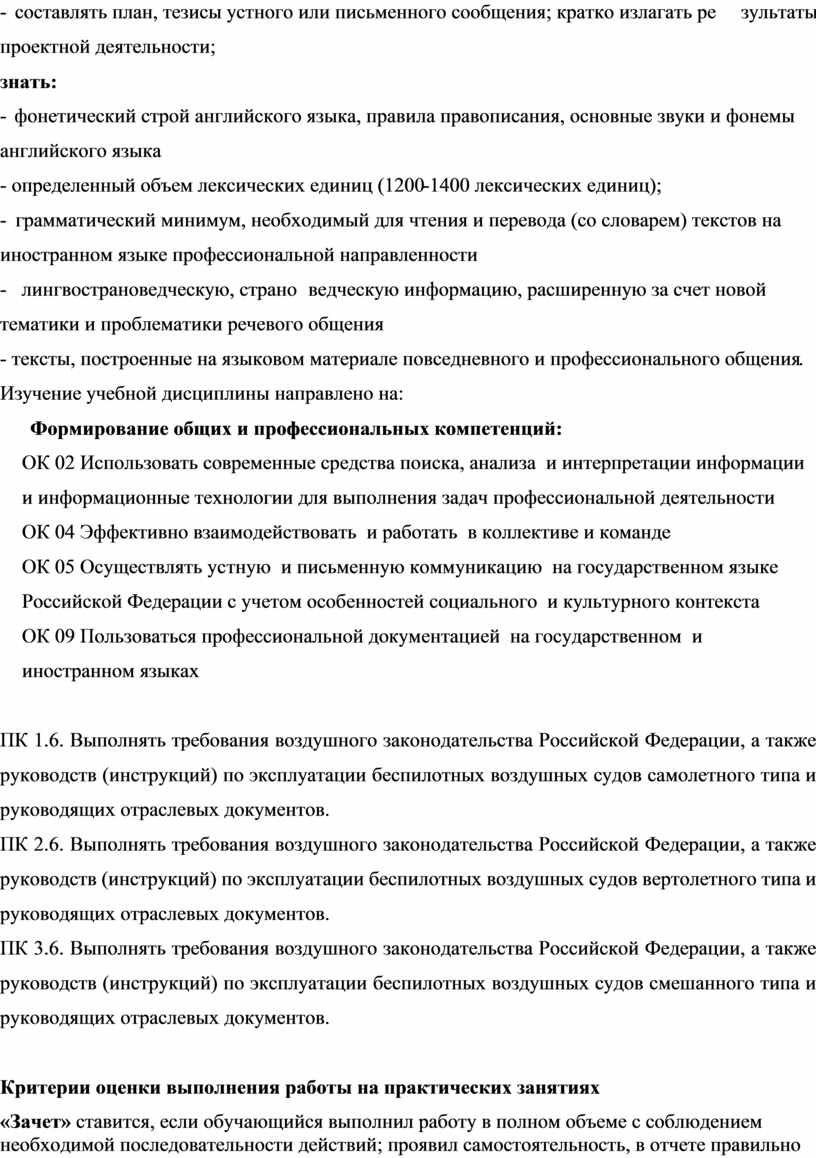
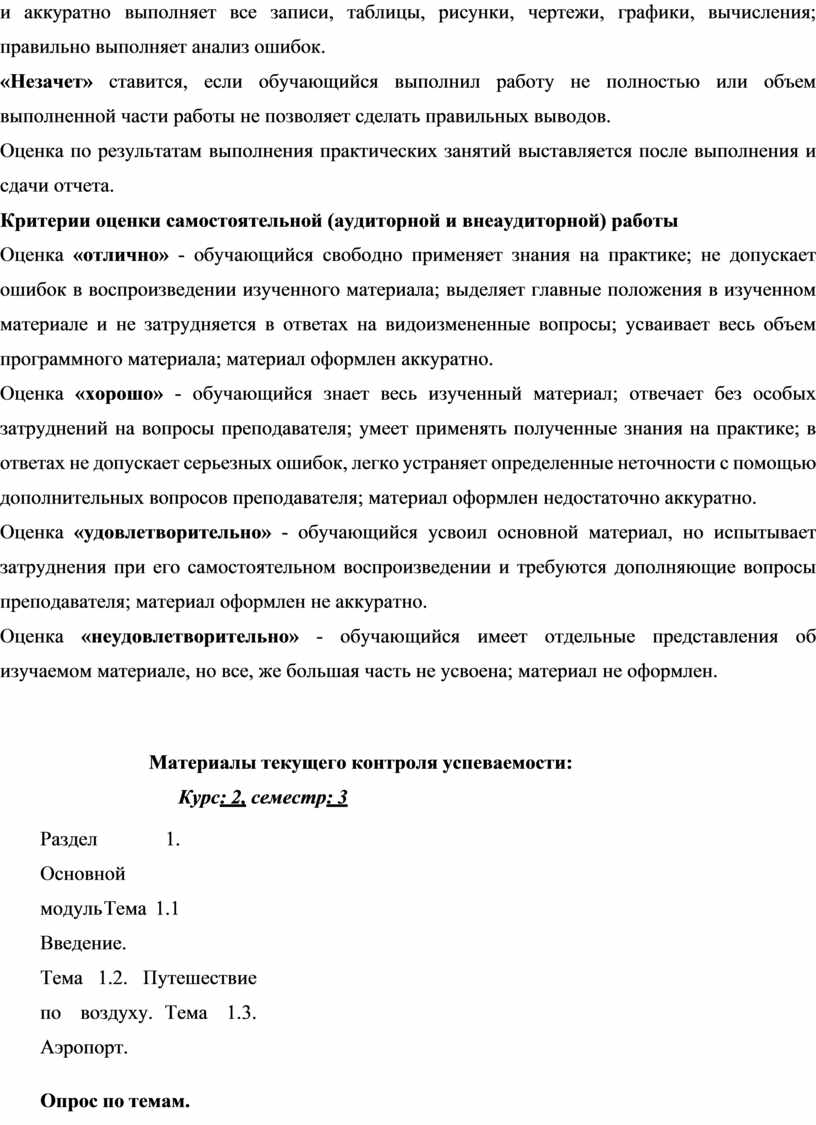
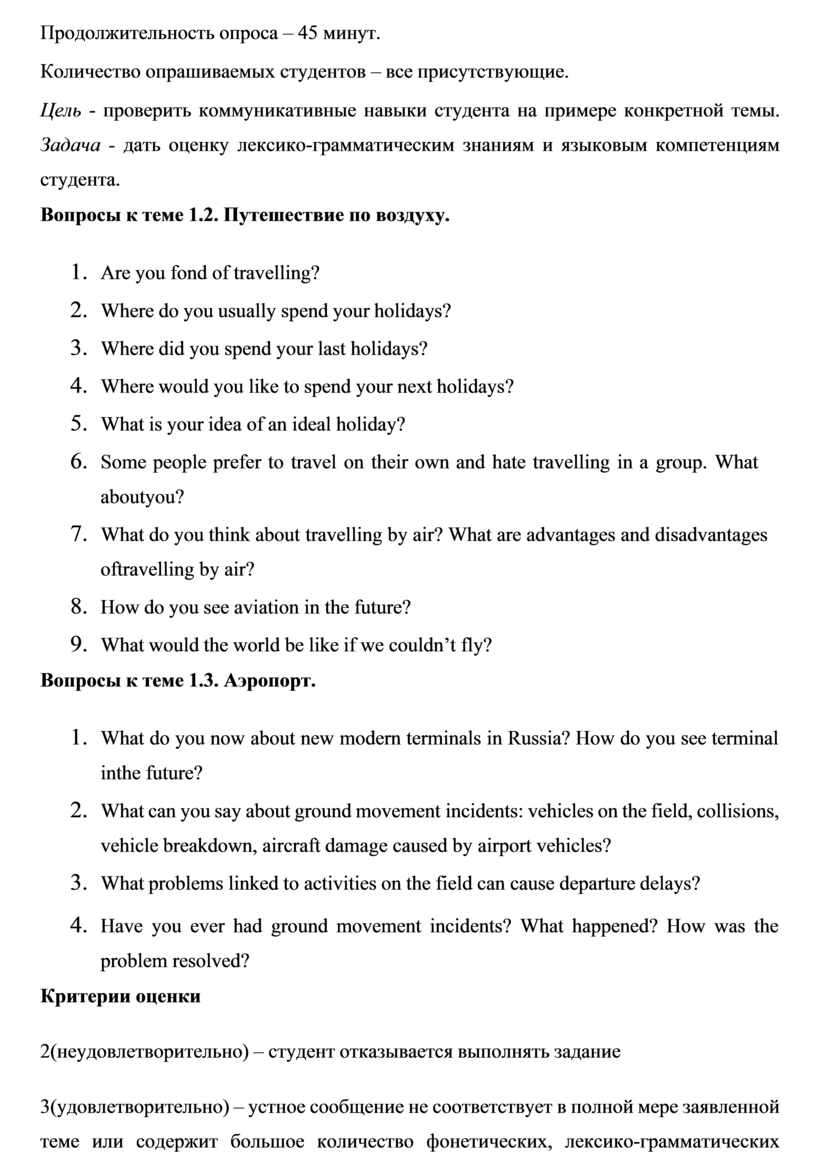
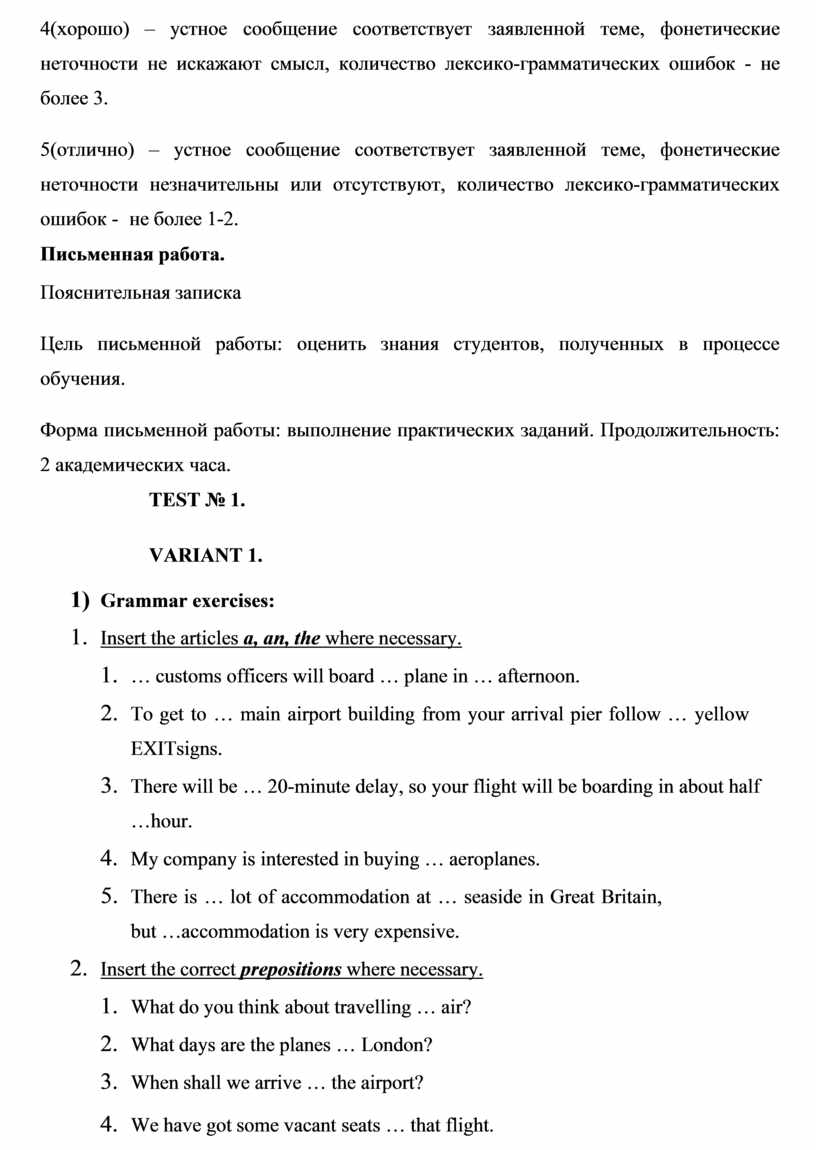
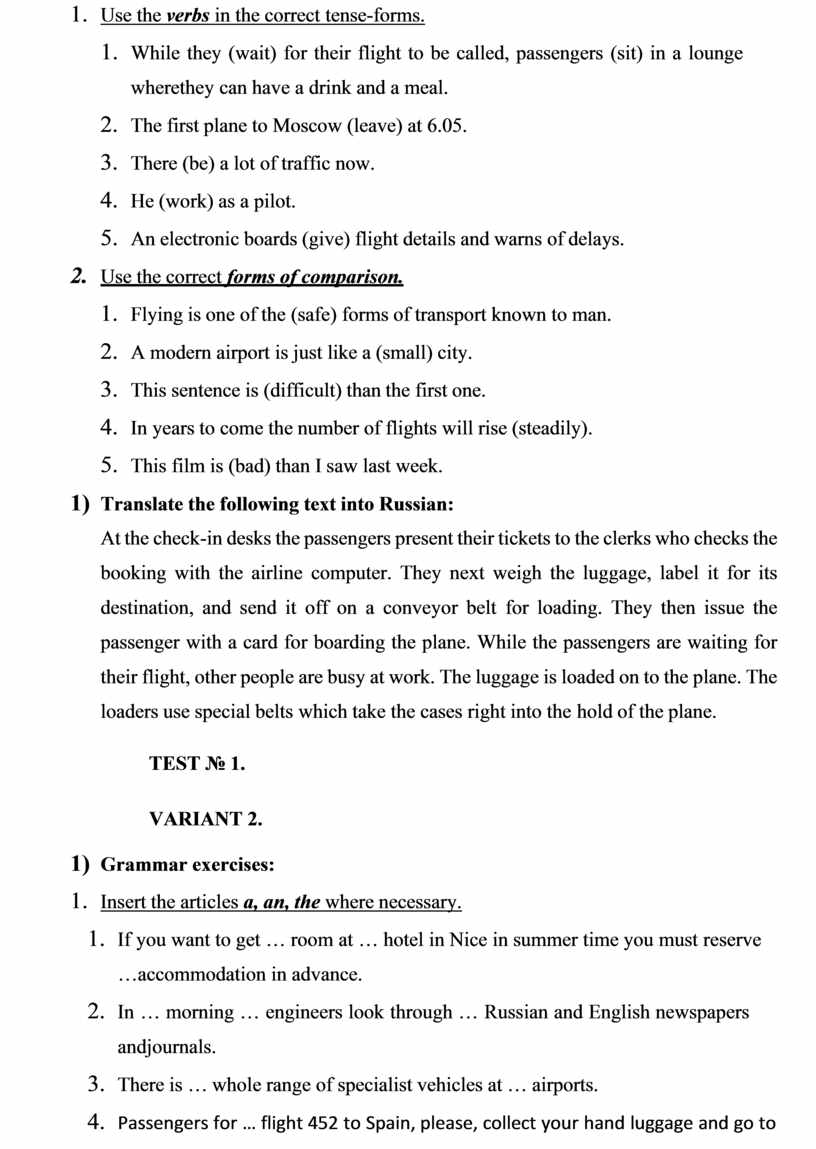



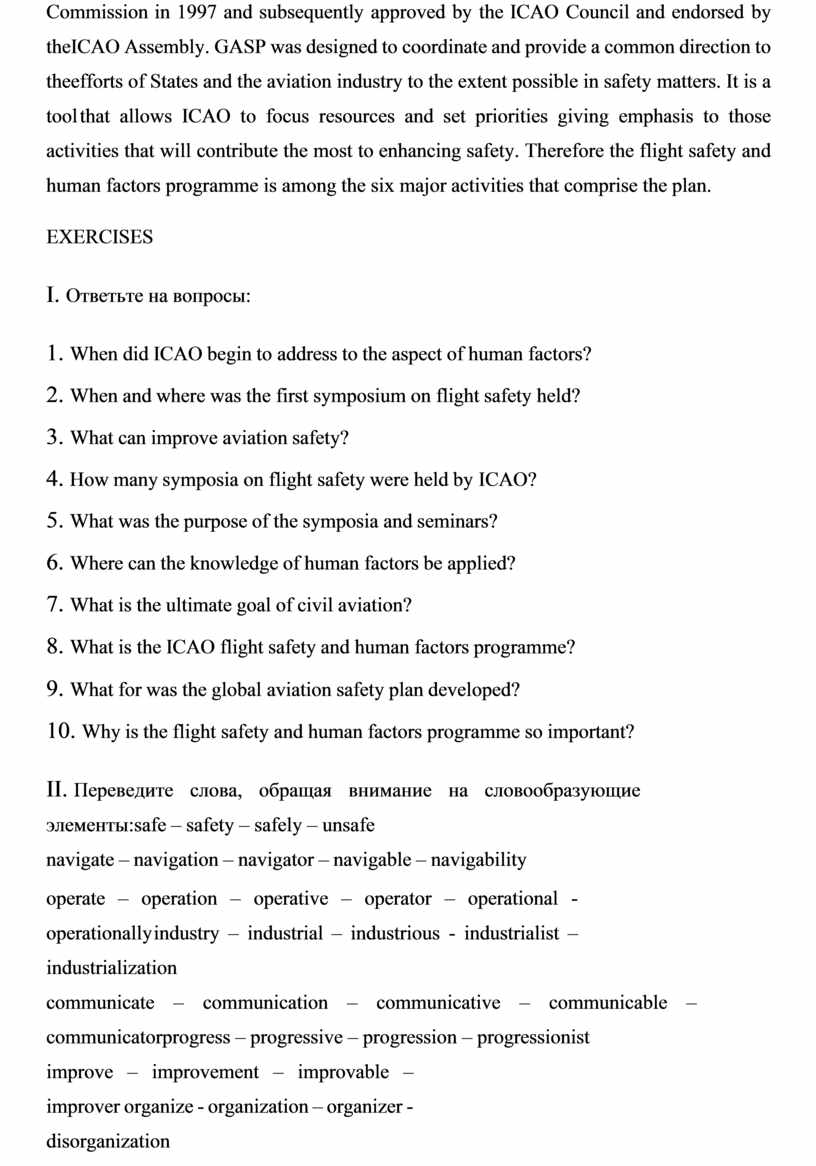
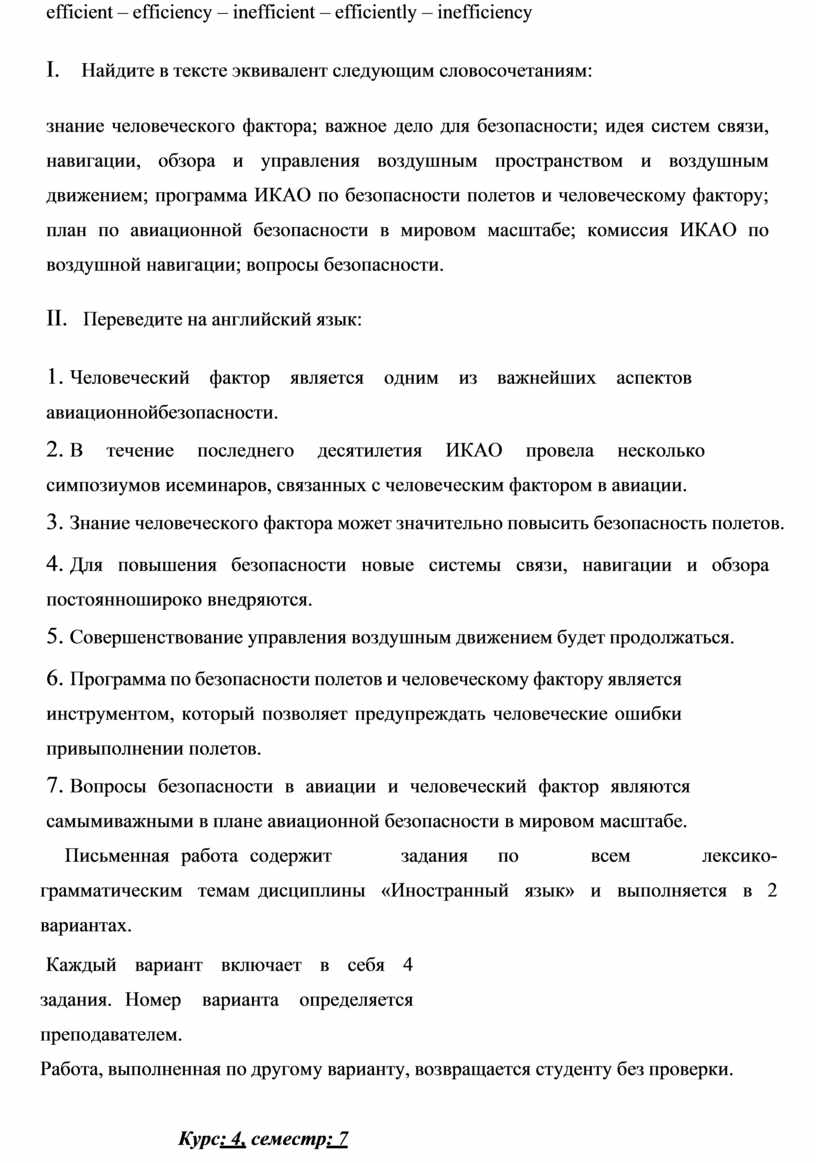


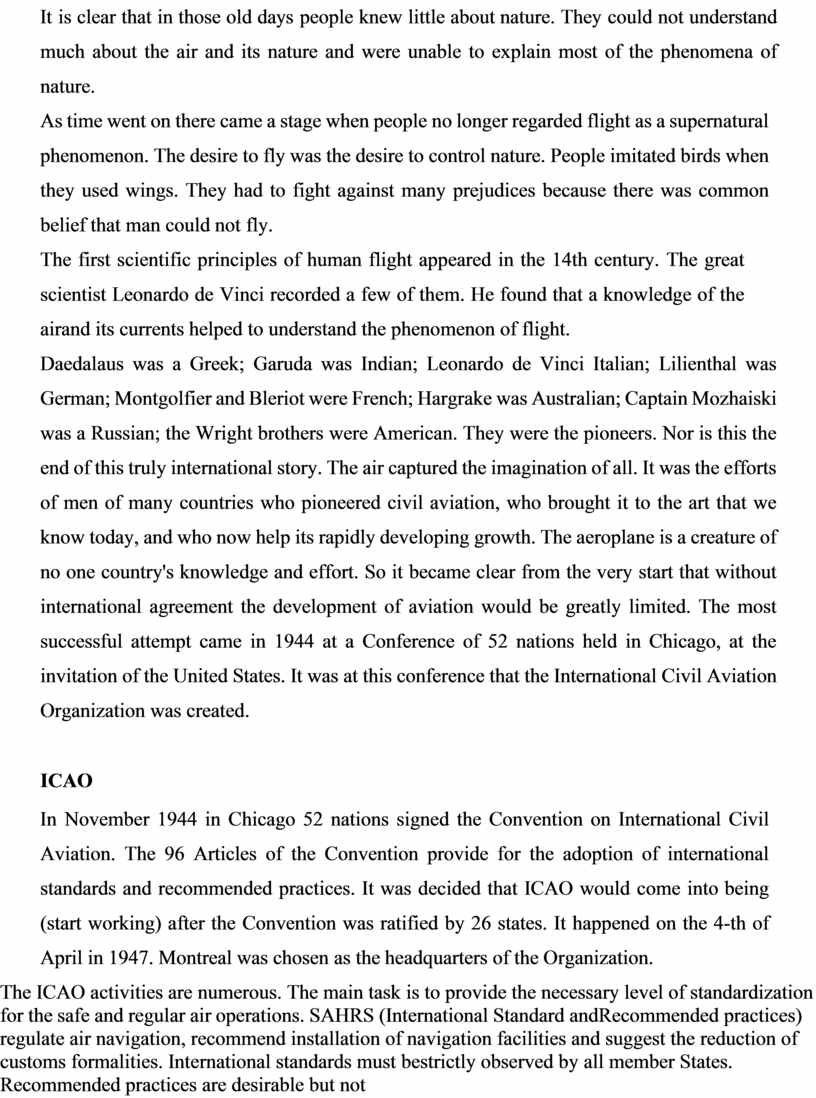
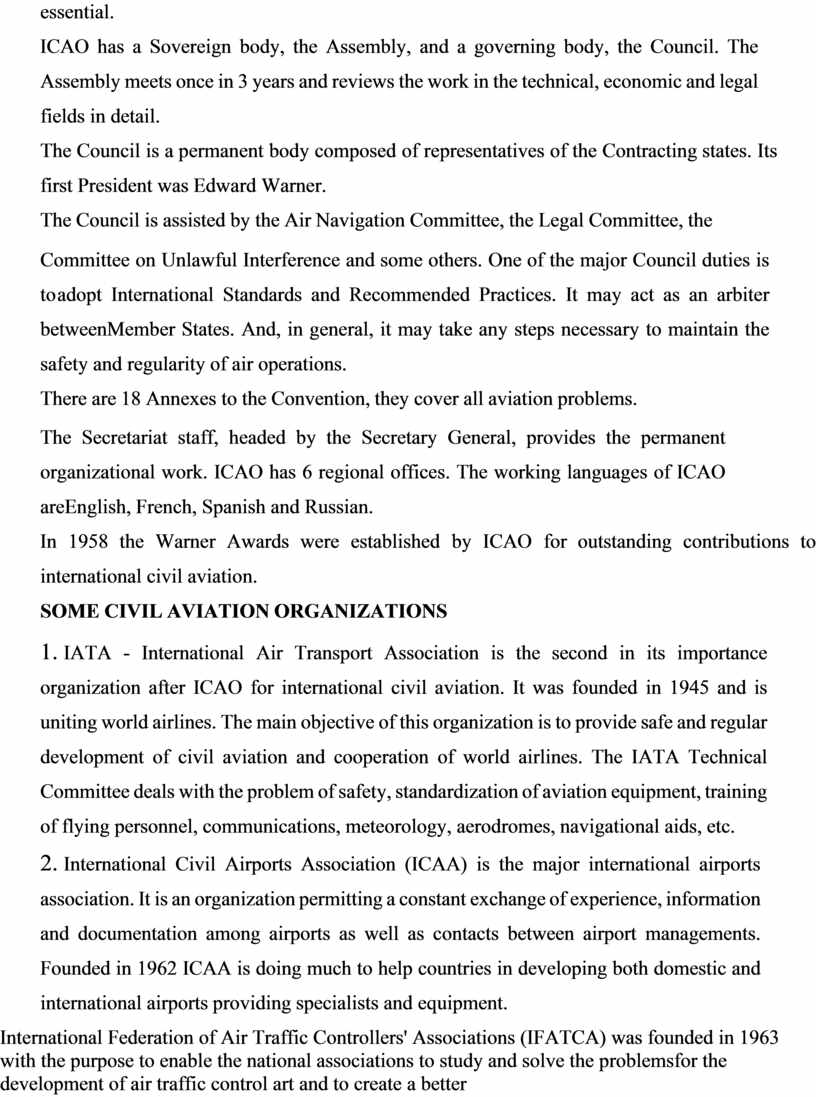



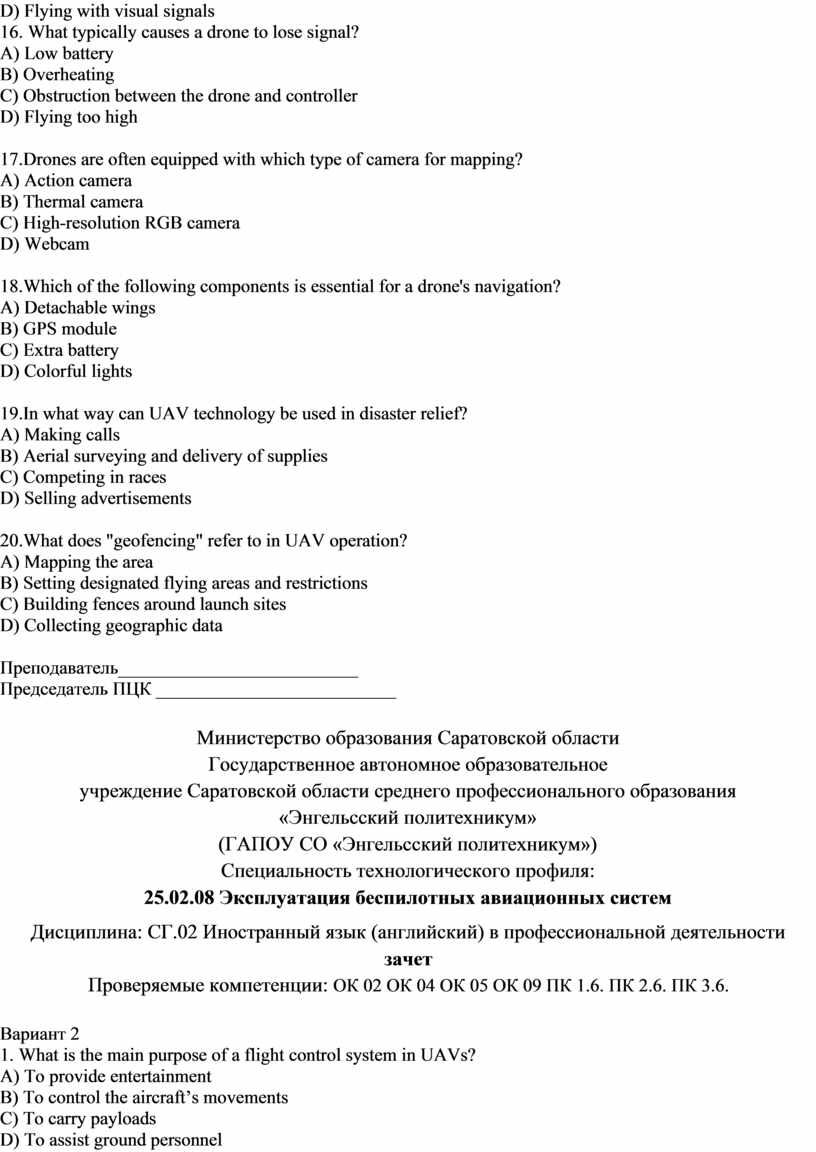
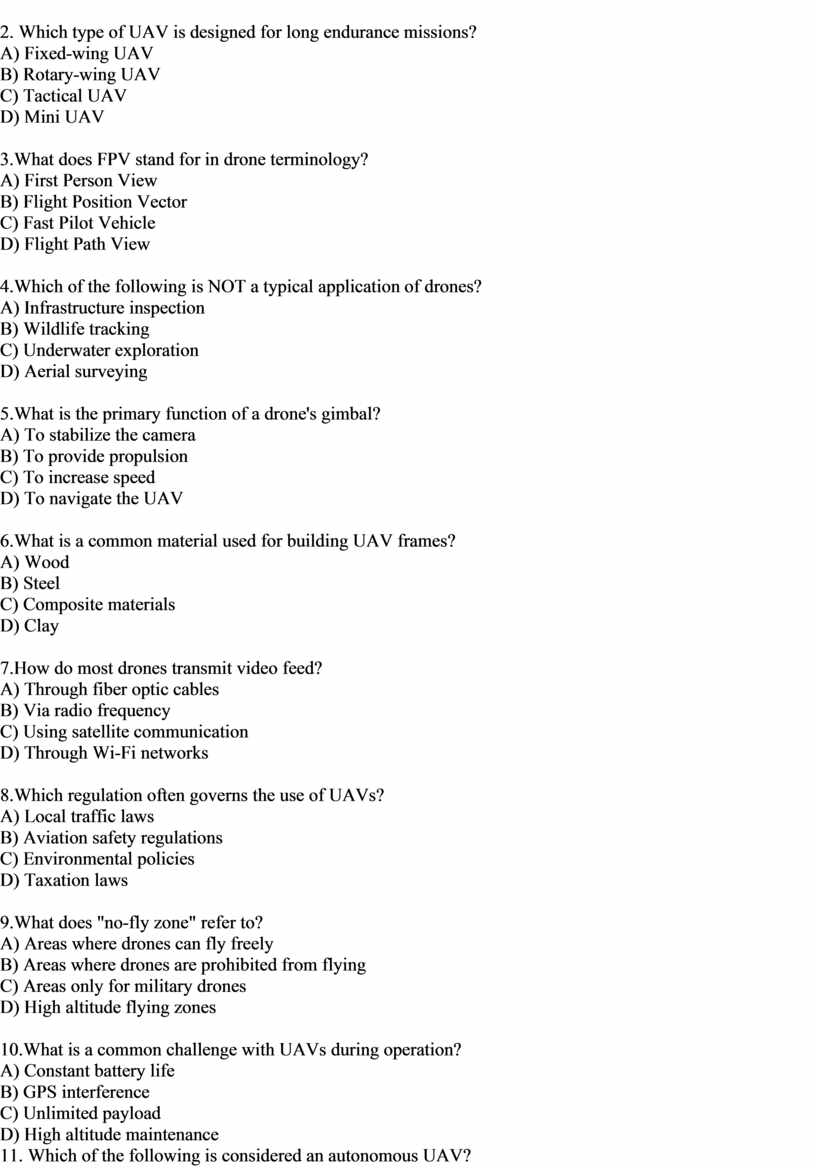


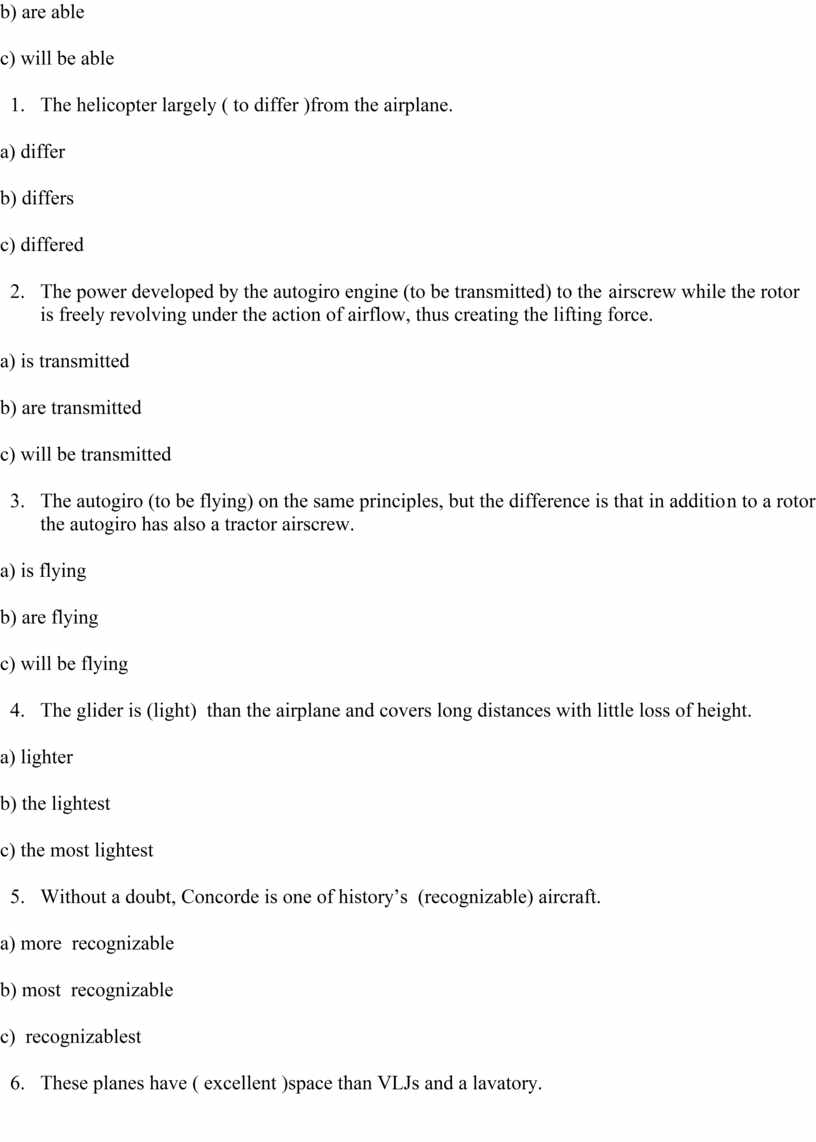
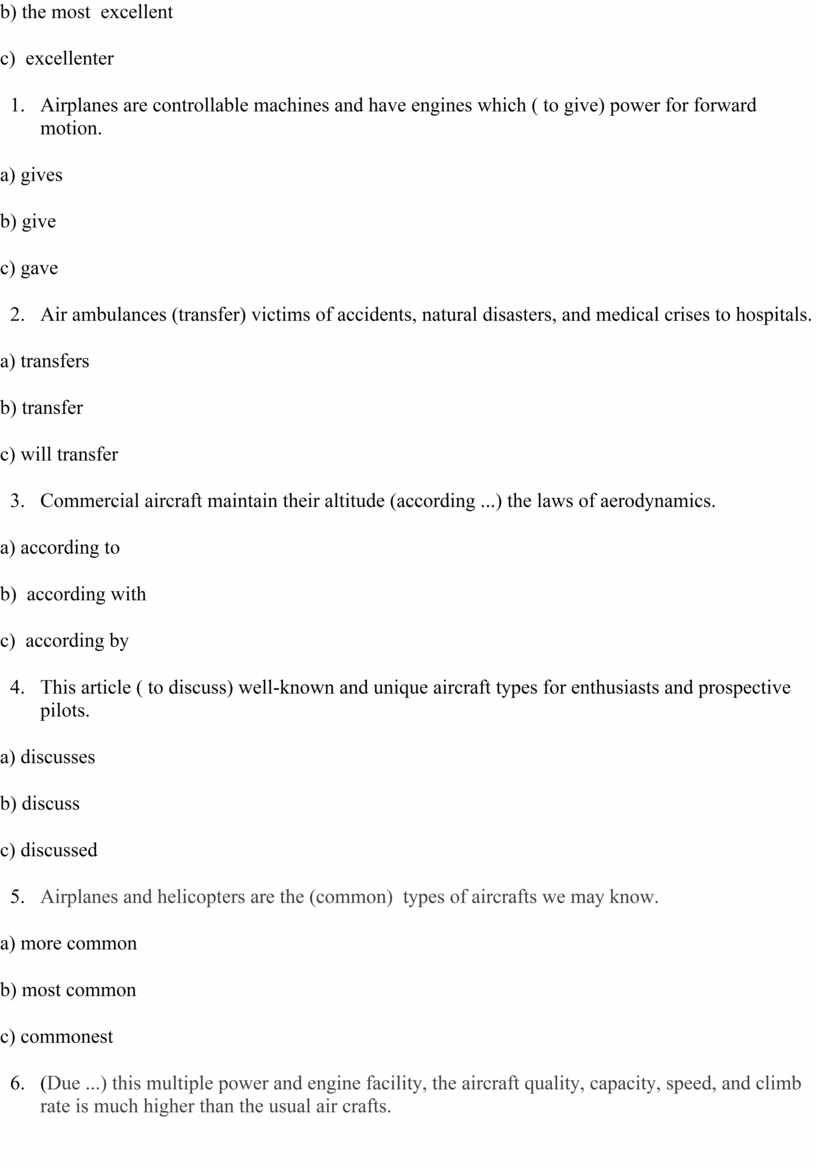
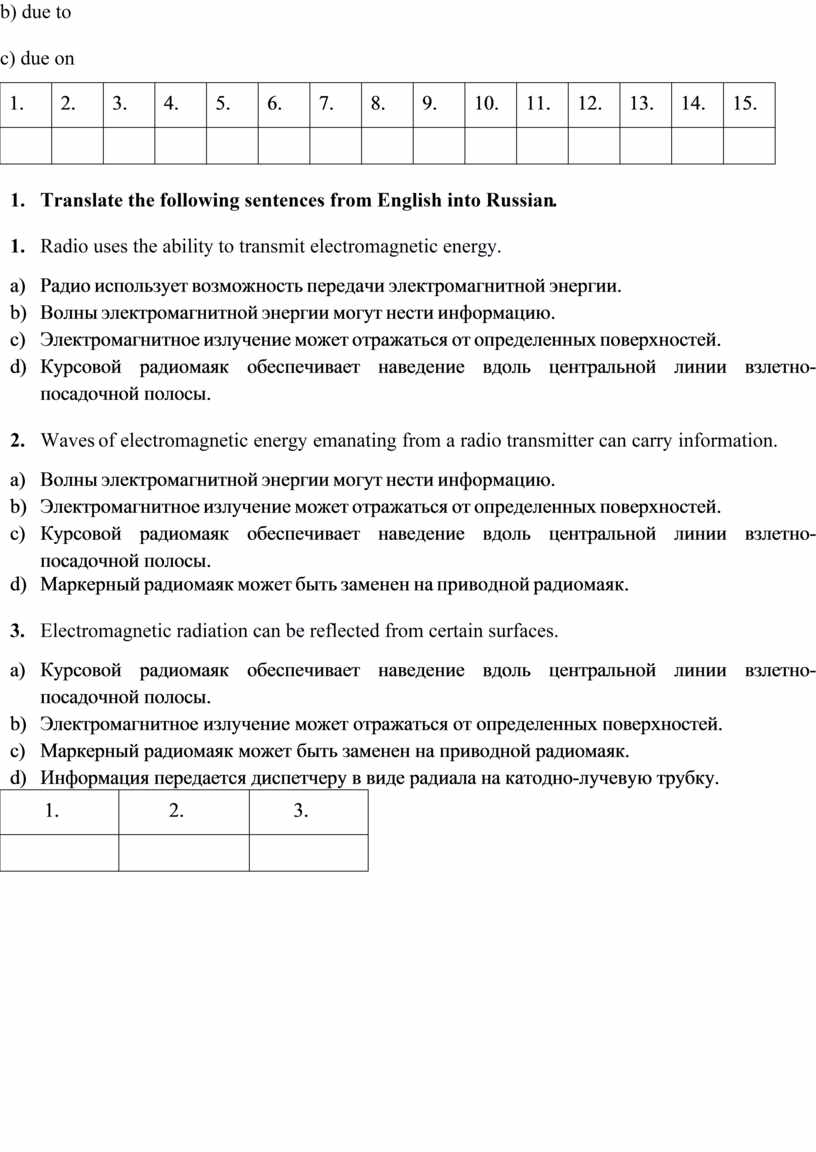
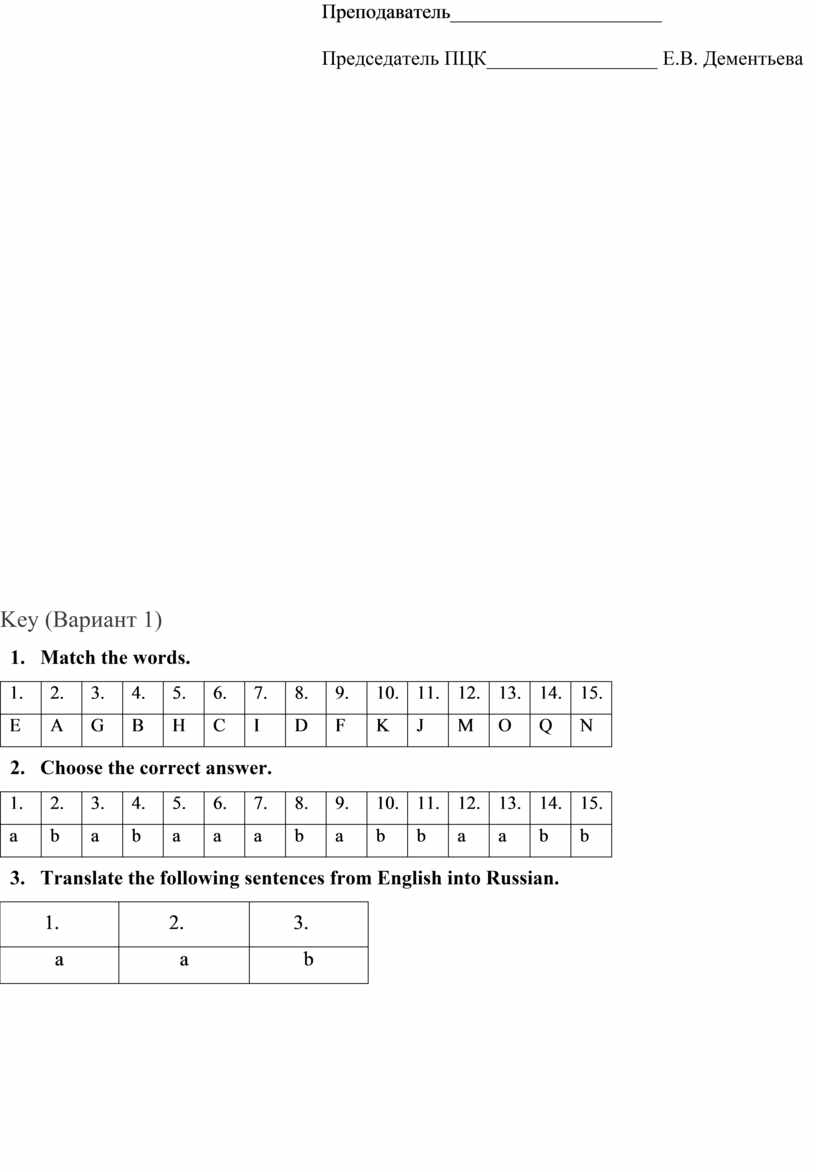
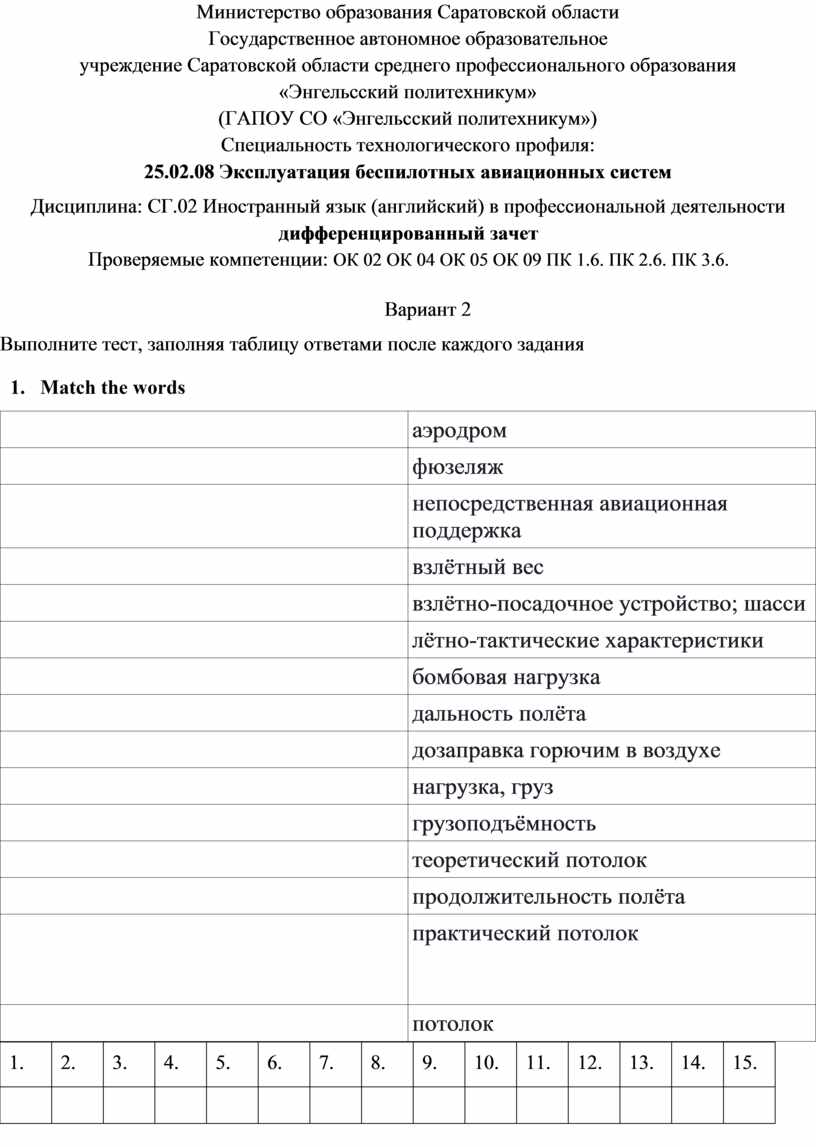
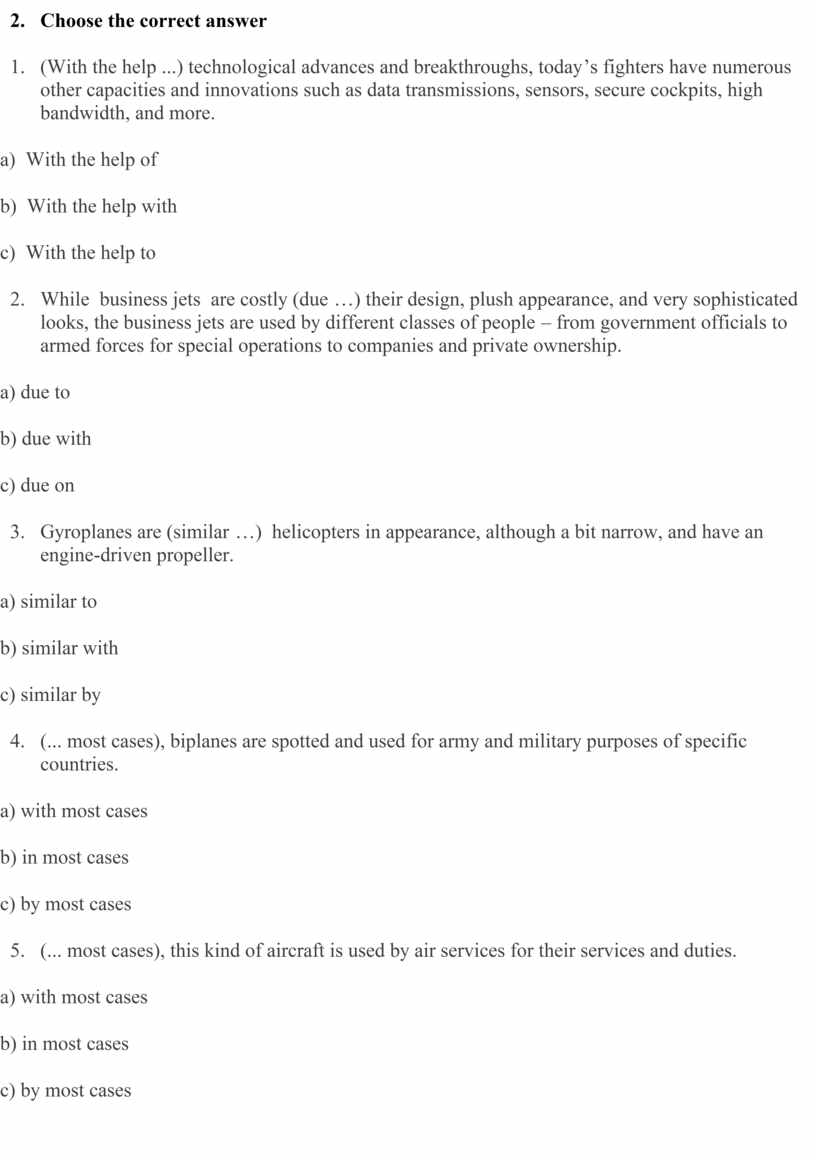
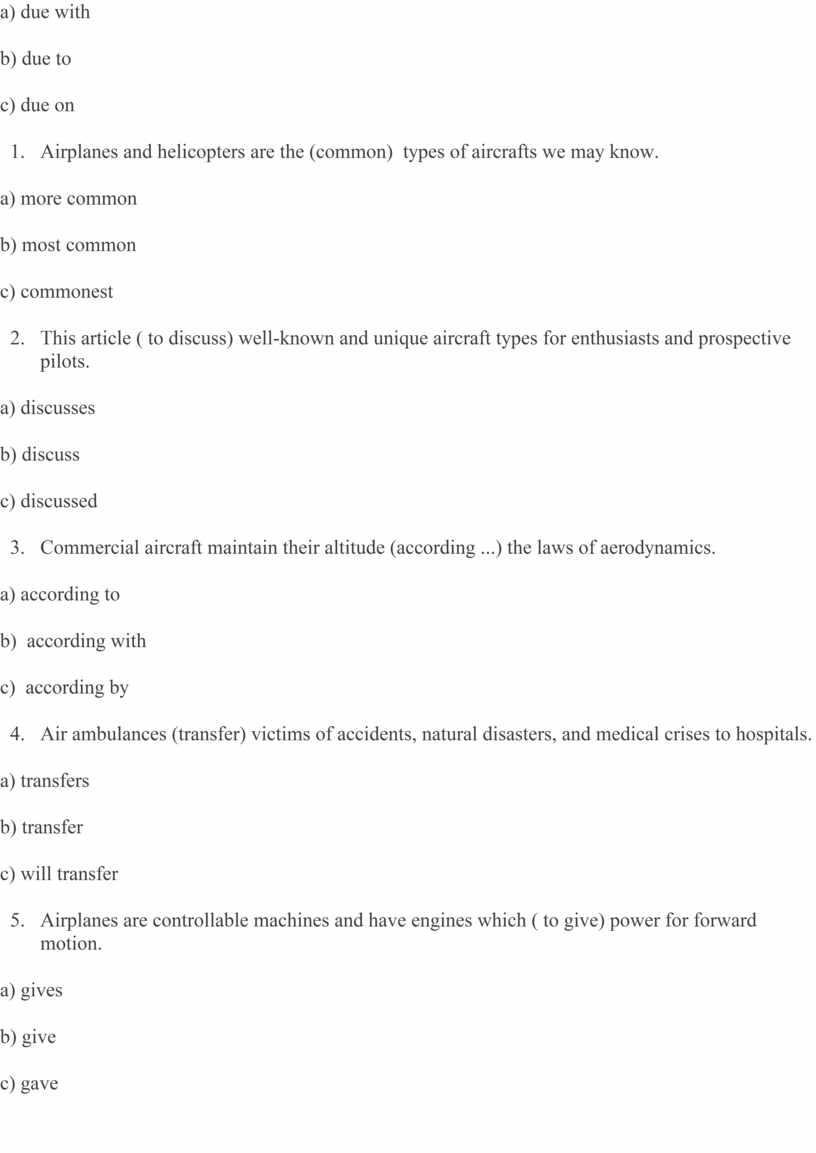
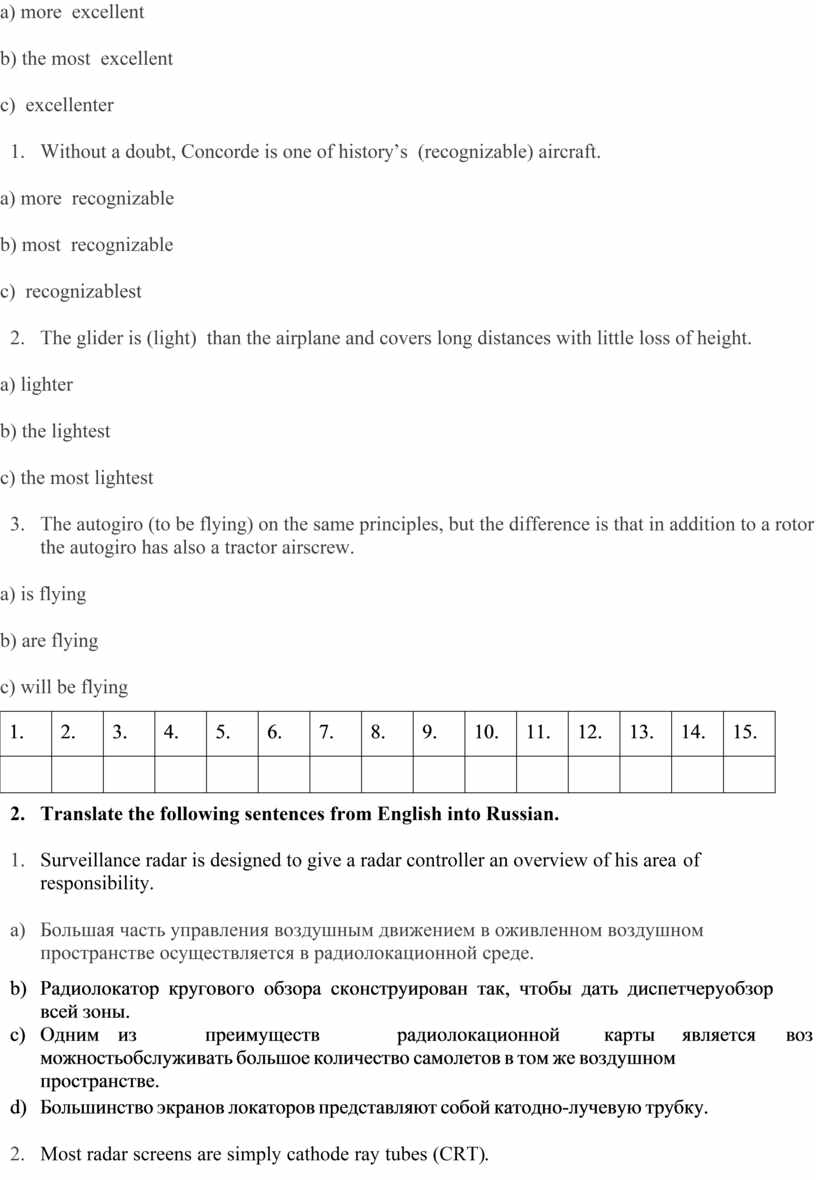
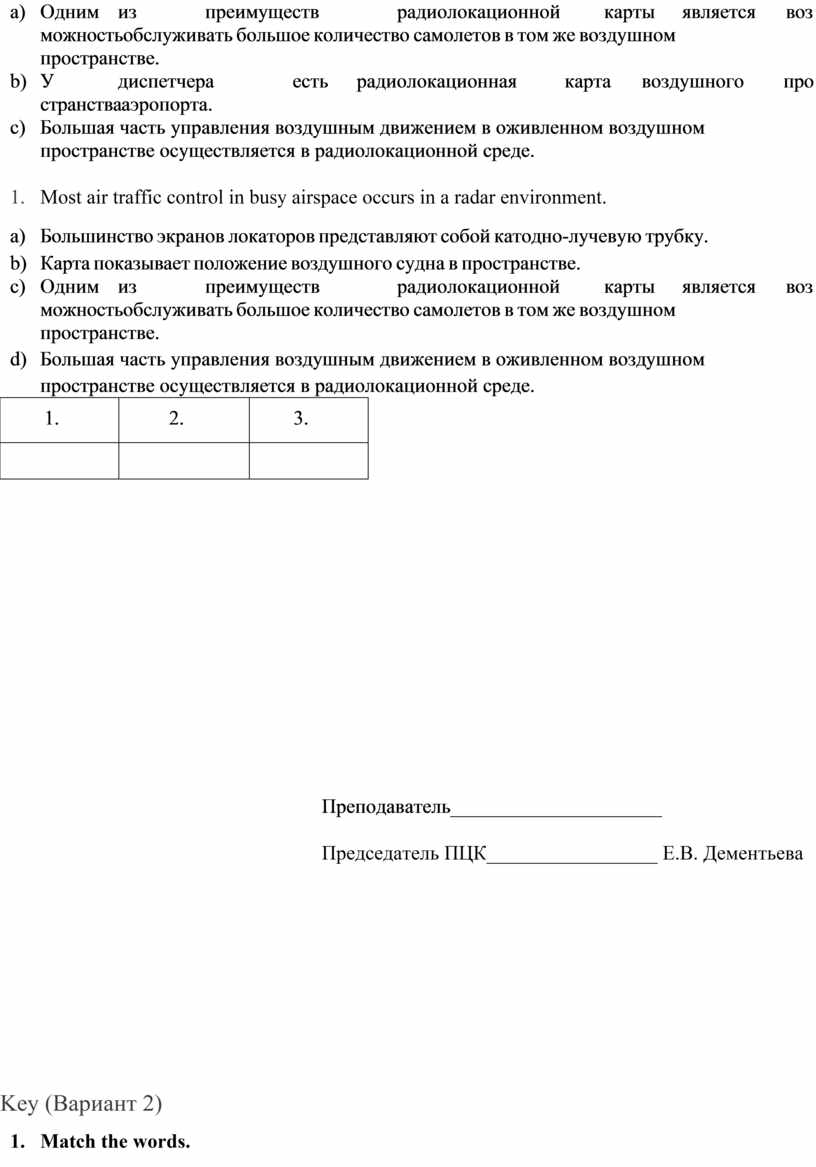
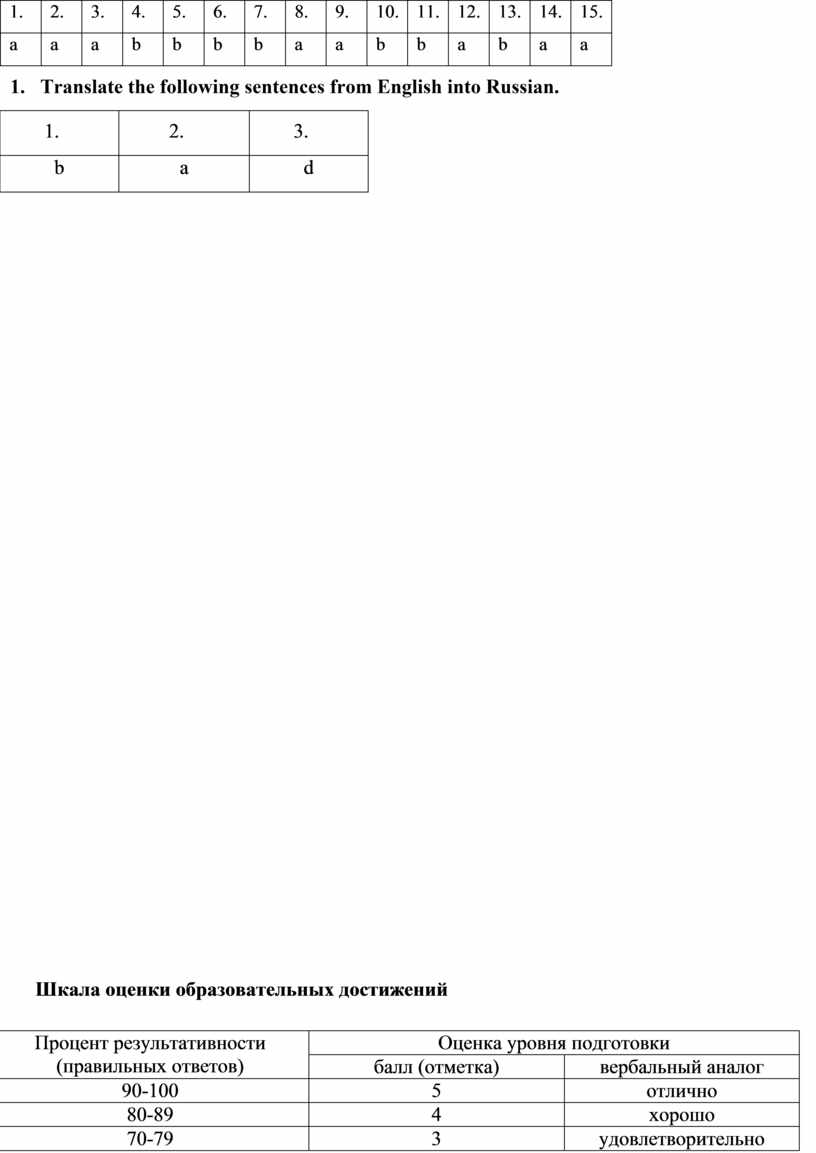
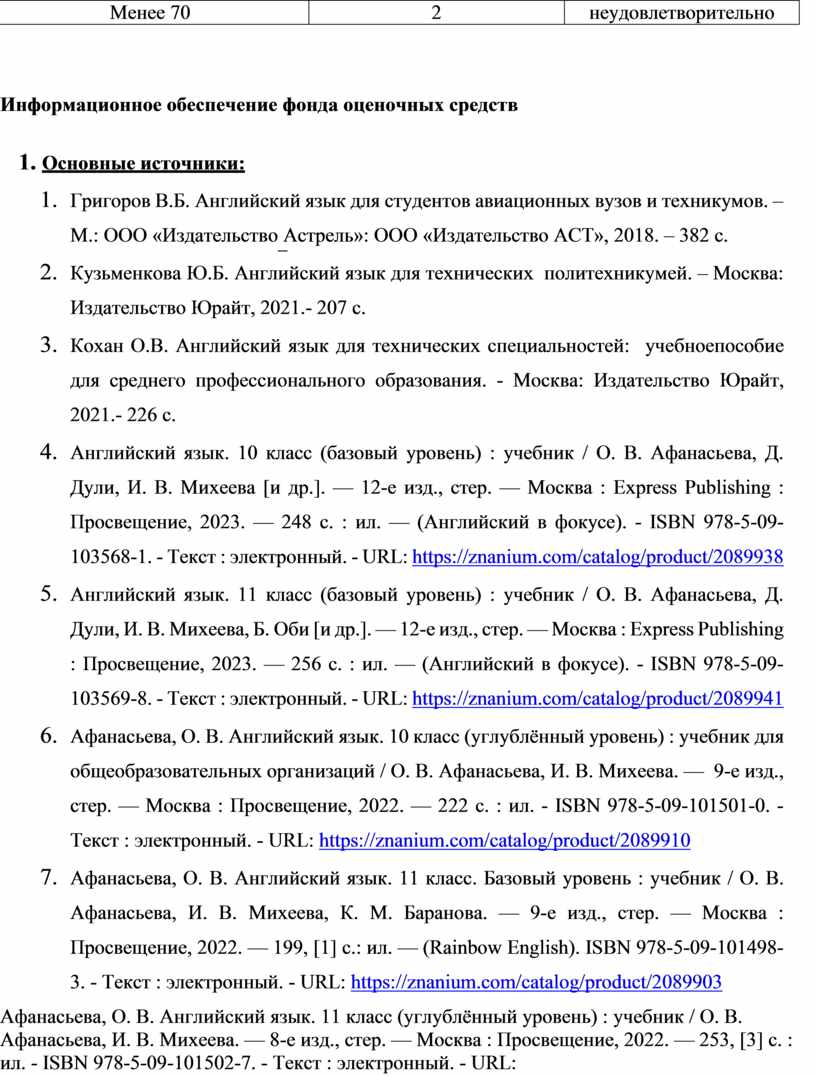
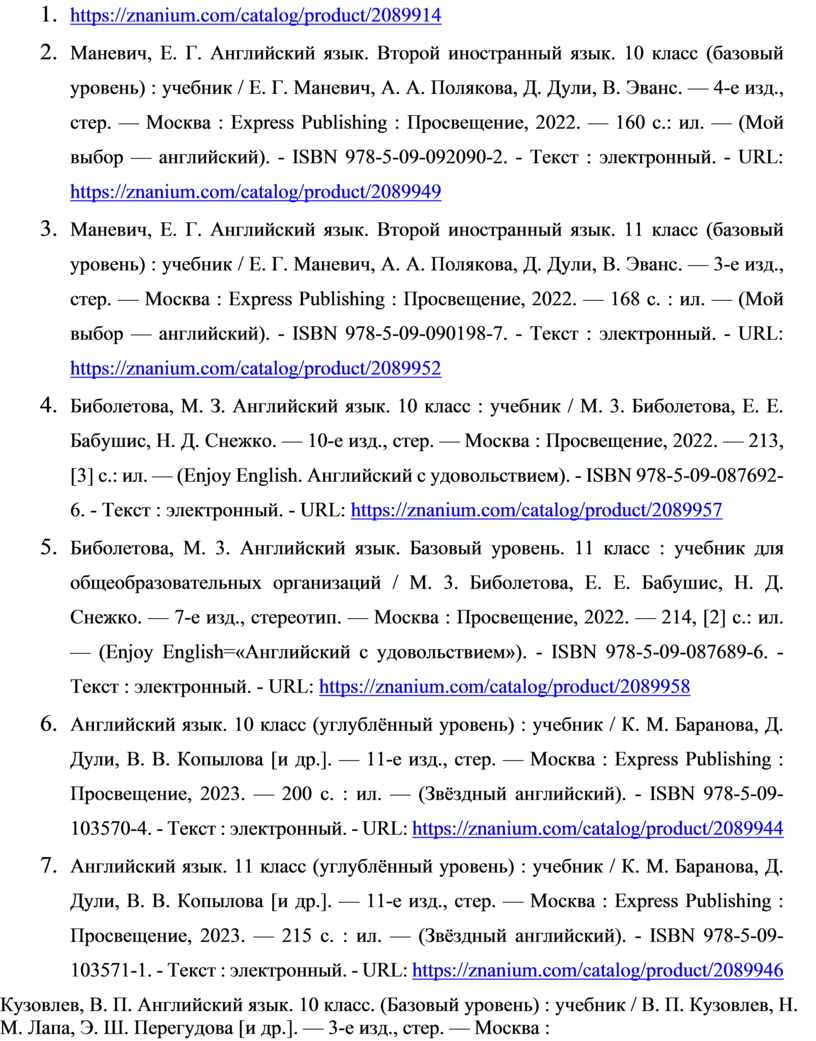
![Просвещение, 2022. — 271, [1] с](https://fs.znanio.ru/d5af0e/bd/85/fbc9d1e669922909de98298ef48de8a360.jpg)
Материалы на данной страницы взяты из открытых источников либо размещены пользователем в соответствии с договором-офертой сайта. Вы можете сообщить о нарушении.