Поделиться


 инплан.docx
ИН.
ПЛАН
2 курс 1семестр
Топик № 1: Описание людей
Словарный запас
1. Appearance (внешность)
- Tall (высокий)
- Short (низкий)
- Slim (стройный)
- Overweight (с избыточным весом)
- Hair (волосы)
- Long (длинные)
- Short (короткие)
- Curly (кудрявые)
- Straight (прямые)
- Eye color (цвет глаз)
- Blue (голубой)
- Brown (коричневый)
- Green (зеленый)
2. Personality (характер)
- Friendly (дружелюбный)
- Shy (стеснительный)
- Funny (смешной)
- Serious (серьезный)
- Hardworking (трудолюбивый)
3. Clothing (одежда)
- T-shirt (футболка)
- Jeans (джинсы)
- Dress (платье)
- Suit (костюм)
Описание человека:
My best friend is Anna. She is tall and slim with long, straight brown hair and green eyes. Anna is very friendly and always makes people laugh. She has a great sense of humor and loves to tell funny stories.
In her free time, she enjoys reading books and going for walks in the park. Anna usually wears casual clothes, like jeans and a colorful t-shirt. Sometimes, she likes to dress up in a beautiful dress for special occasions.
I admire Anna not only for her appearance but also for her kind heart and hardworking nature. She always helps others and is there when someone needs support.
Задания
1. Заполните пропуски в предложениях, используя слова из словарного запаса:
- My brother is very ___; he always helps me with my homework.
- She has ___ hair and ___ eyes.
- He prefers to wear ___ clothes like t-shirts and shorts.
2. Ответьте на вопросы по тексту:
- What is Anna's appearance?
- What does Anna like to do in her free time?
- How would you describe Anna’s personality?
3. Напишите небольшое описание своего друга или подруги (80-100 слов):
- Укажите их внешность.
- Опишите их характер.
- Расскажите о том, что они любят делать в свободное время.
4. Составьте список из 5 прилагательных, которые вы бы использовали для описания себя, и объясните, почему вы выбрали именно их.
Топик № 2: Межличностные отношения
Словарный запас
- Friendship (дружба)
- Relationship (отношение)
- Trust (доверие)
- Communication (общение)
- Support (поддержка)
- Conflict (конфликт)
- Honest (честный)
- Loyal (верный)
- Understanding (понимающий)
- Caring (заботливый)
- Respectful (уважительный)
- To listen (слушать)
- To share (делиться)
- To forgive (прощать)
- To argue (спорить)
- To help (помогать)
Межличностные отношения:
Interpersonal relationships are an essential part of our lives. They can be with friends, family, or colleagues. A strong friendship is built on trust and communication. Friends should be honest and loyal to each other.
Good relationships require understanding and support. When conflicts arise, it is important to listen to each other and try to resolve issues calmly. Forgiveness is also crucial in maintaining healthy relationships.
In my life, I have a best friend named Mark. He is very caring and always supports me when I face challenges. We share our thoughts and feelings openly, which helps us understand each other better. Although we sometimes argue, we always find a way to forgive and move on.
Задания
1. Заполните пропуски в предложениях, используя слова из словарного запаса:
- A good friend is someone who is ___ and always ready to help.
- Trust is the foundation of any strong ___.
- It’s important to communicate openly to avoid ___.
2. Ответьте на вопросы по тексту:
- What are the key elements of a strong friendship?
- How does the author describe their relationship with Mark?
- Why is forgiveness important in interpersonal relationships?
3. Напишите небольшое эссе (80-100 слов) о том, что для вас значит дружба. Укажите:
- Что вы цените в своих друзьях?
- Как вы поддерживаете друг друга?
- Как вы решаете конфликты?
4. Составьте список из 5 качеств, которые вы ищете в друзьях, и объясните, почему они важны для вас.
Топик № 3: Повседневная жизнь
Словарный запас
- Routine (рутина)
- Chores (домашние дела)
- Leisure (досуг)
- Meal (прием пищи)
- Commute (поездка на работу/учебу)
- Hobbies (увлечения)
- Busy (занятый)
- Relaxing (расслабляющий)
- Productive (продуктивный)
- Enjoyable (приятный)
- Simple (простой)
- To wake up (просыпаться)
- To cook (готовить)
- To clean (убирать)
- To exercise (заниматься спортом)
- To socialize (общаться)
Повседневная жизнь:
Everyday life can be both busy and enjoyable. My typical day starts with waking up early in the morning. After I get out of bed, I usually make breakfast, which is often a simple meal like toast and eggs. Once I finish eating, I clean up the kitchen and get ready for work.
I commute to my job, which takes about 30 minutes. During my commute, I like to listen to music or podcasts. My workday is usually busy, but I try to take short breaks to stay productive.
After work, I enjoy some leisure time. Sometimes I go to the gym to exercise, while other times I prefer to relax at home with a good book or a movie. On weekends, I like to spend time with friends, whether it's going out for dinner or just hanging out at home.
Overall, I believe that balancing work and leisure is important for a happy life.
Задания
1. Заполните пропуски в предложениях, используя слова из словарного запаса:
- Every day, I have a morning ___ that helps me start my day.
- After work, I like to spend my ___ time relaxing or doing hobbies.
- My daily ___ involves cooking, cleaning, and exercising.
2. Ответьте на вопросы по тексту:
- What does the author typically have for breakfast?
- How does the author commute to work?
- What activities does the author enjoy after work?
3. Напишите небольшое эссе (80-100 слов) о вашей повседневной жизни. Укажите:
- Как начинается ваш день?
- Какие домашние дела вы выполняете?
- Как вы проводите свободное время?
4. Составьте список из 5 своих любимых хобби и объясните, почему они вам нравятся.
Топик № 4: Здоровый образ жизни
Словарный запас
- Healthy (здоровый)
- Lifestyle (образ жизни)
- Nutrition (питание)
- Exercise (физические упражнения)
- Wellness (благополучие)
- Balance (баланс)
- Nutritious (питательный)
- Active (активный)
- Fresh (свежий)
- Hydrated (гидратированный)
- Mindful (осознанный)
- To eat (есть)
- To exercise (заниматься спортом)
- To sleep (спать)
- To meditate (медитировать)
- To hydrate (гидратироваться)
Здоровый образ жизни:
Maintaining a healthy lifestyle is essential for overall well-being. A balanced diet plays a crucial role in nutrition. Eating a variety of nutritious foods, such as fruits, vegetables, whole grains, and lean proteins, helps our bodies function properly.
In addition to good nutrition, regular exercise is vital. Engaging in physical activities, such as jogging, swimming, or yoga, not only keeps our bodies fit but also improves our mental health. Aim for at least 30 minutes of exercise most days of the week.
Another important aspect of a healthy lifestyle is getting enough sleep. Quality sleep helps our bodies recover and recharge for the next day. Additionally, practicing mindfulness through meditation can reduce stress and promote emotional well-being.
Lastly, staying hydrated is key. Drinking enough water throughout the day supports bodily functions and keeps us energized. By focusing on these elements—nutrition, exercise, sleep, mindfulness, and hydration—we can lead healthier and happier lives.
Задания
1. Заполните пропуски в предложениях, используя слова из словарного запаса:
- A ___ diet includes plenty of fruits and vegetables.
- Regular ___ is important for maintaining physical fitness.
- It’s essential to stay ___ by drinking enough water.
2. Ответьте на вопросы по тексту:
- Why is nutrition important for our health?
- What types of physical activities are mentioned in the text?
- How does mindfulness contribute to a healthy lifestyle?
3. Напишите небольшое эссе (80-100 слов) о вашем понимании здорового образа жизни. Укажите:
- Какие продукты вы считаете полезными?
- Как вы поддерживаете физическую активность?
- Что вы делаете для улучшения своего психического состояния?
4. Составьте список из 5 привычек, которые вы хотели бы развить для улучшения своего здоровья, и объясните, почему они важны для вас.
Топик № 5: Инфраструктура
Словарный запас
- Infrastructure (инфраструктура)
- Transportation (транспорт)
- Utilities (коммунальные услуги)
- Development (развитие)
- Urban (городской)
- Connectivity (связанность)
- Modern (современный)
- Efficient (эффективный)
- Sustainable (устойчивый)
- Reliable (надежный)
- Accessible (доступный)
- To build (строить)
- To maintain (поддерживать)
- To invest (инвестировать)
- To improve (улучшать)
- To provide (обеспечивать)
Инфраструктура:
Infrastructure is the backbone of any society, providing the necessary framework for economic growth and development. It includes essential services such as transportation, utilities, and communication systems. A well-developed infrastructure enhances the quality of life for citizens and supports businesses.
Transportation infrastructure, including roads, bridges, and public transit systems, facilitates the movement of people and goods. Efficient transportation networks reduce travel time and costs, making cities more accessible.
Utilities, such as water supply, electricity, and waste management, are crucial for daily living. Modern and sustainable utility systems ensure that communities have reliable access to essential services.
Investment in infrastructure is vital for urban development. Governments and private sectors must collaborate to improve existing structures and build new ones that meet the needs of growing populations. By focusing on sustainable practices, we can create resilient infrastructure that supports future generations.
In conclusion, a strong infrastructure is essential for fostering economic growth, improving living standards, and ensuring a sustainable future.
Задания
1. Заполните пропуски в предложениях, используя слова из словарного запаса:
- A good transportation system improves ___ and reduces congestion.
- Governments need to ___ in infrastructure to support economic growth.
- Sustainable infrastructure helps to protect the ___.
2. Ответьте на вопросы по тексту:
- What are the main components of infrastructure mentioned in the text?
- How does transportation infrastructure benefit cities?
- Why is investment in infrastructure important for urban development?
3. Напишите небольшое эссе (80-100 слов) о значении инфраструктуры в вашем городе. Укажите:
- Какие аспекты инфраструктуры наиболее развиты?
- Есть ли проблемы с инфраструктурой в вашем городе? Если да, то какие?
- Как вы считаете, что можно улучшить в инфраструктуре вашего города?
4. Составьте список из 5 преимуществ хорошо развитой инфраструктуры и объясните, почему они важны для общества.
Топик: Простые времена (Simple Tenses)
Простые времена в английском языке включают Present Simple, Past Simple и Future Simple. Эти времена используются для описания действий, которые происходят регулярно, происходили в прошлом или будут происходить в будущем.
1. Present Simple (Настоящее простое время)
Формула:
- Утвердительные предложения: Subject + base form of the verb (He/She/It + s/es)
- Отрицательные предложения: Subject + do/does not + base form of the verb
- Вопросительные предложения: Do/Does + subject + base form of the verb?
Примеры:
- I play football every weekend.
- She does not like coffee.
- Do you read books?
2. Past Simple (Прошедшее простое время)
Формула:
- Утвердительные предложения: Subject + past form of the verb
- Отрицательные предложения: Subject + did not + base form of the verb
- Вопросительные предложения: Did + subject + base form of the verb?
Примеры:
- I visited my grandparents last week.
- He did not go to the party.
- Did you watch the movie?
3. Future Simple (Будущее простое время)
Формула:
- Утвердительные предложения: Subject + will + base form of the verb
- Отрицательные предложения: Subject + will not + base form of the verb
- Вопросительные предложения: Will + subject + base form of the verb?
Примеры:
- I will travel to London next summer.
- She will not attend the meeting.
- Will you help me with my homework?
Задание 1: Заполните пропуски
Заполните пропуски правильной формой глагола в простом времени.
1. She usually ___ (go) to the gym in the morning. (Present Simple)
2. They ___ (not/like) spicy food when they were kids. (Past Simple)
3. I ___ (visit) my friend next weekend. (Future Simple)
Задание 2: Преобразуйте предложения
Преобразуйте следующие утвердительные предложения в отрицательные и вопросительные.
1. He plays tennis every Saturday.
- Отрицательное: ____________________________________
- Вопросительное: ____________________________________
2. They watched a movie last night.
- Отрицательное: ____________________________________
- Вопросительное: ____________________________________
3. She will call you tomorrow.
- Отрицательное: ____________________________________
- Вопросительное: ____________________________________
Задание 3: Напишите свои предложения
Напишите по одному предложению для каждого из трех времен, используя следующие темы:
1. Present Simple: Ваши ежедневные привычки.
2. Past Simple: Что вы делали на выходных.
3. Future Simple:*Ваши планы на следующую неделю.
Задание 4: Найдите ошибки
В каждом из предложений найдите и исправьте ошибку.
1. He go to school every day.
2. Did you saw the new exhibit at the museum?
3. I will not went to the party next week.
2 курс 2семестр
Топик № 6: Досуг
Словарный запас
- Leisure (досуг)
- Hobby (хобби)
- Recreation (рекреация)
- Entertainment (развлечение)
- Activity (активность)
- Free time (свободное время)
- Enjoyable (приятный)
- Relaxing (расслабляющий)
- Engaging (увлекательный)
- Creative (творческий)
- Social (социальный)
- To relax (расслабляться)
- To enjoy (наслаждаться)
- To participate (участвовать)
- To explore (исследовать)
- To create (создавать)
Досуг:
Leisure time is an essential part of our lives, providing a break from work and daily responsibilities. Engaging in leisure activities can help reduce stress, improve mental health, and enhance overall well-being.
People have various hobbies that they pursue during their free time. Some enjoy creative activities like painting or writing, while others prefer physical activities such as hiking, cycling, or playing sports. Social activities, such as spending time with friends and family, are also important for maintaining relationships and creating lasting memories.
Recreation can take many forms, from watching movies and reading books to exploring new places and trying new foods. The key is to find activities that are enjoyable and fulfilling.
In conclusion, leisure time is vital for personal growth and happiness. It allows us to recharge, explore our interests, and connect with others.
Задания
1. Заполните пропуски в предложениях, используя слова из словарного запаса:
- During my ___, I like to read novels and watch movies.
- Hiking is a great ___ activity that helps me stay fit.
- Many people find painting to be an ___ way to express themselves.
2. Ответьте на вопросы по тексту:
- Why is leisure time important for our lives?
- What are some examples of hobbies mentioned in the text?
- How can social activities benefit individuals?
3. Напишите небольшое эссе (80-100 слов) о вашем любимом хобби. Укажите:
- Какое хобби вы выбрали и почему?
- Как часто вы занимаетесь этим хобби?
- Что вам больше всего нравится в этом занятии?
4. Составьте список из 5 способов провести досуг и объясните, почему они могут быть полезны для здоровья и благополучия.
Топик № 7: Новости и средства массовой информации
Словарный запас
- News (новости)
- Media (средства массовой информации)
- Journalism (журналистика)
- Report (репортаж)
- Article (статья)
- Broadcast (вещание)
- Current (текущий)
- Reliable (надежный)
- Informative (информативный)
- Sensational (сенсационный)
- Objective (объективный)
- To report (сообщать)
- To investigate (расследовать)
- To cover (освещать)
- To publish (публиковать)
- To analyze (анализировать)
Новости и средства массовой информации:
In today’s fast-paced world, news plays a crucial role in keeping people informed about current events and issues. The media, which includes newspapers, television, radio, and online platforms, serves as the primary source of information for many individuals.
Journalism is an essential part of a democratic society. Reliable journalists investigate and report on various topics, from politics and economics to health and entertainment. Good journalism is characterized by its objectivity and commitment to truth, providing audiences with informative content that helps them understand the world around them.
However, the rise of social media has changed the landscape of news consumption. While it allows for instant access to information, it also raises concerns about the accuracy and reliability of news sources. Sensational headlines and misinformation can spread rapidly, making it important for consumers to critically evaluate the information they encounter.
In conclusion, staying informed through reliable media is vital for making educated decisions in our lives. As consumers of news, we must be aware of the sources we choose and strive to seek out accurate and trustworthy information.
Задания
1. Заполните пропуски в предложениях, используя слова из словарного запаса:
- The ___ plays a significant role in shaping public opinion.
- Many people prefer to get their news from ___ platforms like Twitter and Facebook.
- A good journalist must always strive for ___ reporting.
2. Ответьте на вопросы по тексту:
- Why is journalism considered essential in a democratic society?
- What are some challenges posed by social media in news consumption?
- How can consumers ensure they are receiving reliable information?
3. Напишите небольшое эссе (80-100 слов) о том, как вы получаете новости. Укажите:
- Какие источники информации вы используете и почему?
- Как часто вы читаете или смотрите новости?
- Почему важно быть в курсе событий?
4. Составьте список из 5 способов проверить надежность новостей и объясните, почему это важно.
Топик № 8: Природа и человек
Словарный запас
- Nature (природа)
- Environment (окружающая среда)
- Ecosystem (экосистема)
- Conservation (сохранение)
- Pollution (загрязнение)
- Biodiversity (биоразнообразие)
- Natural (естественный)
- Sustainable (устойчивый)
- Endangered (находящийся под угрозой исчезновения)
- Renewable (возобновляемый)
- Harmful (вредный)
- To protect (защищать)
- To preserve (сохранять)
- To recycle (перерабатывать)
- To harm (вредить)
- To restore (восстанавливать)
Природа и человек:
Nature is an essential part of our lives. It provides us with clean air, water, and food. However, human activities have a significant impact on the environment. Deforestation, pollution, and climate change are some of the major issues that threaten our ecosystems.
Conservation efforts are vital to protect endangered species and preserve biodiversity. By promoting sustainable practices, such as recycling and using renewable resources, we can minimize our harmful effects on the planet. It is important for individuals and communities to take action to restore natural habitats and protect wildlife.
Education plays a crucial role in raising awareness about environmental issues. When people understand the importance of nature and the consequences of their actions, they are more likely to make positive changes. Together, we can work towards a healthier planet for future generations.
Задания
1. Заполните пропуски в предложениях, используя слова из словарного запаса:
- The loss of forests leads to a decrease in ___.
- It is important to ___ endangered species to ensure their survival.
- Pollution is one of the most ___ problems facing our world today.
2. Ответьте на вопросы по тексту:
- What are some major issues that threaten ecosystems?
- Why is conservation important for biodiversity?
- How can individuals contribute to protecting the environment?
3. Напишите небольшое эссе (80-100 слов) о том, как вы заботитесь о природе. Укажите:
- Какие действия вы предпринимаете для защиты окружающей среды?
- Почему это важно для вас?
- Как вы можете вдохновить других на заботу о природе?
4. Составьте список из 5 способов, как можно уменьшить загрязнение и объясните, почему это важно.
Топик № 9: Образование в России и зарубежом
Словарный запас
• Education (образование)
• Curriculum (учебный план)
• University (университет)
• Vocational training (профессиональное обучение)
• Degree (степень)
• Tuition fees (плата за обучение)
• Public (государственный)
• Private (частный)
• Higher (высшее)
• Compulsory (обязательный)
• Diverse (разнообразный)
• To enroll (записываться)
• To graduate (выпускаться)
• To teach (учить)
• To learn (учиться)
• To apply (подать заявку)
Образование в России и за рубежом:
Education is a fundamental aspect of society, shaping individuals and preparing them for the future. In Russia, the education system consists of several stages, including primary, secondary, and higher education. Primary and secondary education is compulsory and usually lasts for 11 years. After that, students can choose to attend universities or vocational schools.
In contrast, many countries, such as the United States and the United Kingdom, have different educational structures. For example, in the U.S., students typically complete 12 years of primary and secondary education before applying to colleges and universities. The curriculum is often more diverse, allowing students to choose various subjects based on their interests.
Higher education in both Russia and abroad offers various degrees, including bachelor's, master's, and doctoral programs. However, tuition fees can vary significantly. In Russia, higher education is often more affordable, especially in public institutions, while in countries like the U.S., tuition can be quite high.
Despite these differences, the goal of education remains the same: to equip students with knowledge and skills necessary for their personal and professional development.
Задания
1. Заполните пропуски в предложениях, используя слова из словарного запаса:
• In Russia, _ education is compulsory for children up to a certain age.
• Many students choose to pursue _ training to gain practical skills.
• Tuition fees for higher education can be very high in some countries.
2. Ответьте на вопросы по тексту:
• What are the main stages of education in Russia?
• How does the U.S. education system differ from the Russian system?
• Why might tuition fees be a concern for students studying abroad?
3. Напишите небольшое эссе (80-100 слов) о том, как вы видите будущее образования. Укажите:
• Какие изменения могут произойти в образовательной системе?
• Как технологии могут повлиять на обучение?
• Почему важно продолжать образование на протяжении всей жизни?
4. Составьте таблицу с преимуществами и недостатками образовательных систем в России и за рубежом. Укажите по 3 пункта для каждой системы.
Топик Продолжительные времена (Continuous Tenses)
Продолжительные времена в английском языке включают Present Continuous, Past Continuous и Future Continuous. Эти времена используются для описания действий, которые происходят в данный момент, происходили в определённый момент в прошлом или будут происходить в будущем.
1. Present Continuous (Настоящее продолжительное время)
Формула:
- Утвердительные предложения: Subject + am/is/are + verb + -ing
- Отрицательные предложения: Subject + am/is/are not + verb + -ing
- Вопросительные предложения: Am/Is/Are + subject + verb + -ing?
Примеры:
- I am studying for my exams.
- She is not watching TV right now.
- Are you coming to the party?
2. Past Continuous (Прошедшее продолжительное время)
Формула:
- Утвердительные предложения: Subject + was/were + verb + -ing
- Отрицательные предложения: Subject + was/were not + verb + -ing
- Вопросительные предложения: Was/Were + subject + verb + -ing?
Примеры:
- I was reading a book when you called me.
- They were not playing outside yesterday.
- Were you sleeping during the movie?
3. Future Continuous (Будущее продолжительное время)
Формула:
- Утвердительные предложения: Subject + will be + verb + -ing
- Отрицательные предложения: Subject + will not be + verb + -ing
- Вопросительные предложения: Will + subject + be + verb + -ing?
Примеры:
- I will be working on my project tomorrow at this time.
- She will not be attending the meeting next week.
- Will you be joining us for dinner?
Задание 1: Заполните пропуски
Заполните пропуски правильной формой глагола в продолжительном времени.
1. They ___ (play) soccer right now. (Present Continuous)
2. He ___ (not/sleep) when I arrived. (Past Continuous)
3. We ___ (travel) to Paris next summer. (Future Continuous)
Задание 2: Преобразуйте предложения
Преобразуйте следующие утвердительные предложения в отрицательные и вопросительные.
1. She is studying for her exams.
- Отрицательное: ____________________________________
- Вопросительное: ____________________________________
2. They were watching a movie last night.
- Отрицательное: ____________________________________
- Вопросительное: ____________________________________
3. I will be meeting with my friends tomorrow.
- Отрицательное: ____________________________________
- Вопросительное: ____________________________________
Задание 3: Напишите свои предложения
Напишите по одному предложению для каждого из трех времен, используя следующие темы:
1. Present Continuous:Что вы делаете сейчас.
2. Past Continuous: Что вы делали в определённый момент в прошлом.
3. Future Continuous: Ваши планы на завтрашний день.
Задание 4: Найдите ошибки
В каждом из предложений найдите и исправьте ошибку.
1. She are cooking dinner right now.
2. I was not watch TV when he called.
3. They will be play soccer next Saturday.
3 курс 1семестрПКД
Topic № 1: Traditions
Vocabulary
1. Tradition – a custom or belief that is passed down through generations.
2. Culture – the social behavior and norms found in human societies.
3. Heritage – practices that are handed down from the past by tradition.
4. Celebration – an event to mark a special occasion.
5. Festival – a day or period of celebration, typically for religious reasons.
6. Ritual – a religious or solemn ceremony consisting of a series of actions performed according to a prescribed order.
7. Family gathering – a meeting of family members.
8. Cultural identity – the feeling of belonging to a group that shares the same culture.
9. Folklore – the traditional beliefs, customs, and stories of a community.
10. Ceremony – a formal event held on special occasions.
Text: The Importance of Traditions
Traditions are an essential part of human life and culture. They provide a sense of identity and belonging to individuals and communities. For example, in India, the festival of Diwali is celebrated as the festival of lights, symbolizing the victory of light over darkness. Families come together, decorate their homes with lamps, and exchange gifts.
In Mexico, the Day of the Dead is a unique tradition where families honor their deceased loved ones. They create altars with photographs and favorite foods of the departed to celebrate their lives and remember them fondly.
In Japan, the tradition of hanami involves appreciating the beauty of cherry blossoms in spring. People gather in parks with friends and family to enjoy picnics under the blooming trees, celebrating nature’s beauty.
These examples illustrate how traditions help strengthen bonds between people and preserve cultural heritage across generations.
Exercise 1: Answer the Questions
1. What traditions are celebrated in your country?
2. Why are traditions important for maintaining cultural identity?
3. How do you celebrate holidays in your family?
Exercise 2: Fill in the Blanks
Use words from the vocabulary list to complete the sentences.
1. The _ (celebration) of Diwali includes lighting lamps and fireworks.
2. Many families participate in _ (family gathering) during holidays.
3. Cultural _ (heritage) is essential for understanding our roots.
Exercise 3: Write an Essay
Write a short essay (150-200 words) about the traditions of your family or country. Include which traditions you consider most important and why.
Exercise 4: Find the Mistakes
Identify and correct the mistakes in each sentence.
1. The Day of the Dead is celebrated in India.
2. Family gatherings are not important for cultural identity.
3. Many people enjoy celebrate traditional festivals.
Topic № 2: Community Life
Vocabulary
1. Community – a group of people living in the same place or having a particular characteristic in common.
2. Civic engagement – participation in activities that promote the welfare of the community.
3. Volunteer – a person who freely offers to take part in an activity or help others.
4. Neighborhood – a district or community within a town or city.
5. Local government – the administration of a specific town, city, or district.
6. Social responsibility – the idea that individuals and organizations must act for the benefit of society at large.
7. Event – an organized occasion or activity, often for the public.
8. Support network – a group of people who provide emotional and practical support.
9. Inclusivity – the practice of including people from all backgrounds and identities.
10. Collaboration – working together with others to achieve a common goal.
Text: The Role of Community Life
Community life is an essential aspect of human society, as it fosters relationships, support, and collaboration among individuals. A strong community provides its members with a sense of belonging and security. In many neighborhoods, residents come together to organize events such as festivals, clean-up days, and cultural celebrations.
Civic engagement is crucial for the development of vibrant communities. When individuals participate in local government meetings or volunteer for community projects, they contribute to the decision-making processes that affect their lives. For example, volunteering at a local shelter not only helps those in need but also strengthens bonds among community members.
Moreover, inclusivity is vital in community life. It ensures that everyone, regardless of their background, feels welcome and valued. By creating support networks, communities can address social issues more effectively and promote social responsibility.
In summary, active participation in community life leads to stronger relationships and a more cohesive society.
Exercise 1: Answer the Questions
1. What activities do you participate in within your community?
2. How does civic engagement impact your neighborhood?
3. Why is inclusivity important in community life?
Exercise 2: Fill in the Blanks
Use words from the vocabulary list to complete the sentences.
1. Many people choose to _ (volunteer) their time to help others in need.
2. Local _ (government) plays an important role in making decisions for the community.
3. Building a strong _ (support network) can help individuals during difficult times.
Exercise 3: Write a Paragraph
Write a short paragraph (100-150 words) about a community event you have attended or would like to attend. Describe its purpose and what you enjoyed about it.
Exercise 4: Find the Mistakes
Identify and correct the mistakes in each sentence.
1. Community life is not important for social connections.
2. Civic engagements helps improve neighborhoods.
3. Inclusivity means excluding certain groups from community activities.
Topic № 3: Scientific and Technological Progress
Vocabulary
1. Innovation – the introduction of new ideas, methods, or products.
2. Technology – the application of scientific knowledge for practical purposes.
3. Research – systematic investigation to establish facts or principles.
4. Development – the process of developing or being developed, such as technology or ideas.
5. Automation – the use of technology to perform tasks without human intervention.
6. Artificial Intelligence (AI) – the simulation of human intelligence in machines.
7. Sustainability – the ability to be maintained at a certain rate or level, often referring to environmental practices.
8. Breakthrough – a significant and sudden advance in knowledge or technology.
9. Data – facts and statistics collected for analysis.
10. Digitalization – the process of converting information into a digital format.
Text: The Impact of Scientific and Technological Progress
Scientific and technological progress has transformed the world in countless ways. Innovations in technology have revolutionized industries, improved communication, and enhanced our daily lives. For instance, the development of the internet has made it possible to connect with people globally in an instant.
Research plays a crucial role in this progress, as scientists and engineers work tirelessly to solve complex problems. Breakthroughs in fields like medicine have led to new treatments and improved healthcare outcomes. Additionally, automation and artificial intelligence are reshaping the workforce, allowing for increased efficiency and productivity.
However, with these advancements come challenges, such as the need for sustainability. As we embrace new technologies, it is essential to consider their environmental impact and strive for solutions that benefit both society and the planet.
In conclusion, scientific and technological progress continues to shape our future, offering opportunities for innovation while also presenting challenges that require thoughtful consideration.
Exercise 1: Answer the Questions
1. What are some examples of technological innovations that have impacted your life?
2. How do you think artificial intelligence will change various industries in the future?
3. Why is sustainability important in the context of technological progress?
Exercise 2: Fill in the Blanks
Use words from the vocabulary list to complete the sentences.
1. The _ (innovation) of renewable energy sources is crucial for combating climate change.
2. _ (Research) in genetics has led to significant advancements in medicine.
3. The rise of _ (automation) is changing the way we work and live.
Exercise 3: Write a Paragraph
Write a short paragraph (100-150 words) about a recent technological advancement that interests you. Explain its significance and potential impact on society.
Exercise 4: Find the Mistakes
Identify and correct the mistakes in each sentence.
1. Technology has no effect on our daily lives.
2. Sustainability means using resources without concern for future generations.
3. Automation will create more jobs than it will eliminate.
Topic № 4: Careers and Professions
Vocabulary
1. Career – a profession or occupation undertaken for a significant period of a person's life.
2. Profession – a paid occupation, especially one that involves prolonged training and a formal qualification.
3. Skills – the abilities and expertise needed to perform a task.
4. Employment – the state of having paid work.
5. Job market – the availability of employment and labor, in terms of supply and demand.
6. Networking – the action or process of interacting with others to exchange information and develop professional or social contacts.
7. Resume/CV – a document that summarizes a person’s education, work experience, and skills.
8. Interview – a formal meeting in which one or more persons question, consult, or evaluate another person.
9. Internship – a temporary position with an emphasis on on-the-job training rather than merely employment.
10. Work-life balance – the equilibrium between personal life and career work.
Text: Exploring Careers and Professions
Choosing a career is one of the most significant decisions a person can make. It often involves considering personal interests, skills, and the job market. Many people start by exploring various professions to determine what aligns with their passions and strengths.
For instance, some may find fulfillment in creative fields such as graphic design or writing, while others may prefer technical careers like engineering or IT. It is essential to develop relevant skills through education and training, which can enhance employability.
Networking plays a crucial role in career advancement. Building connections with professionals in your desired field can lead to job opportunities and valuable mentorship. Additionally, internships provide practical experience and help individuals understand the dynamics of the workplace.
Ultimately, achieving a healthy work-life balance is vital for long-term satisfaction in any career. As individuals navigate their professional paths, they must prioritize their well-being alongside their career aspirations.
Exercise 1: Answer the Questions
1. What factors do you consider when choosing a career?
2. How important is networking in finding a job?
3. Describe a profession that interests you and explain why.
Exercise 2: Fill in the Blanks
Use words from the vocabulary list to complete the sentences.
1. A strong _ (resume/CV) is essential for making a good impression on potential employers.
2. Many students take part in _ (internship) programs to gain experience before graduation.
3. Finding a good _ (work-life balance) is crucial for maintaining mental health.
Exercise 3: Write a Paragraph
Write a short paragraph (100-150 words) about your dream job. Describe what it is, what skills are needed, and why you would enjoy it.
Exercise 4: Find the Mistakes
Identify and correct the mistakes in each sentence.
1. A profession requires no special training or qualifications.
2. Networking is not useful for career development.
3. Work-life balance means prioritizing work over personal life.
Topic № 5: Leisure, Holidays, and Tourism
Vocabulary
1. Leisure – free time when you can relax and enjoy activities.
2. Vacation – a period of time spent away from home or work for relaxation or travel.
3. Tourism – the business of providing services for travelers, including transportation, accommodations, and entertainment.
4. Destination – a place to which someone is going or being sent.
5. Attraction – a place that draws visitors, such as a landmark or a theme park.
6. Itinerary – a planned route or journey, often detailing the places to visit and activities to do.
7. Accommodation – a place to stay while traveling, such as a hotel, hostel, or rental property.
8. Sightseeing – the activity of visiting places of interest in a particular location.
9. Adventure – an unusual and exciting experience or activity.
10. Cultural experience – activities that allow travelers to engage with and learn about the local culture.
Text: Enjoying Leisure Time and Tourism
Leisure time is essential for relaxation and rejuvenation. Many people look forward to vacations as a break from their daily routines. During holidays, individuals often travel to various destinations, seeking new experiences and adventures.
Tourism plays a significant role in the economy of many countries. Popular tourist attractions, such as historical landmarks, natural wonders, and amusement parks, draw millions of visitors each year. When planning a trip, it’s important to create an itinerary that includes sightseeing opportunities and cultural experiences to fully appreciate the destination.
Accommodations vary widely, from luxury hotels to budget hostels, catering to different preferences and budgets. Whether relaxing on a beach, exploring a bustling city, or hiking in the mountains, vacations provide an opportunity to unwind and discover new places.
In addition to leisure and relaxation, travel can also foster personal growth. Experiencing different cultures and meeting new people can broaden one’s perspective and enhance understanding of the world.
Exercise 1: Answer the Questions
1. What is your favorite holiday destination and why?
2. How do you usually spend your leisure time?
3. Describe an adventure you have had while traveling.
Exercise 2: Fill in the Blanks
Use words from the vocabulary list to complete the sentences.
1. Many tourists visit Paris to see its famous _ (attraction) like the Eiffel Tower.
2. An itinerary helps travelers plan their _ (vacation) effectively.
3. Engaging in a _ (cultural experience) can make your trip more memorable.
Exercise 3: Write a Paragraph
Write a short paragraph (100-150 words) about your ideal vacation. Include where you would go, what activities you would do, and who you would take with you.
Exercise 4: Find the Mistakes
Identify and correct the mistakes in each sentence.
1. Leisure time is not important for mental health.
2. Tourism has no impact on local economies.
3. Sightseeing means only visiting shopping centers.
Topic № 6: Art and Entertainment
Vocabulary
1. Art – a diverse range of human activities that involve the creation of visual, auditory, or performance artifacts.
2. Entertainment – activities that provide enjoyment and amusement, such as movies, music, theater, and games.
3. Exhibition – a public display of works of art or items of interest.
4. Performance – an act of presenting a play, concert, or other forms of entertainment before an audience.
5. Gallery – a room or building for the display of art.
6. Film – a story or event recorded by a camera as a set of moving images and shown in a theater or on television.
7. Music – an art form consisting of sound and silence expressed through time, often organized in rhythm and melody.
8. Theater – a place where plays, movies, or performances are presented.
9. Creativity – the ability to produce original ideas or things.
10. Cultural event – an occasion that promotes the arts, traditions, and heritage of a community.
Text: The Importance of Art and Entertainment
Art and entertainment are essential aspects of human culture that enrich our lives and provide joy. Art encompasses various forms, including painting, sculpture, music, dance, and theater. Each form allows individuals to express their creativity and emotions.
Entertainment, on the other hand, serves as a means of relaxation and enjoyment. Movies, concerts, and live performances offer audiences an escape from daily life and a chance to experience stories and emotions in unique ways.
Exhibitions in galleries allow artists to showcase their work and engage with the public. These events not only promote the artists but also foster appreciation for different art forms within the community. Cultural events, such as festivals and fairs, celebrate local traditions and bring people together through shared experiences.
Both art and entertainment play crucial roles in society by inspiring creativity, promoting cultural understanding, and providing opportunities for social interaction.
Exercise 1: Answer the Questions
1. What type of art do you enjoy the most (e.g., painting, music, theater) and why?
2. Describe your favorite movie or performance and what you liked about it.
3. Have you ever attended an art exhibition or cultural event? Share your experience.
Exercise 2: Fill in the Blanks
Use words from the vocabulary list to complete the sentences.
1. The local _ (gallery) is hosting an exhibition of contemporary artists this month.
2. Attending a live _ (performance) can be an unforgettable experience.
3. Many people find joy in listening to _ (music) after a long day.
Exercise 3: Write a Paragraph
Write a short paragraph (100-150 words) about your favorite form of entertainment. Include what it is, why you enjoy it, and how it makes you feel.
Exercise 4: Find the Mistakes
Identify and correct the mistakes in each sentence.
1. Art is only about painting and sculpture.
2. Entertainment has no educational value.
3. Cultural events are not important for communities.
Topic № 7: Government Structure
Vocabulary
1. Government – the system or group of people governing an organized community, often a state.
2. Democracy – a system of government in which the citizens exercise power directly or elect representatives.
3. Monarchy – a form of government with a monarch at the head, where the position is usually inherited.
4. Constitution – a set of fundamental principles or established precedents according to which a state is governed.
5. Legislature – a deliberative assembly with the authority to make laws for a political entity.
6. Executive – the branch of government responsible for implementing and enforcing laws.
7. Judiciary – the judicial branch of government, responsible for interpreting laws and administering justice.
8. Federalism – a system of government in which power is divided between a central authority and constituent political units.
9. Political party – an organized group of people who share similar political beliefs and work to influence government policy.
10. Electoral system – the method by which voters select representatives in elections.
Text: Understanding Government Structure
The structure of government is essential for maintaining order and ensuring that the rights of citizens are protected. There are various forms of government, including democracy and monarchy. In a democracy, power is vested in the people, who exercise their rights through voting and electing representatives to make decisions on their behalf.
A government typically consists of three branches: the executive, the legislature, and the judiciary. The executive branch implements and enforces laws, while the legislature is responsible for creating laws. The judiciary interprets these laws and ensures justice is served.
Many countries operate under a federal system, where power is divided between national and regional governments. This allows for local governance while maintaining a unified national policy. Political parties play a significant role in shaping government by organizing elections and influencing legislation.
Understanding how different governments function helps citizens engage more effectively in their political systems and advocate for their rights.
Exercise 1: Answer the Questions
1. What type of government does your country have? Describe its key features.
2. Why do you think democracy is important for society?
3. Can you name a political party in your country? What are its main beliefs?
Exercise 2: Fill in the Blanks
Use words from the vocabulary list to complete the sentences.
1. In a _ (democracy), citizens have the right to vote for their leaders.
2. The _ (legislature) is responsible for making laws that govern the country.
3. The _ (judiciary) ensures that laws are applied fairly and justly.
Exercise 3: Write a Paragraph
Write a short paragraph (100-150 words) about how you believe government should address a specific issue in your community (e.g., education, healthcare, public safety). Include your suggestions and why they are important.
Exercise 4: Find the Mistakes
Identify and correct the mistakes in each sentence.
1. In a monarchy, citizens have equal power in decision-making.
2. The executive branch makes laws and interprets them.
3. Federalism means that all power is held by the central government.
3 курс 2семестрПКД
Topic 8: Food and Nutrition
Vocabulary
1. Nutrition – the process of providing or obtaining the food necessary for health and growth.
2. Calorie – a unit of energy used to measure the amount of energy food provides.
3. Protein – a macronutrient essential for building and repairing tissues, found in meat, dairy, legumes, and nuts.
4. Carbohydrate – a macronutrient that provides energy, found in foods like bread, pasta, and fruits.
5. Fat – a macronutrient that provides energy and supports cell growth, found in oils, butter, and avocados.
6. Vitamins – organic compounds that are essential for normal growth and nutrition, usually obtained from the diet.
7. Minerals – inorganic substances that are important for various bodily functions, such as calcium and iron.
8. Balanced diet – a diet that contains the right proportions of carbohydrates, proteins, fats, vitamins, and minerals.
9. Processed food – food that has been altered from its original form for safety or convenience.
10. Organic food – food produced without the use of synthetic fertilizers, pesticides, or genetically modified organisms (GMOs).
Text: The Importance of a Balanced Diet
Food is essential for our survival and well-being. It provides the nutrients our bodies need to function properly. A balanced diet includes a variety of foods from different food groups: carbohydrates, proteins, fats, vitamins, and minerals.
Carbohydrates are the body's main source of energy. Foods like bread, rice, and fruits are rich in carbohydrates. Proteins are crucial for building and repairing tissues; they can be found in meat, beans, and dairy products. Fats, while often viewed negatively, are also necessary for health, providing energy and supporting cell growth.
Vitamins and minerals play vital roles in bodily functions, such as immune response and bone health. Eating a variety of foods ensures that we get all the essential nutrients.
However, it’s important to limit processed foods, which often contain unhealthy additives and excess sugars. Choosing organic foods can also be beneficial for health and the environment.
In conclusion, understanding nutrition helps us make informed choices about what we eat, leading to better health outcomes.
Exercise 1: Answer the Questions
1. What are the three main macronutrients? Provide examples of each.
2. Why is it important to have a balanced diet?
3. What are some benefits of eating organic food?
Exercise 2: Fill in the Blanks
Use words from the vocabulary list to complete the sentences.
1. A _ (balanced diet) includes foods from all food groups to ensure proper nutrition.
2. _ (Vitamins) are essential for various bodily functions and must be obtained through diet.
3. Many people choose _ (organic food) to avoid chemicals in their produce.
Exercise 3: Write a Paragraph
Write a short paragraph (100-150 words) about your favorite meal. Describe what it includes and why you think it is nutritious.
Exercise 4: True or False
Determine whether the statements are true or false.
1. Carbohydrates provide the body with energy. (True/False)
2. All fats are unhealthy and should be avoided. (True/False)
3. Processed foods are always healthier than fresh foods. (True/False)
Topic 9: Cooking Methods
Vocabulary
1. Boiling – cooking food in water or broth at a high temperature.
2. Steaming – cooking food using steam from boiling water.
3. Baking – cooking food in an oven using dry heat.
4. Roasting – cooking food evenly in an oven, often at high temperatures, usually applied to meats and vegetables.
5. Grilling – cooking food over direct heat on a grill or barbecue.
6. Frying – cooking food in hot oil or fat; can be done in various ways, such as deep frying or pan frying.
7. Sautéing – cooking food quickly in a small amount of oil or butter over high heat.
8. Poaching – gently cooking food in simmering liquid, such as water or broth.
9. Broiling – cooking food with direct heat from above, typically in an oven.
10. Blanching – briefly boiling food and then plunging it into ice water to stop the cooking process.
Text: Different Cooking Methods
Cooking is an essential skill that allows us to prepare delicious and nutritious meals. There are various methods of culinary processing, each with its own benefits and applications.
Boiling is one of the simplest methods, where food is cooked in water at high temperatures. It is commonly used for pasta and vegetables. Steaming is a healthier alternative, preserving more nutrients while keeping the food moist.
Baking and roasting are dry heat methods that create flavorful dishes. Baking is often used for bread and pastries, while roasting is ideal for meats and vegetables, giving them a delicious caramelized exterior.
Grilling adds a unique smoky flavor to foods, making it popular for meats and vegetables during barbecues. In contrast, frying can create crispy textures, but it often adds extra calories due to the oil used.
For delicate foods, poaching is a gentle method that keeps ingredients tender. Sautéing allows for quick cooking while developing flavor through browning.
Finally, blanching is useful for preserving the color and texture of vegetables before freezing or further cooking.
Understanding these different cooking methods can enhance your culinary skills and help you prepare a variety of dishes.
Exercise 1: Answer the Questions
1. What is the difference between boiling and steaming?
2. Which cooking method would you use to prepare a cake? Why?
3. Describe a dish you enjoy that is grilled.
Exercise 2: Fill in the Blanks
Use words from the vocabulary list to complete the sentences.
1. _ (Grilling) adds a smoky flavor to meats and vegetables.
2. _ (Baking) is typically done in an oven and is used for items like bread and pastries.
3. _ (Poaching) involves cooking food gently in simmering liquid.
Exercise 3: Write a Paragraph
Write a short paragraph (100-150 words) about your favorite cooking method. Explain why you like it and what dishes you prepare using this method.
Exercise 4: True or False
Determine whether the statements are true or false.
1. Frying always makes food healthier. (True/False)
2. Steaming retains more nutrients than boiling. (True/False)
3. Roasting is only used for vegetables. (True/False)
Topic 9: Types of Food Organizations
Vocabulary
1. Restaurant – a place where people pay to sit and eat meals that are cooked and served on the premises.
2. Café – a small restaurant offering light meals and drinks, often with a casual atmosphere.
3. Fast Food – a type of restaurant that serves quick meals, often with a focus on speed and convenience.
4. Catering Service – a business that provides food and drinks for events, such as weddings or corporate functions.
5. Food Truck – a mobile kitchen that serves food from a truck or trailer, often at various locations.
6. Buffet – a meal where guests serve themselves from a variety of dishes set out on a table.
7. Diner – a casual restaurant that serves inexpensive meals, often open 24 hours.
8. Bistro – a small, informal restaurant serving moderately priced simple meals.
9. Bakery – a place where bread, pastries, and other baked goods are made and sold.
10. Grocery Store – a retail store that sells food and other products for daily use.
Text: Types of Food Organizations
Food organizations come in many forms, each catering to different tastes, preferences, and occasions. Understanding these types can help individuals choose the right dining experience or service for their needs.
Restaurants are perhaps the most well-known type of food organization. They offer a variety of cuisines and dining experiences, from fine dining to casual eateries. A café is similar but typically focuses on lighter meals like sandwiches and pastries, often accompanied by coffee or tea.
For those looking for quick meals, fast food restaurants provide a convenient option with standardized menus and rapid service. On the other hand, catering services specialize in preparing and delivering food for events, making them ideal for large gatherings.
Food trucks have gained popularity in recent years, offering diverse culinary options on the go. These mobile kitchens serve everything from gourmet burgers to ethnic dishes at festivals and urban locations.
A buffet allows guests to choose from an array of dishes, promoting a social dining experience where people can sample various foods. In contrast, diners offer a relaxed atmosphere with affordable meals available around the clock.
For a more intimate dining experience, bistros serve simple, flavorful dishes in a cozy setting. Meanwhile, bakeries focus on creating delicious baked goods, from bread to cakes.
Lastly, grocery stores provide the essentials for home cooking, allowing customers to purchase raw ingredients to prepare their own meals.
Each type of food organization plays a unique role in our culinary landscape, catering to different needs and preferences.
Exercise 1: Answer the Questions
1. What is the main difference between a café and a restaurant?
2. Why might someone choose to use a catering service?
3. What are some advantages of eating at a food truck?
Exercise 2: Fill in the Blanks
Use words from the vocabulary list to complete the sentences.
1. A _ (Buffet) offers a variety of dishes for guests to serve themselves.
2. A _ (Diner) is known for its casual atmosphere and affordable prices.
3. Many people enjoy visiting a _ (Bakery) for fresh bread and pastries.
Exercise 3: Write a Paragraph
Write a short paragraph (100-150 words) about your favorite type of food organization. Explain what you like about it and any memorable experiences you’ve had there.
Exercise 4: True or False
Determine whether the statements are true or false.
1. Fast food restaurants focus on providing healthy meal options. (True/False)
2. Cafés typically serve heavier meals than restaurants. (True/False)
3. Food trucks can offer diverse culinary options in various locations. (True/False)
Topic 10: Staff Roles in Food Organizations
Vocabulary
1. Chef – a professional cook, typically the head of a kitchen.
2. Sous Chef – the second-in-command in a kitchen, assisting the head chef.
3. Waiter/Waitress – a person who serves food and drinks to customers in a restaurant.
4. Host/Hostess – the person responsible for greeting guests and managing reservations.
5. Bartender – a person who prepares and serves drinks at a bar or restaurant.
6. Line Cook – a cook who prepares specific dishes in the kitchen, often working on the front line.
7. Dishwasher – a staff member responsible for cleaning dishes, utensils, and kitchen equipment.
8. Pastry Chef – a chef specializing in making desserts, pastries, and baked goods.
9. Food Runner – a person who delivers food from the kitchen to the dining area.
10. Manager – the person responsible for overseeing the operations of the restaurant or food organization.
Text: Staff Roles in Food Organizations
In food organizations, each staff member plays a crucial role in ensuring that operations run smoothly and customers have a positive dining experience. Understanding these roles can help appreciate the teamwork involved in the hospitality industry.
The chef is often the most recognized figure in a kitchen, responsible for creating menus and overseeing food preparation. Assisting the chef is the sous chef, who manages day-to-day kitchen activities and ensures that everything runs efficiently.
Waiters and waitresses are vital to customer service; they take orders, serve food, and ensure that guests have everything they need during their meal. The host or hostess greets customers as they arrive, manages reservations, and helps create a welcoming atmosphere.
At the bar, the bartender prepares drinks and engages with customers, while a line cook focuses on cooking specific menu items during busy service times. The dishwasher plays an essential role behind the scenes, ensuring that all dishes and utensils are clean and ready for use.
In addition to savory dishes, some restaurants have a pastry chef who specializes in creating desserts and baked goods. A food runner helps by delivering meals from the kitchen to the tables, ensuring that food arrives promptly.
Finally, the manager oversees the entire operation, coordinating staff, managing finances, and ensuring customer satisfaction. Each role is interconnected, contributing to the overall success of the food organization.
Exercise 1: Answer the Questions
1. What are the main responsibilities of a chef?
2. How does a waiter/waitress contribute to customer satisfaction?
3. Why is teamwork important in a food organization?
Exercise 2: Fill in the Blanks
Use words from the vocabulary list to complete the sentences.
1. The _ (Bartender) mixes drinks and interacts with customers at the bar.
2. A _ (Manager) oversees all aspects of restaurant operations.
3. The _ (Dishwasher) ensures that all kitchen equipment is clean and ready for use.
Exercise 3: Write a Paragraph
Write a short paragraph (100-150 words) about your experience in a restaurant or café. Describe the staff roles you observed and how they worked together to create a pleasant dining experience.
Exercise 4: True or False
Determine whether the statements are true or false.
1. A sous chef is responsible for managing reservations in a restaurant. (True/False)
2. Waiters and waitresses are not involved in customer service. (True/False)
3. A pastry chef specializes in making desserts and baked goods. (True/False)
Topic11: Menu Planning in Restaurants
Vocabulary
1. Appetizer – a small dish served before the main course.
2. Entrée – the main dish of a meal.
3. Dessert – a sweet course served at the end of a meal.
4. Beverage – any drink, such as water, soda, or wine.
5. Specials – dishes offered for a limited time, often at a reduced price.
6. Seasonal – ingredients that are available during a particular season.
7. Garnish – an item used to decorate or enhance the presentation of a dish.
8. Dietary Restrictions – specific dietary needs or limitations (e.g., vegetarian, gluten-free).
9. Fusion Cuisine – a blend of culinary traditions from different cultures.
10. Tasting Menu – a multi-course meal that allows guests to sample various dishes.
Text: Menu Planning in Restaurants
Menu planning is a crucial aspect of running a successful restaurant. A well-designed menu not only showcases the restaurant's culinary style but also attracts customers and encourages them to try new dishes.
When creating a menu, chefs often start by considering the type of cuisine they want to offer. This could range from traditional dishes to fusion cuisine, which combines elements from different culinary traditions. Seasonal ingredients are also important; using fresh, local produce can enhance flavor and appeal to customers.
A typical menu consists of several sections: appetizers, entrées, desserts, and beverages. Appetizers are small dishes meant to whet the appetite, while entrées are the main courses that provide heartier options. Desserts offer a sweet ending to the meal, and beverages complement the food selections.
Restaurants often feature specials that highlight unique dishes or seasonal ingredients, enticing customers to try something new. Additionally, it’s important to consider dietary restrictions when planning a menu, ensuring that there are options for everyone, including vegetarian or gluten-free choices.
Presentation is also vital in menu planning. Chefs use garnishes to enhance the visual appeal of their dishes, making them more enticing to customers. Some restaurants offer a tasting menu, allowing guests to sample multiple courses and experience a variety of flavors.
Overall, effective menu planning requires creativity, knowledge of culinary trends, and an understanding of customer preferences.
Exercise 1: Answer the Questions
1. What are the main sections typically found on a restaurant menu?
2. Why is it important to consider seasonal ingredients in menu planning?
3. How can restaurants accommodate dietary restrictions in their menus?
Exercise 2: Fill in the Blanks
Use words from the vocabulary list to complete the sentences.
1. A _ (Tasting Menu) allows guests to sample several different dishes in one meal.
2. The chef decided to include a _ (Special) featuring fresh seafood this week.
3. It’s important for restaurants to offer options for customers with _ (Dietary Restrictions).
Exercise 3: Write a Paragraph
Write a short paragraph (100-150 words) about your favorite restaurant's menu. Describe some of the dishes offered and how they reflect the restaurant's style.
Exercise 4: True or False
Determine whether the statements are true or false.
1. A dessert is served as the main course of a meal. (True/False)
2. Seasonal ingredients can improve the flavor and freshness of dishes. (True/False)
3. A tasting menu typically includes only one dish per course. (True/False)
Topic 12: Naming Dishes in Culinary Arts
Vocabulary
1. Appetizer – a small dish served before the main course.
2. Entrée – the main dish of a meal.
3. Dessert – a sweet course served at the end of a meal.
4. Gourmet – high-quality food prepared with skill and creativity.
5. Signature Dish – a dish that is particularly associated with a chef or restaurant.
6. Fusion – a combination of different culinary traditions or styles.
7. Classic – a dish that is widely recognized and has stood the test of time.
8. Seasonal – dishes made with ingredients that are available during a specific season.
9. Vegetarian/Vegan – dishes that do not contain meat (vegetarian) or any animal products (vegan).
10. Culinary Terms – specific words or phrases used in cooking and food preparation.
Text: The Importance of Naming Dishes
Naming dishes is an essential part of the culinary arts. A well-chosen name can evoke curiosity, convey the dish's ingredients, and reflect the restaurant's style. For example, a signature dish often carries the chef's name or a unique title that highlights its special qualities.
When creating names for dishes, chefs consider various factors. They might draw inspiration from the dish's origin, key ingredients, or even the cooking technique used. For instance, a dish made with seasonal vegetables might be called "Harvest Medley," while a fusion dish could be named "Thai-Mex Tacos," indicating its blend of Thai and Mexican flavors.
In addition to creativity, naming dishes requires an understanding of the target audience. A gourmet restaurant might opt for more sophisticated names, while a casual eatery may choose straightforward, fun titles. Classic dishes often retain their traditional names, such as "Beef Stroganoff" or "Tiramisu," which helps customers recognize them easily.
Ultimately, the names of dishes play a significant role in marketing and customer experience. They can set expectations and entice diners to explore new flavors and combinations.
Exercise 1: Answer the Questions
1. Why is naming dishes important in the culinary arts?
2. What factors do chefs consider when naming their dishes?
3. How can dish names influence customer choices?
Exercise 2: Fill in the Blanks
Use words from the vocabulary list to complete the sentences.
1. A _ (Signature Dish) is often associated with a particular chef or restaurant.
2. Many restaurants offer _ (Vegetarian/Vegan) options to cater to different dietary preferences.
3. Classic dishes like _ (Tiramisu) are widely recognized and loved by many.
Exercise 3: Create Your Own Dish Names
Think of three dishes you enjoy or would like to create. Write a creative name for each one and describe its main ingredients.
1. Dish Name:
• Main Ingredients:
2. Dish Name:
• Main Ingredients:
3. Dish Name:
• Main Ingredients:
Exercise 4: True or False
Determine whether the statements are true or false.
1. A signature dish is typically unknown and not associated with any chef. (True/False)
2. Dish names can influence customer expectations and choices. (True/False)
3. All dishes must have complex names to be considered gourmet. (True/False)
3 курс 1семестрТД
Topic 1: Shopping in Different Countries
Vocabulary
1. Market – a place where goods are bought and sold, often outdoors.
2. Souvenir – a memento or keepsake from a place visited.
3. Bargain – an agreement between two parties on the price of an item, often involving negotiation.
4. Shopping Mall – a large indoor space with various stores and restaurants.
5. Local Products – goods that are produced in the area where they are sold.
6. Currency – the money used in a particular country.
7. Tax-Free – purchases that do not include sales tax, often available to tourists.
8. Window Shopping – looking at goods in store windows without the intention to buy.
9. Street Vendors – individuals who sell goods on the street, often food or handmade items.
10. Cultural Experience – an activity that allows one to engage with the traditions and customs of a place.
Text: Shopping Around the World
Shopping is not just about buying goods; it’s also a cultural experience that varies significantly from country to country. In many places, local markets are vibrant hubs of activity. For instance, the bustling souks of Morocco offer a wide range of local products, from spices to handcrafted goods. Tourists often enjoy bargaining with vendors, making it a fun and interactive experience.
In contrast, shopping malls in countries like the United States and Japan provide a different atmosphere. These malls feature international brands and often include entertainment options like cinemas and food courts. Shoppers can enjoy a comfortable environment with climate control, making it easy to browse for hours.
When traveling, many people look for souvenirs to remember their trip. These can range from traditional handicrafts in India to luxury items in Paris. It’s important to be aware of the local currency and any tax-free shopping options available for tourists, which can make purchases more affordable.
Street vendors are another common sight in many countries, offering everything from street food to handmade jewelry. This type of shopping allows travelers to experience local culture firsthand while enjoying delicious treats.
Ultimately, shopping can be a delightful way to immerse oneself in the local culture while discovering unique products that reflect the identity of each country.
Exercise 1: Answer the Questions
1. How does shopping differ between local markets and shopping malls?
2. What types of souvenirs might you find in different countries?
3. Why is bargaining an important aspect of shopping in some cultures?
Exercise 2: Fill in the Blanks
Use words from the vocabulary list to complete the sentences.
1. Many tourists enjoy buying _ (Souvenir) to remember their travels.
2. In some countries, _ (Street Vendors) sell delicious food right on the streets.
3. When shopping in a foreign country, it's essential to understand the local _ (Currency).
Exercise 3: Compare Shopping Experiences
Choose two countries you are familiar with or would like to learn about. Write a short paragraph comparing their shopping experiences.
• Country 1:
• Country 2:
Exercise 4: True or False
Determine whether the statements are true or false.
1. Shopping malls are typically found only in developing countries. (True/False)
2. Bargaining is common in many local markets around the world. (True/False)
3. Souvenirs are usually expensive and hard to find. (True/False)
Topic2: Articles in English
Articles are essential components of English grammar that help specify nouns. There are two types of articles: definite and indefinite.
1. Definite Article: "the"
- Used to refer to a specific noun that is already known to the listener or reader.
- Example: "The book on the table is mine."
2. Indefinite Articles: "a" and "an"
- Used to refer to a non-specific noun.
- "A" is used before words that begin with a consonant sound.
- Example: "I saw a dog in the park."
- "An" is used before words that begin with a vowel sound.
- Example: "She is an engineer."
Rules for Using Articles:
1. Use "the" when referring to something unique or already mentioned.
- Example: "The sun rises in the east."
2. Use "a" or "an" when introducing something for the first time.
- Example: "I want to buy a car."
3. Do not use an article with plural nouns when speaking generally.
- Example: "Cats are friendly animals."
Exercises:
Exercise 1: Fill in the blanks with "a," "an," or "the."
1. I saw ___ elephant at the zoo.
2. Can you pass me ___ salt, please?
3. She wants to be ___ artist when she grows up.
4. ___ Earth revolves around ___ Sun.
5. He is reading ___ interesting book.
Exercise 2: Choose the correct article (a, an, the, or leave blank) for each sentence.
1. I have ___ idea for our project.
2. Do you remember ___ movie we watched last week?
3. She is ___ honest person.
4. I need ___ hour to finish my homework.
5. They live in ___ big house near the beach.
Exercise 3: Correct the sentences if necessary.
1. I saw a eagle flying in the sky.
2. The apples are on the table.
3. She is an best student in the class.
4. There is a university in my town.
5. He wants to be the doctor when he grows up.
Topic 3: Shopping in Russia
Vocabulary
1. Торговый центр (Shopping Mall) – a large indoor area with various shops and entertainment facilities.
2. Рынок (Market) – an outdoor or indoor space where goods are sold, often featuring local products.
3. Сувенир (Souvenir) – a memento or keepsake that represents a place visited.
4. Цены (Prices) – the amount of money required to purchase goods.
5. Торговля (Trade) – the activity of buying and selling goods.
6. Скидка (Discount) – a reduction in the usual price of a product.
7. Бренд (Brand) – a specific name or logo associated with a company or product.
8. Качество (Quality) – the standard of something, often relating to its durability and performance.
9. Покупка (Purchase) – the act of buying something.
10. Касса (Checkout) – the place where customers pay for their items.
Text: Shopping in Russia
Shopping in Russia offers a unique blend of traditional and modern experiences. In major cities like Moscow and St. Petersburg, you can find large shopping malls that feature both international brands and local designers. These malls often have entertainment options, such as cinemas and cafes, making them popular spots for both shopping and leisure.
Traditional markets, or "rynok," are also an essential part of the shopping experience in Russia. Here, you can find fresh produce, handmade crafts, and local delicacies. Markets provide a great opportunity to interact with local vendors and learn about regional products. For example, you might discover unique souvenirs like Matryoshka dolls or traditional Russian shawls.
Prices in Russia can vary significantly depending on the location and type of store. While shopping malls may have fixed prices, markets often allow for bargaining, especially when purchasing multiple items. Discounts are common during seasonal sales, making it an excellent time to shop for clothes or electronics.
Quality is an important consideration for Russian consumers. Many people prefer to buy products from well-known brands, believing they offer better durability and performance. However, there is also a growing interest in supporting local artisans and businesses.
Overall, shopping in Russia is not just about buying goods; it’s also about experiencing the culture and traditions of the country.
Exercise 1: Answer the Questions
1. What types of shopping venues are popular in Russia?
2. What unique souvenirs can you find in Russian markets?
3. How do prices differ between shopping malls and traditional markets?
Exercise 2: Fill in the Blanks
Use words from the vocabulary list to complete the sentences.
1. Many tourists love to buy _ (Souvenir) that represent Russian culture.
2. In shopping malls, you can find various _ (Brand) from around the world.
3. At the (Checkout), customers pay for their (Purchase).
Exercise 3: Compare Shopping Experiences
Write a short paragraph comparing shopping in a Russian market with shopping in a Western-style mall.
• Market Experience:
• Mall Experience:
Exercise 4: True or False
Determine whether the statements are true or false.
1. Shopping malls in Russia only sell local products. (True/False)
2. Bargaining is common at traditional markets in Russia. (True/False)
3. Russians do not care about the quality of the products they buy. (True/False)
Topic № 4: Plural Nouns in English
General Rules for Forming Plural Nouns:
1. Regular Plurals:
• Most nouns form the plural by adding -s.
• Example: cat → cats, book → books.
2. Nouns ending in -s, -x, -z, -sh, and -ch:
• These nouns form the plural by adding -es.
• Example: bus → buses, box → boxes, church → churches.
3. Nouns ending in a consonant + y:
• Change y to i and add -es.
• Example: baby → babies, city → cities.
4. Nouns ending in a vowel + y:
• Simply add -s.
• Example: toy → toys, key → keys.
5. Irregular Plurals:
• Some nouns have unique plural forms that do not follow the standard rules.
• Example: man → men, woman → women, child → children, foot → feet, tooth → teeth.
Exercises:
Exercise 1: Write the plural form of the following nouns.
1. dog →
2. box →
3. lady →
4. city →
5. mouse →
Exercise 2: Fill in the blanks with the correct plural form of the noun in parentheses.
1. There are many _ (child) in the playground.
2. I bought two _ (book) from the store.
3. The _ (lady) at the counter is very helpful.
4. We saw several _ (fox) in the forest.
5. The _ (foot) of the table are uneven.
Exercise 3: Choose the correct plural form for each sentence.
1. The (man/men) are playing soccer in the park.
2. She has three (dog/dogs) and two (cat/cats).
3. There are many (leaf/leaves) on the ground in autumn.
4. The (woman/women) in the meeting gave a great presentation.
5. I need to buy some (tooth/toothes) for my child.
Exercise 4: Correct the sentences if necessary.
1. I have two childs at home.
2. There are many deers in the forest.
3. The womens are going shopping.
4. She has a lot of friend.
5. My foot hurt after walking all day.
Topic № 5: Home Goods
Vocabulary
1. Furniture – large movable objects that support various human activities (e.g., chairs, tables).
2. Appliances – machines or devices that assist in household functions (e.g., refrigerators, microwaves).
3. Decor – items used to enhance the appearance of a space (e.g., paintings, vases).
4. Bedding – materials used on a bed, including sheets, blankets, and pillows.
5. Kitchenware – tools and utensils used for cooking and serving food (e.g., pots, pans, cutlery).
6. Storage – containers or furniture used to keep items organized (e.g., shelves, bins).
7. Textiles – fabrics or materials used for various home goods (e.g., curtains, rugs).
8. Lighting – fixtures that provide illumination in a room (e.g., lamps, chandeliers).
9. Home improvement – activities that enhance or upgrade a home (e.g., painting, renovating).
10. Sustainability – practices that reduce environmental impact, often related to eco-friendly products.
Text: Home Goods
Home goods encompass a wide range of products designed to enhance comfort and functionality in our living spaces. From essential furniture to decorative items, the right home goods can transform a house into a cozy and inviting home.
Furniture is one of the most significant aspects of home goods. It includes everything from sofas and beds to tables and chairs. Choosing the right furniture involves considering both style and comfort. For example, a comfortable sofa can become the centerpiece of your living room, while a sturdy dining table is essential for family gatherings.
Appliances play a crucial role in modern homes, making everyday tasks easier. Common appliances include refrigerators, ovens, and washing machines. When selecting appliances, it’s important to consider energy efficiency and functionality to save on utility bills and reduce environmental impact.
Decor adds personality to your home. Items such as paintings, sculptures, and vases can reflect your style and create a warm atmosphere. Additionally, using textiles like curtains and rugs can enhance the comfort of your space while providing warmth and texture.
In the kitchen, kitchenware is essential for cooking and serving meals. Investing in quality pots, pans, and utensils can make cooking more enjoyable and efficient.
Storage solutions are also vital in maintaining an organized home. Shelves, bins, and cabinets help keep clutter at bay, making it easier to find items when needed.
Lastly, focusing on sustainability when selecting home goods can contribute to a healthier planet. Eco-friendly products made from renewable materials are becoming increasingly popular among consumers who want to reduce their carbon footprint.
In summary, choosing the right home goods involves balancing aesthetics, functionality, and sustainability to create a comfortable living environment.
Exercise 1: Answer the Questions
1. What are some examples of furniture mentioned in the text?
2. Why are appliances important in modern homes?
3. How can decor enhance the atmosphere of a home?
Exercise 2: Fill in the Blanks
Use words from the vocabulary list to complete the sentences.
1. A comfortable _ (Furniture) can make your living room more inviting.
2. Many people choose _ (Appliances) based on their energy efficiency.
3. Using _ (Textiles) like rugs can add warmth to a room.
Exercise 3: Match the Terms
Match the vocabulary words with their definitions.
1. Furniture
2. Kitchenware
3. Storage
4. Decor
a) Items used for cooking and serving food
b) Large movable objects in a home
c) Containers or furniture used for organization
d) Items that enhance the appearance of a space
Topic № 6: Present Simple Tense
The Present Simple tense is used to describe habits, general truths, and routines. It is one of the most commonly used tenses in English.
Forming the Present Simple:
1. Affirmative Sentences:
- For most verbs, use the base form.
- Example: I playfootball. / They read books.
- For third-person singular (he, she, it), add -s or -es to the base form.
- Example: He plays football. / She watches TV.
2. Negative Sentences:
- Use do not (don't) for I, you, we, they.
- Example: I do not (don’t) playfootball.
- Use does not (doesn’t) for he, she, it.
- Example: He does not (doesn’t) play football.
3. Interrogative Sentences:
- Use do for I, you, we, they.
- Example: Do you play football?
- Use does for he, she, it.
- Example: Does she play football?
Exercises:
Exercise 1: Complete the sentences with the correct form of the verb in Present Simple.
1. She (to go) to school every day. → She __________ to school every day.
2. They (to play) basketball on weekends. → They __________ basketball on weekends.
3. He (to watch) movies in the evening. → He __________ movies in the evening.
4. I (not/to like) coffee. → I __________ coffee.
5. The cat (to sleep) on the bed. → The cat __________ on the bed.
Exercise 2: Rewrite the sentences in the negative form.
1. She plays the piano. → ___________________________
2. They eat breakfast at 8 AM. → ___________________________
3. He studies French. → ___________________________
4. We go to the gym every day. → ___________________________
5. The dog barks at strangers. → ___________________________
Exercise 3: Form questions using the given prompts.
1. you / like / pizza? → ___________________________
2. she / play / tennis? → ___________________________
3. they / go / to the park? → ___________________________
4. he / watch / TV in the evening? → ___________________________
5. we / have / homework? → ___________________________
Exercise 4: Correct the sentences if necessary.
1. He go to work by bus every day.
2. They doesn’t like spicy food.
3. She play tennis on Sundays.
4. I don’t eats breakfast in the morning.
5. Does he likes chocolate?
Topic № 7: How to shop sensibly
Shopping is a normal pass time that we will all have done and can enjoy, here are a few things to know about shopping:
1. Take a friend. It's easier to make a decision on something when someone else is giving their opinion too. Bring along a friend or family member whom you trust; not only for their opinion, but to keep yourself safe. Besides, it's more fun shopping with a friend than alone.
2. Set a budget for yourself. It's hard, but it’s always better to set a budget and stick to it. It's better in the long run. If you have trouble doing this, leave your credit card at home and only bring cash. Bring an amount of cash that you're comfortable spending – if your spending limit is $50, bring $50 to spend! This ensures that you won't blow your money in one day.
3. Make a list of things you specifically need or want. This will prevent you from overspending or wasting time. Before you hit the stores, go on-line and look at the websites of your favourite stores. Find items that you like there, then write them down and find them in the store.
4. Go into stores. You should consider trying different stores (like boutiques). You never know what you'll find in that little unknown store. Maybe some new clothes or something you'd like to improve your style with. Just because "everyone" doesn't shop there doesn't mean it's a bad store; it might become one of your favorites! Thrift shops also have some surprises in them, if you really take the time to look around.
5. Find the stuff you like. Be careful before you buy them, though. 6. Check out the material. If you're buying something that you don't try on, like socks, always touch them before buying. Stick your hand in it, and see if it's itchy, or just right. Maybe there's a stain? Ask for another one that looks in better condition. Or perhaps it looks flimsy, or as if it will fall apart within months? It's better not to consider it. If you are allergic to some materials, read the label to see what it is made of beforehand.
7. Try the things you like on. Make sure the things that you're buying fit you properly. You should feel comfortable and yourself in your clothes. Try on many sizes before making a decision.
8. Check yourself out in the mirror. If the store has a three way mirror, it's always best to stand in it before purchasing. The jeans you're trying on could look great from the front, but saggy in the back.
9. Never be afraid to ask a faculty member for help. Love the shirt, but can't find your size? It's their job to help you, so don't be shy about asking the salespeople.
10. Don't buy something if you're not totally sure about it. Only buy something if you really love it and are willing to wear it. It's helpful to try to think of at least two things that you can wear it with too, just so that you know you'll have something to wear it with. If you aren't sure about that top, don't buy it. It's better to leave it rather than buy and regret it.
Exercise 1: Give the Russian equivalents for the words and word expressions below:
To spend, overspending, to set a budget, to try on, thrift shop, stuff, to fit, to feel comfortable, to make a decision, (three way) mirror, purchasing, salespeople, to wear, from the front, from the back.
Exercise 2: Translate the following quotations and comment upon them:
Cato the Elder: “Do not buy what you want, but what you need; what you do not need is dear at a farthing”.
Stephen Butler Leacock: “Advertising may be described as the science of arresting the human intelligence long enough to get money from it”.
Topic № 11: Present Continuous Tense
The Present Continuous tense is used to describe actions that are happening right now or are temporary. It can also indicate future plans or arrangements.
Topic № 8 Forming the Present Continuous:
1.Affirmative Sentences:
- Subject + am/is/are + verb + -ing
- Example: I am reading a book. / She is playing the piano. / They are watching a movie.
2. Negative Sentences:
- Use am not, is not (isn’t), or are not (aren’t).
- Example: I am not (I’m not) reading a book. / He is not (isn’t) playing the piano.
3. Interrogative Sentences:
- Use am, is, or are at the beginning of the sentence.
- Example: Are you reading a book? / Is she playing the piano?
Exercises:
Exercise 1: Complete the sentences with the correct form of the verb in Present Continuous.
1. She (to read) a book right now. → She __________ a book right now.
2. They (to play) soccer in the park. → They __________ soccer in the park.
3. He (to watch) TV at the moment. → He __________ TV at the moment.
4. I (not/to eat) lunch right now. → I __________ lunch right now.
5. The children (to play) outside. → The children __________ outside.
Exercise 2: Rewrite the sentences in the negative form.
1. She is studying for her exam. → ___________________________
2. They are having dinner at the restaurant. → ___________________________
3. He is working on his project. → ___________________________
4. We are going to the cinema tonight. → ___________________________
5. The dog is barking loudly. → ___________________________
Exercise 3: Form questions using the given prompts.
1. you / watch / a movie? → ___________________________
2. she / play / the guitar? → ___________________________
3. they / go / to the beach? → ___________________________
4. he / study / for his test? → ___________________________
5. we / have / a meeting? → ___________________________
Exercise 4: Correct the sentences if necessary.
1. She are cooking dinner right now.
2. They is playing video games.
3. I am not understanding this lesson.
4. He are running in the park.
5. Are you going to the party tonight?
Topic № 9Idioms connected with shopping
To buy lemon – to buy something that turns out to be useless: I suggest that you take a closer look at the bike before you buy it. You don’t want to buy a lemon, do you?
To buy a pig in a poke – to buy something without taking a look at it: I told you to look inside the box before buying this camera. You bought a pig in a poke again!
To pay over the odds; to pay through the nose – to pay too much for something: You paid over the odds for that blouse. The fabric is rather of poor quality.
For a song – to buy something at a very low price: This dress is very beautiful. It’s hard to believe that you bought it for a song.
To go window-shopping – to look at goods in store windows, with no aim of buying anything: I never go window-shopping, because when I see something really beautiful I always regret not having enough money to buy it.
To shop around for something – to look for something in different shops to compare the products and their prices in order to choose the best offer: Before you buy something expensive that you are going to use for years, it is reasonable to shop around first and choose the best product.
To shoplift – to steal something from a shop: Since there is a monitoring system in almost every shop, teenagers are caught shoplifting more often than before.
To shop till you drop – to go shopping for a very long time: She shopped till she dropped yesterday again. I’m wondering if she is already a shopaholic.
A retail therapy – going shopping in order to feel better, to be in a better mood: I bought a new pair of jeans, three blouses and a nice dress yesterday. Such a retail therapy was something that I really needed after the long, exhausting day.
To own brand – when a company makes and sells its own products: Marks and Spencers only sell own brand goods.
To pay over the odds – to pay too much for something: She definitely paid over the odds for that dress.
Topic № 10: Past Simple Tense
The Past Simple tense is used to describe actions that were completed in the past. It is commonly used with specific time expressions such as "yesterday," "last week," "in 2010," etc.
Forming the Past Simple:
1. Regular Verbs:
- To form the Past Simple of regular verbs, add -ed to the base form.
- Example: play → played, walk → walked
2. Irregular Verbs:
- Irregular verbs do not follow a set pattern and must be memorized.
- Example: go → went, have → had, see → saw
3. Structure:
- Affirmative Sentences:
- Subject + past form of the verb
- Example: I visited my grandmother last week.
4. Negative Sentences:
- Use did not (didn't) + base form of the verb.
- Example: did not (didn't) visit my grandmother last week.
5. Interrogative Sentences:
- Use did at the beginning of the sentence + base form of the verb.
- Example: Did you visit your grandmother last week?
Exercises:
Exercise 1: Complete the sentences with the correct form of the verb in Past Simple.
1. She (to visit) her friend yesterday. → She __________ her friend yesterday.
2. They (to play) soccer last weekend. → They __________ soccer last weekend.
3. He (to watch) a movie last night. → He __________ a movie last night.
4. I (not/to eat) breakfast this morning. → I __________ breakfast this morning.
5. The children (to play) outside last summer. → The children __________ outside last summer.
Exercise 2: Rewrite the sentences in the negative form.
1. She visited her parents last week. → ___________________________
2. They played basketball yesterday. → ___________________________
3. He watched TV last night. → ___________________________
4. We went to the concert last month. → ___________________________
5. The dog barked at the stranger. → ___________________________
Exercise 3: Form questions using the given prompts.
1. you / see / that movie? → ___________________________
2. she / go / to the party? → ___________________________
3. they / finish / their homework? → ___________________________
4. he / buy / a new car? → ___________________________
5. we / travel / to France? → ___________________________
Exercise 4: Correct the sentences if necessary.
1. She goed to the store yesterday.
2. They didn’t played soccer last week.
3. I seen that film last month.
4. He didn’t went to school on Monday.
5. Did you saw the match last night?
3 курс 2семестрТД
Topic 11 : At the Store
Vocabulary
1. Aisle – a passage between shelves in a store.
2. Checkout – the area where you pay for your items.
3. Cart – a wheeled container used to carry items while shopping.
4. Receipt – a document that proves purchase.
5. Sale – a reduction in price for a limited time.
6. Customer – a person who buys goods or services.
7. Inventory – the stock of goods available in a store.
8. Cashier – the person who handles payments at the checkout.
9. Promotion – a marketing strategy to increase sales, often involving discounts.
10. Return policy – the rules regarding the return of purchased items.
Text: Shopping at the Store
Shopping at the store can be an enjoyable experience if you know what to expect. When you enter a store, you will typically find various aisles filled with products. Each aisle is organized by category, such as groceries, electronics, or clothing, making it easier for customers to find what they need.
Before you start shopping, it’s a good idea to grab a shopping cart. Carts are helpful for carrying multiple items, especially if you plan to buy a lot. As you browse through the aisles, keep an eye out for sales and promotions that can help you save money. Many stores offer discounts on certain items or have special sales events that can make shopping more affordable.
Once you have collected all your items, head to the checkout area. Here, you will find cashiers ready to assist you with your purchases. After scanning your items, the cashier will provide you with a receipt that details your purchases and total cost. It’s important to keep this receipt in case you need to return any items later.
Most stores have a return policy that allows customers to return or exchange items within a specific timeframe. Familiarizing yourself with this policy can save you time and hassle if something doesn’t meet your expectations.
In summary, shopping at the store involves navigating through aisles, taking advantage of sales, and interacting with cashiers at checkout. By understanding the shopping process and being aware of store policies, you can have a more efficient and enjoyable shopping experience.
Exercise 1: Answer the Questions
1. What should you grab before starting to shop?
2. Why is it important to check for sales and promotions?
3. What information does a receipt provide?
Exercise 2: Fill in the Blanks
Use words from the vocabulary list to complete the sentences.
1. The _ (Aisle) is where you find different categories of products.
2. After paying for your items, the _ (Cashier) gives you a receipt.
3. Many customers look for _ (Sale) items to save money while shopping.
Exercise 3: Match the Terms
Match the vocabulary words with their definitions.
1. Cart
2. Checkout
3. Customer
4. Return policy
a) A person who buys goods or services
b) The area where you pay for your items
c) A wheeled container used for carrying items
d) Rules regarding returning purchased items
Topic № 12: Future Simple Tense
The Future Simple tense is used to describe actions that will happen in the future. It is often used with time expressions such as "tomorrow," "next week," "in a year," etc.
Forming the Future Simple:
1. Affirmative Sentences:
- Subject + will + base form of the verb
- Example: I will go to the party tomorrow.
2. Negative Sentences:
- Use will not (won't) + base form of the verb.
- Example: I will not (won't) go to the party tomorrow.
3. Interrogative Sentences:
- Use will at the beginning of the sentence + subject + base form of the verb.
- Example: Will you go to the party tomorrow?
Exercises:
Exercise 1: Complete the sentences with the correct form of the verb in Future Simple.
1. She (to visit) her grandmother next week. → She __________ her grandmother next week.
2. They (to play) soccer tomorrow. → They __________ soccer tomorrow.
3. He (to watch) a movie tonight. → He __________ a movie tonight.
4. I (not/to eat) junk food next month. → I __________ junk food next month.
5. The children (to go) to the zoo next Saturday. → The children __________ to the zoo next Saturday.
Exercise 2: Rewrite the sentences in the negative form.
1. She will travel to Paris next year. → ___________________________
2. They will finish their homework tomorrow. → ___________________________
3. He will buy a new phone next month. → ___________________________
4. We will attend the meeting on Friday. → ___________________________
5. The cat will catch a mouse soon. → ___________________________
Exercise 3: Form questions using the given prompts.
1. you / go / to the concert? → ___________________________
2. she / join / us for dinner? → ___________________________
3. they / help / us with the project? → ___________________________
4. he / call / you later? → ___________________________
5. we / meet / at the park? → ___________________________
Exercise 4: Correct the sentences if necessary.
1. She will went to the store tomorrow.
2. They won’t plays soccer next week.
3. I will seen that movie next month.
4. He won’t buyed a new car.
5. Will you saw the match next week?
Topic 13: Grocery Shopping
Vocabulary
1. Grocery – a store that sells food and other products.
2. Produce – fresh fruits and vegetables.
3. Dairy – products made from milk, such as cheese and yogurt.
4. Bakery – a section of the store where bread and pastries are sold.
5. Frozen foods – food items that are preserved by freezing.
6. Canned goods – food items that are preserved in cans.
7. Checkout counter – the area where you pay for your groceries.
8. List – a written record of items you plan to buy.
9. Bargain – a good deal or a reduced price.
10. Expiration date – the date by which a food product should be consumed.
Text: Grocery Shopping Experience
Grocery shopping is an essential activity for many people. When you visit a grocery store, you will find various sections dedicated to different types of food. The produce section is usually filled with fresh fruits and vegetables, while the dairy section offers milk, cheese, and yogurt.
In the bakery section, you can find freshly baked bread, pastries, and cakes that smell delicious. Many grocery stores also have a frozen foods aisle where you can buy items like frozen vegetables, pizzas, and ice cream. Additionally, canned goods are available on shelves, providing a long-lasting option for meals.
Before heading to the grocery store, it's helpful to make a shopping list. This list can help you remember what you need and prevent impulse buying. While shopping, keep an eye out for bargains and discounts, as many stores offer promotions on certain items.
Once you have gathered all your groceries, proceed to the checkout counter. Here, you will pay for your items and receive a receipt. It's important to check the expiration dates on perishable items to ensure they are fresh.
In summary, grocery shopping involves navigating different sections of the store, using a shopping list, and looking for good deals. By being organized and mindful of your purchases, you can make your grocery shopping experience efficient and enjoyable.
Exercise 1: Answer the Questions
1. What types of products can you find in the produce section?
2. Why is it helpful to make a shopping list before going to the store?
3. What should you check before buying perishable items?
Exercise 2: Fill in the Blanks
Use words from the vocabulary list to complete the sentences.
1. The _ (Dairy) section has milk and cheese.
2. I always look for a good _ (Bargain) when shopping.
3. It’s important to check the _ (Expiration date) on food products.
Exercise 3: Match the Terms
Match the vocabulary words with their definitions.
1. Frozen foods
2. Canned goods
3. Produce
4. Bakery
a) Fresh fruits and vegetables
b) Food items preserved in cans
c) Section for bread and pastries
d) Food items preserved by freezing
Exercise 4: True or False
Determine whether the statements are true or false.
1. A grocery store only sells fresh produce. (True/False)
2. Making a shopping list can help you remember what to buy. (True/False)
3. You should never check expiration dates on food products. (True/False)
Topic 14: At the grocery
Exercise 1: Give the Russian equivalents for the words below:
Queue, extraordinary, accompaniment, appropriate, couple, to itch, wire, elephantine, giant, carton, casualty, stuff, rearrange, triumphant, trolley, maxim, yoghurt, quarter, cashier, to poise, cheque, gross, oriental, conveyor, dejectedly, salmon, processed, purse, leather, to total.
Exercise 2: Answer the questions:
1. Whom did Jean hear talking in the queue?
2. Why was Jean's patience beginning to itch?
3. Why couldn't Jean go through the quick till?
4. When did Jean begin to rearrange the items in her shopping basket?
5. Was Jean the last in the queue or not?
6. What did Jean see in her own shopping basket?
7. Whom did the cashier suddenly address?
8. What caught Jean's eye suddenly? Why?
9. What did Jean remember about the shopping trips with her friend?
10. Why did Jean put the book back in its place?
11. How much did the blonde woman pay?
12. Did Jean see the two women leave the shop or not?
13. How much did Jean pay?
14. Why did Jean think that people behind her were becoming impatient?
15. What did Jean feel after she had left the grocery?
Exercise 3: Find the English equivalents to the following words or expressions:
a) Снять с полки; лента конвейера; поменять на что-либо большего размера; заплатить; продвинуться на пару шагов; перекладывать покупки; большие упаковки; походы по магазинам; найти мелочь; беготня; потерять свою очередь; выкладывать продукты на конвейер; пройти через экспресс-кассу; насчитать десять покупок; определить, что за человек, судя по его покупкам; передавать кому-либо покупки; отсчитать три банкноты; подсчитать общую сумму; оптовая закупка; выписать чек (два варианта); отдать деньги кассиру; груда покупок.
b) Мириться с чьим-либо присутствием; семейные праздники; замолчать; на дне (корзины); качать головой; в конце концов; сжать зубы; любимая поговорка; разделение труда; время от времени; попасться на глаза; мыльная опера; бывало то лучше, то хуже; продолжить рассказ; смотреть выжидающе; почувствовать облегчение; ей было не по себе; почувствовать себя намного лучше на свежем воздухе; в будущем.
Exercise 4: Work in pairs. Discuss with your partner some interesting shopping experience. Use at least five expressions from the list below:
To fall into silence, to be sure, to be sick of throwing away something, to feel one's cheeks flush, on one's hands and knees, to grit one's teeth together, to look behind, from time to time, to scream out from the front cover, foods one can get into, after all, eye to eye, to give a blank look, to hand somebody something, bold letters, to fire questions, a soap opera, ups and downs, to sum up, to carry on with the story, to have the right money, a sense of relief, to be away from, to feel out of place, to feel better in the fresh air, to come round unexpectedly, to catch one's eye.
Topic № 15: Present Perfect Tense
The Present Perfect tense is used to describe actions that have occurred at some point in the past but are relevant to the present moment. It can also indicate experiences, changes, or situations that continue to the present.
Forming the Present Perfect:
1. Affirmative Sentences:
- Subject + have/has + past participle
- Example: I have visited Paris.
2. Negative Sentences:
- Use have not (haven't) or has not (hasn't) + past participle.
- Example: I have not (haven't) visited Paris.
3. Interrogative Sentences:
- Use have/has at the beginning of the sentence + subject + past participle.
- Example: Have you visited Paris?
Exercises:
Exercise 1: Complete the sentences with the correct form of the verb in Present Perfect.
1. She (to read) that book three times. → She __________ that book three times.
2. They (to travel) to Italy before. → They __________ to Italy before.
3. He (not/to see) that movie yet. → He __________ that movie yet.
4. I (to finish) my homework already. → I __________ my homework already.
5. We (to live) in this city for five years. → We __________ in this city for five years.
Exercise 2: Rewrite the sentences in the negative form.
1. She has eaten sushi before. → ___________________________
2. They have visited the museum. → ___________________________
3. He has completed the project. → ___________________________
4. We have seen that play. → ___________________________
5. I have met her brother. → ___________________________
Exercise 3: Form questions using the given prompts.
1. you / ever / be / to London? → ___________________________
2. she / finish / her work? → ___________________________
3. they / see / that new restaurant? → ___________________________
4. he / try / sushi? → ___________________________
5. we / visit / that exhibition? → ___________________________
Exercise 4: Correct the sentences if necessary.
1. I have went to the store.
2. She has saw that movie last week.
3. They haven’t finished their homework yet.
4. He has eat lunch already.
5. Have you wrote the letter?
Topic 16: Shopping at a Clothing Store
Vocabulary
1. Clothing – garments or apparel worn on the body.
2. Fit – how well a piece of clothing conforms to the body.
3. Size – the measurement of clothing (e.g., small, medium, large).
4. Style – the design or appearance of clothing.
5. Accessorize – to add accessories to an outfit, such as jewelry or bags.
6. Fitting room – a private space where you can try on clothes.
7. Sales associate – a person who helps customers in a store.
8. Discount – a reduction in price.
9. Return policy – the rules regarding returning items after purchase.
10. Trendy – fashionable or in style.
Text: Shopping at a Clothing Store
Shopping at a clothing store can be an enjoyable experience, especially when you are looking for something new to wear. When you enter the store, you will find various sections for different types of clothing, such as casual wear, formal attire, and activewear.
Before starting your shopping, it’s helpful to know your size and what style you are looking for. Many stores have fitting rooms where you can try on clothes to see how they fit and look on you. If you need assistance, sales associates are available to help you find items in your size or suggest outfits.
When trying on clothes, pay attention to the fit. A good fit can make a significant difference in how you feel in an outfit. You might also consider how to accessorize your clothing with items like belts, hats, or jewelry to enhance your look.
If you find something you love but it’s too expensive, check if there are any discounts or sales available. Many stores offer seasonal sales or promotions that can help you save money. Additionally, make sure to understand the return policy before making a purchase in case you decide to return an item later.
In summary, shopping at a clothing store involves exploring different styles and sizes, trying on clothes in fitting rooms, and looking for good deals. With a little planning and awareness, you can find the perfect outfit that makes you feel confident and stylish.
Exercise 1: Answer the Questions
1. What should you know before shopping for clothes?
2. Why is it important to try on clothes in a fitting room?
3. What can you do if an item is too expensive?
Exercise 2: Fill in the Blanks
Use words from the vocabulary list to complete the sentences.
1. The _ (Style) of this dress is very modern.
2. I always check the _ (Return policy) before buying anything.
3. It’s fun to _ (Accessorize) my outfit with different jewelry.
Exercise 3: Match the Terms
Match the vocabulary words with their definitions.
1. Fit
2. Discount
3. Trendy
4. Sales associate
a) A person who assists customers in a store
b) A reduction in price
c) How well clothing conforms to the body
d) Fashionable or in style
Exercise 4: True or False
Determine whether the statements are true or false.
1. You should always buy clothes without trying them on first. (True/False)
2. Accessories can enhance an outfit. (True/False)
3. It is not necessary to know your size when shopping for clothes. (True/False)
Topic 17: Степени сравнения прилагательных
Степени сравнения прилагательных используются для сравнения качеств предметов или людей. В английском языке есть три степени сравнения: положительная, сравнительная и превосходная.
1. Положительная степень (Positive Degree) — используется для описания качества без сравнения.
• Пример: tall (высокий), happy (счастливый)
2. Сравнительная степень (Comparative Degree) — используется для сравнения двух предметов или людей.
• Пример: taller (выше), happier (счастливее)
3. Превосходная степень (Superlative Degree) — используется для сравнения трех и более предметов или людей.
• Пример: the tallest (самый высокий), the happiest (самый счастливый)
Задания
Часть 1: Заполнение пропусков
Заполните пропуски, используя правильную степень сравнения прилагательных в скобках:
1. My house is (big) than yours.
2. She is the (smart) student in our class.
3. This exercise is (easy) than the last one.
4. Tom is (funny) than Jerry.
5. This is the (interesting) book I've ever read.
Часть 2: Выбор правильной формы
Выберите правильный вариант из предложенных:
1. My sister is (tall/taller/the tallest) than me.
2. That was the (bad/worse/the worst) movie I've seen.
3. Of all the students, John is the (good/better/the best) at math.
4. This puzzle is (hard/harder/the hardest) than I thought.
5. Sarah is (young/younger/the youngest) in her family.
Часть 3: Перевод на английский
Переведите предложения на английский язык, используя степени сравнения прилагательных:
1. Мой брат выше меня.
2. Это самое красивое место в городе.
3. Этот фильм интереснее, чем тот.
4. Она самая умная в классе.
5. Этот урок легче, чем предыдущий.
▎Часть 4: Напишите предложения
Напишите по одному предложению для каждой степени сравнения прилагательных, используя прилагательные на выбор:
1. Положительная степень:
• Пример: The book is interesting.
2. Сравнительная степень:
• Пример: This book is more interesting than that one.
3. Превосходная степень:
• Пример: This is the most interesting book I've ever read.
4 курс 1семестрПКД
Topic: The Kitchen
Vocabulary
1. Utensils - инструменты для приготовления пищи (e.g., knife, fork, spoon).
2. Appliances - кухонные приборы (e.g., refrigerator, oven, microwave).
3. Ingredients - ингредиенты (e.g., vegetables, meat, spices).
4. Recipe - рецепт.
5. Chop - нарезать.
6. Boil - кипятить.
7. Bake - выпекать.
8. Fry - жарить.
9. Mix - смешивать.
10. Taste - пробовать на вкус.
Text
The kitchen is often considered the heart of the home. It is where families gather to prepare and enjoy meals together. A well-equipped kitchen has various utensils and appliances that make cooking easier and more enjoyable.
Common utensils include knives, cutting boards, pots, and pans. Each tool has its specific purpose, such as chopping vegetables or boiling pasta. Appliances like refrigerators keep food fresh, while ovens and microwaves help cook meals quickly.
When cooking, it’s essential to follow a recipe to ensure that the dish turns out delicious. Recipes list all the necessary ingredients and provide step-by-step instructions on how to prepare the meal. For example, to make a simple vegetable soup, you need to chop the vegetables, boil them in water, and season with salt and pepper.
Cooking can be a fun and creative activity. You can experiment with different ingredients and flavors to create unique dishes. Remember to taste your food as you cook to adjust the seasoning and make sure it’s just right!
Exercises
1. Vocabulary Matching
Match the words on the left with their definitions on the right:
a) Utensils
b) Appliances
c) Ingredients
d) Recipe
1) Tools used for cooking
2) Items needed to prepare a dish
3) Instructions for making a dish
4) Machines that help in cooking
2. Fill in the Blanks
Complete the sentences with the correct word from the vocabulary list:
- To make a cake, you need to __________ the batter before putting it in the oven.
- A __________ is used to keep food cold.
- When you __________ vegetables, you cut them into small pieces.
3. Questions
- What is your favorite dish to cook? Why?
- Do you prefer cooking alone or with others? Explain your choice.
- What kitchen appliance do you use most often? How does it help you?
4. Writing Task
Write a short paragraph describing your favorite recipe. Include the ingredients needed and the steps to prepare it.
Topic: Industrial Facilities
Vocabulary
1. Warehouse - склад
2. Manufacturing Plant - производственный завод
3. Assembly Line - сборочная линия
4. Quality Control - контроль качества
5. Machinery - машины и оборудование
6. Raw Materials - сырьевые материалы
7. Production Schedule - график производства
8. Forklift - погрузчик
9. Safety Equipment - средства безопасности
10. Logistics - логистика
Text
Industrial facilities play a crucial role in the production and distribution of goods. They include warehouses, manufacturing plants, and assembly lines, each serving a specific purpose in the supply chain.
A **warehouse** is a large building where raw materials and finished products are stored. Efficient logistics ensure that items are moved in and out of the warehouse smoothly. This helps maintain an organized inventory and ensures that products are available when needed.
A **manufacturing plant** is where products are made. It is equipped with various types of **machinery** that automate the production process. These machines can perform tasks such as cutting, molding, and assembling parts. The use of an **assembly line** allows for mass production, where each worker or machine performs a specific task to complete the product efficiently.
Quality control is essential in industrial facilities to ensure that products meet specific standards. This process involves inspecting goods at various stages of production to identify any defects or issues.
Safety is also a top priority in industrial settings. Workers must wear appropriate **safety equipment**, such as helmets and gloves, to protect themselves from potential hazards.
Overall, industrial facilities are vital for meeting consumer demands and driving economic growth.
Exercises
1. Vocabulary Matching
Match the words on the left with their definitions on the right:
a) Warehouse
b) Manufacturing Plant
c) Quality Control
d) Logistics
1) The process of ensuring products meet standards
2) A place for storing goods
3) The management of the flow of goods
4) A facility where products are produced
2. Fill in the Blanks
Complete the sentences with the correct word from the vocabulary list:
- The __________ is responsible for moving materials around the factory.
- Before shipping products, we must conduct __________ to check for defects.
- Raw materials are essential for the __________ process of making goods.
3. Questions
- What do you think is the most important aspect of quality control in manufacturing? Why?
- Have you ever visited a manufacturing plant or warehouse? What was your impression?
- How do you think technology has changed industrial facilities in recent years?
4. Writing Task
Write a short paragraph describing an industrial facility you are familiar with. Include details about its purpose, the types of machinery used, and any safety measures in place.
Кухонная столовая и барная посуда.
Vocabulary (Словарный запас)
1. Kitchenware - кухонная посуда
· - Pots - кастрюли
· - Pans - сковороды
· - Utensils - кухонные принадлежности
· - Knives - ножи
· - Cutting board - разделочная доска
2. Tableware - сервировочная посуда
· - Plates - тарелки
· - Bowls - миски
· - Glasses - стаканы
· - Cups - чашки
· - Cutlery - столовые приборы (forks, knives, spoons)
3. Barware - барная посуда
· - Cocktail shaker - шейкер для коктейлей
· - Jigger - мерный стакан
· - Strainer - сито
· - Wine glasses - бокалы для вина
· - Bar spoon - барная ложка
Exercises (Упражнения)
Exercise 2: Fill in the Blanks
1. You need a ___ to cook pasta. (pot/pan)
2. We set the table with ___ for dinner. (plates/saucepan)
3. For a mixed drink, use a ___ to shake the ingredients. (cocktail shaker/cutting board)
4. Don’t forget to put the ___ next to the knife. (spoon/fork)
5. She poured the juice into a ___ glass. (wine/tea)
Exercise 3: Questions and Answers
(Ответьте на вопросы, используя слова из словарного запаса)
§ What do you use to cut vegetables? I use a __________.
§ What do you serve soup in? I serve soup in a __________.
· What is your favorite type of glass for beverages? My favorite is a __________.
· What kitchenware do you use for frying? I use a __________.
· Which utensils are necessary for a formal dinner? - We need __________.
Тема Посуда
Переведите предложения на английский язык, используя much, many, a little, a few, little, few, a lot of:
1. У меня мало друзей в этой части города.
2. Учительница сказала так много слов, но я ничего не понял.
3. Он попросил официанта принести немного воды.
4. Осенью многие птицы улетают на юг.
5. Ей не нравится, когда в чае слишком много сахара.
6. “В шкафу совсем нет места! У тебя так много одежды!”
4. Поставьте подходящее слово из скобок.
1. There is too … (much/many/a few) salt in the soup. (В супе слишком много соли.)
2. There are … (much/a little/a few) sky-scrapers in our city. (В нашем городе есть несколько небоскребов.)
3. I’ve got … (much/a few/a little) albums of this singer. (У меня есть несколько альбомов этого исполнителя.)
4. My job allows me to travel … (much/many/a few). (Моя работа позволяет мне много путешествовать.)
5. We’ve got … (little/many/few) free time. (У нас мало свободного времени.)
6. I have never seen so … (much/little/many) stars in the sky. (Я никогда не видел так много звезд в небе.)
7. Anna spent … (much/a few/a little) days in Rome. (Анна провела несколько дней в Риме.)
8. I’d like just … (much/a few/a little) tea. (Я бы хотел лишь немного чая.)
9. There was very … (little/few/many) rain last autumn. (Прошлой осенью было очень мало дождей.)
10. Very … (few/little/much) Russian tourists are staying at our hotel. (Очень мало русских туристов проживает в нашем отеле.)
Task 3: Translate the abstract from English into Russian.
The menu is a listing of the items the food service establishment has for sale. The menu is an important component of food service operations. Without a menu the customers will not know what their choice is for dishes to order. The menu creates an image of the establishment. It should be in harmony with the type of the food service establishment. For example, fast-food or quick-service restaurants offer a limited number of menu items but they sell these items in large quantities. Their customers are served at a sales counter that is why separate menus are not needed. Customers are familiar with standardized menu and do not need its description. Fast-food restaurants simply post names and prices of their products near the sales counter. The menu planning is organized on the basis of the available food products and kitchen staff. The service transfers the menu items from the kitchen staff to the customers. In order to properly serve customers, the servers should be ready to answer their questions. They should know what items are on the menu, the portion sizes offered, how the items are prepared. Service should also know the meaning of all terms used on the menu so they can explain them to any customers.
Тема Выполнение лексических упражнений по теме Посуда
упражнение 1: Соответствие
Сопоставьте слова на русском языке с их английскими эквивалентами.
1. Кастрюля 2. Тарелка 3. Сковорода 4. Чайник 5. Стакан
a. Teapot b. Pot c. Plate d. Pan e. Glass
Упражнение 2: Заполнение пропусков
Заполните пропуски правильными словами из списка и переведите : (cutlery, bowl, strainer, whisk, ladle)
1. Для перемешивания теста я использую _______________.
2. После варки пасты я использую _______________ для слива воды.
3. На столе должны быть все необходимые _______________ для обеда.
4. Я тарелку с супом наполняю _______________.
5. Я люблю есть салат из _______________.
Упражнение 3: Перевод предложений
Переведите предложенные предложения на английский язык:
1. Я купил новую кастрюлю и сковороду.
2. На столе стоят две тарелки и чаша.
3. Мы будем готовить коктейли с помощью шейкера.
Text:
In the kitchen, various types of dishes and utensils are essential for cooking and serving food. Plates come in different sizes and materials, such as ceramic, glass, or plastic. Bowls are used for mixing ingredients or serving soups and salads. Cutlery, including forks, knives, and spoons, is necessary for eating meals. Pots and pans are crucial for cooking, with different types designed for specific tasks, like frying, boiling, or baking. Glassware, including cups and mugs, is used for beverages. Each piece of kitchenware plays a significant role in making meal preparation easier and more enjoyable.
Questions:
1. What are some common materials used for plates?
2. Why are bowls important in the kitchen?
3. What types of cutlery do we usually use for meals?
Обслуживание посетителей
1. Вставьте необходимые слова подчеркните их и переведите предложения:
experienced, hors d’oeuvres, receive guests, a rest, to serve, located, the staff, menu, the suppliers, apprentice, manages, fresh, customers, uniforms, neat and clean, cuisine, recommends, recipes, cash, table-cloths, menu, cutlery
1. Restaurant “Morris” is _______in a place famous for its theatres and cinemas. 2. The ________offers a variety of dishes from which the guests can choose. This is called an a la carte menu. 3. The restaurant is closed on Monday because the staff has ______. 4. Mr. Black, the manager, prepares the accounts for _______ and organizes the work for the next week. 5. The main part of his job is to control and coordinate the work of _________ in the dining room. 6. Their job is to take the order and ________ the meal to their guests. 7. Jim the, ________, works two months already and has learned a lot of things at a short time. 8. Today he will make the ________, some of the entrees, main course and dessert dishes. 9. The restaurant is famous for its dishes of Russian _________. 10. All the staff in the dining room- headwaiter, waiters and waitresses- get ready ___________. 11. He ________ them special dishes or specialties of the restaurant. 12. ___________always choose the restaurants with good service by waiters. 13. Waiters work with food and serve customers and they must be __________at all times. 14. The barman is very ________ in wines and cocktails. He knows a lot of __________ of cocktails and strong drinks. 15. First they wash their hands and change into their ____________. 16. Victor counts the money and gives the __________ to the cashier, cleans the tables and then he is free to go home. 17. She plans the menu and _________ the staff in the kitchen. 18. The restaurant hall has modern design with light-blue carpet and walls, black chairs and white _________, sparkling __________ and glasses. 19. All dishes are always ____________. 20. Customers like the ________ of this restaurant and the reputation of the place.
2. Вставьте нужные предлоги и переведите предложения
(at, in, on, of)
a.Table d’hotel menu offers a limited choice…… dishes b.It is usually used…… restaurants, café, canteens. c.The dishes of this menu are served…… this day only. d.Judy was the head chef position…… the Country Club.
3. Переведите:
a.She had plans to be a baker. b.Tom is a best cook in our family.
c.When the position of chef was available, he asked to give it a try.
d.Unfortunately, many people are still poisoned by food and most worry about becoming sick.
e.The menu is an important component of food service operations.
Закрепление лексики.
Вопросы для актуализации опорных знаний:
1. How often do you eat out?
2. What do you usually order when you go to a restaurant?
3. What restaurant do you recommend?
4. What is the most expensive meal you have eaten?
5. What do you like to drink with your hamburger or pizza?
6. What is your favourite pizza topping?
Do you often eat the following food in your country? If so, do you eat it in the same way?
Exercise №4. What about restaurants in your country, and your own taste in food? Answer these questions about yourself and your country.
Exercise №5. Choose a possible adjective from the opposite page to describe each of these foods.

Функции обслуживающего персонала ресторана.
1. Taking orders: Waiters take orders from customers, advise on menus and recommend dishes and drinks.
2. Table service: Waiters serve food and drinks, and make sure that guests always have everything they need.
3. Cleanliness maintenance: The staff is responsible for the cleanliness of tables, chairs and the common space in the restaurant.
4. Record Keeping: Waiters can keep records of orders and monitor invoices to ensure accurate billing.
5. Feedback: The staff collects feedback from customers about the quality of food and service, which helps to improve the restaurant.
6. Teamwork: It is important that the service staff interact well with the kitchen and other team members to ensure quality service.List of positions for catering establishments
Kitchen staff:
The chef. The basis of his activity is the creation and maintenance of the general concept of the institution, the development of menus and technological maps, the control of ready meals and stocks in the warehouse.
Sous chef. Right-hand man and deputy chief.
A team of chefs. She prepares meals in accordance with technological maps.
The cook's assistant. It works on blanks.
Dishwashers. They not only wash the dishes, but also perform many other kitchen duties.
Maintenance staff:
· Hall administrator, maitre d', hostess
· Waiters
· Bartender
· The barista
· Cashier
· Cleane
Administrative staff:
· Manager. He is responsible for the operation of the restaurant as a whole, controls all departments and financial indicators.
· Shift manager. Deputy manager.
· Accountant. Keeps records of income/expenses, works with the tax service.
· Accountant-calculator. Determines the required number of products, calculates the cost of menu items.
· Supply manager, buyer. Purchases products, semi-finished products and raw materials.
4 курс 2семестрПКД
Тема Виды продуктов и их хранение.
Некоторые виды продуктов на английском языке:
· Vegetables — овощи. Например: artichoke (артишок), eggplant (баклажан), bobs, bean (бобы) и другие.
· Fruits — фрукты. Среди них: apricot (абрикос), avocado (авокадо), pine apple (ананас) и другие.
· Berries — ягоды. Примеры: blackberry (ежевика), strawberry (клубника), cranberry (клюква) и другие.
· Nuts — орехи. Среди них: peanuts (арахис), Brazil nut (бразильский орех), Circassian walnut (грецкий орех) и другие.
· Dishes — блюда. Примеры: hamburger (гамбургер), French fries (жареный картофель), noodle (макароны) и другие.
· Drinks — напитки. Среди них: cocktail (коктейль), milkshake (молочный коктейль), beer (пиво) и другие.
· Cereals — крупы. Примеры: buckwheat (гречка), corn flakes (кукурузные хлопья), flour (мука) и другие.
· Meat — мясо. Примеры: lamb (баранина), ham (ветчина), beef (говядина) и другие. 3
· Fish and seafood — рыба и морепродукты. Примеры: roe (икра), crab (краб), prawn (креветка) и другие.
· Desserts — десерты. Примеры: meringue (безе), pancakes (блины), waffles (вафли) и другие.
Назовите продукт по описанию. (Описание переведите на русский язык, запишите перевод в тетрадь. Слово, которое вы отгадаете по описанию, записывайте НА АНГЛИЙСКОМ ЯЗЫКЕ!!!)
1. You need me to make a sandwich or toast. – B_________
2. I’m yellow or white. I’m made from milk. People like me on their pizza. — C___________
3. People eat us fried, boiled or scrambled. — E_______
4. I’m a very popular fast food with a sausage in the middle. — H______________
5. I’m a long yellow fruit. — B_____________
6. Rabbits love this orange vegetable. – C_______________
Упражнение 4. Найдите в каждой строке лишнее слово. (Записывайте номер строки, и то слово, которое вы считаете лишним)
1) bacon, beef, turkey, pork, lamb
2)carrot, melon, onion, cabbage, lettuce
3) beer, lemonade, tea, sugar, coffee, mineral water, juice
4) grapes, apple, pear, plum, ice-cream
5) butter, milk, cheese, cream, oil, yoghurt.
Тема Система закупок продуктов и их хранение.
Основные термины
1. Purchasing - Закупка
2. Supplier - Поставщик
3. Inventory - Запасы
4. Stock - Товар
5. Warehouse - Склад
6. Order - Заказ
7. Receiving - Приемка
8. Storage - Хранение
9. Stock levels - Уровни запасов
10. Distribution - Распределение
11. Inventory turnover - Оборачиваемость запасов
12. Forecasting - Прогнозирование
13. Cost control - Контроль затрат
14. Quality assurance - Контроль качества
15. Reorder point - Точка повторного заказа
16. Supplier evaluation - Оценка поставщиков
17. Logistics - Логистика
18. FIFO (First-In, First-Out) - FIFO (Первый пришел - первый вышел)
19. LIFO (Last-In, First-Out) - LIFO (Последний пришел - первый вышел)
20. Lead time - Время выполнения заказа
Упражнение 1: Перевод слов
Переведите следующие термины на русский язык:
1. Supply chain 2. Purchase order 3. Inventory management 4. Shelf life 5. Bulk purchasing
Упражнение 2: Заполнение пропусков
Заполните пропуски подходящими словами из списка (inventory, supplier, order, quality assurance, stock levels):
1. The __________ is responsible for providing the goods we need.
2. We need to check our __________ to ensure we have enough products available.
3. A Purchase __________ is created when we want to buy something.
4. __________ helps us keep our products in good condition.
5. Effective __________ is crucial for any business.
Упражнение 3: Вопросы для обсуждения
Ответьте на вопросы:
1. What criteria do you consider when selecting a supplier?
2. How can a company improve its inventory turnover rate?
3. What are the advantages of FIFO and LIFO methods in inventory management?
Тема Работа с текстовым материалом.
1. Прочитайте текст о закупках и хранении продуктов. Переведите текст.
Food Purchasing and Storage
Food purchasing can be a boring or interesting adventure depending on one’s approach (подход) to it. To make food purchasing interesting you have to know much about the market place (рынок сбыта) and your food budget.
Now let us look at some of the things you can do to avoid waste of your time and money when purchasing food.
First of all you need to know the factors that determine the cost of the things you want to purchase.
Production cost (себестоимость продукции)
This is the amount of money used to produce the item. In the case of food, the production cost will include the money spent on cleaning the land, sowing the seeds, harvesting and processing. The final cost of a product is determined by this amount plus others like transportation cost, profit and handling charges.
Создание предложений
Используйте следующие слова для создания предложений:
1. Supplier 2. Inventory turnover 3. Quality assurance 4. Storage 5. Logistics
Тема Профессии официанта и бармена.
1. Прочитайте текст, ответьте на вопросы после текста.
Waiter’s Working Day
Victor works as a waiter (официант) at the restaurant “Russian Style”. It is a big restaurant in the centre of the city. The dining room of the restaurant (зал ресторана) is decorated in Russian style. The restaurant is famous for its dishes (блюда) of Russian cuisine (русская кухня).
Victor is twenty-five and he already works at this restaurant for three years. He usually comes to work at ten o’clock in the morning. He has a lot of work to do. He dusts (вытирать пыль) his tables and chairs, changes table-cloths (скатерть) on the tables and the flowers in the vases. Then he sets his tables for dinner. He brings cruet-sets (прибор для соли, перца и специй), napkins, menu-cards and clean covers (столовый прибор) – plates, glasses, spoons, forks and knives on his tables. All the staff (персонал) in the dining room – head waiter (метрдотель), waiters and waitresses – gets ready to receive guests.
Lunch begins at one o’clock. The guests come to the restaurant. The head waiter meets them in the hall, greets them and shows them to (проводить) their tables. Victor and other waiters serve lunch till five o’clock. They recommend dishes and wines (liquors) to the customers. The customers choose table d’hote (дежурные блюда) or la carte dishes (порционные блюда).
Dinner begins at six and Victor serves the guests till eleven. He recommends them special dishes or specialties (фирменные блюда) of the restaurant. The guests eat, drink and have a good time. They usually leave the restaurant at midnight. Victor counts the money and gives the cash to the cashier, cleans the tables and then he is free to go home. He likes his work because it is interesting.
1. What is Victor’s profession?
2. Where does he work?
3. When does he come to work?
4. What are the duties of a waiter?
5. What does the waiter put on the table for dinner every day?
6. When do the guests come to dinner?
7. What does the headwaiter do?
8. Do the waiters recommend table d’hote and a la carte dishes to the guests?
9. When do the guests leave the restaurant?
2. Переведите на русский язык.
1. Виктор работает официантом. 2. Он работает в ресторане. 3. Он приходит на работу в 10 часов утра. 4. Официанты, официантки и метрдотели готовят зал к обеду. 5. Гости приходят в 11 часов. 6. Официанты рекомендуют порционные блюда и дежурные блюда на обед. 7. Официанты рекомендуют фирменные блюда для обеда. 8. Гости хорошо проводят время вечером. 9. Виктор любит свою работу. 10. Обед подаётся до 7 часов вечера. 11. Официанты обслуживают гостей до полуночи.
3. Напишите о рабочем дне официанта с опорой на текст и вопросы к тексту.
Тема Организация работы официанта и бармена.
ABOUT THE WAITERS
Customers decide to eat at this or that restaurant for many reasons. Sometimes they like the menu of this restaurant and the reputation of the place. Sometimes they like the pleasant atmosphere, the music, or the quality of the food and its price. Customers always choose the restaurants with good service by the waiters. Good waiters are very important in the restaurant businesses in which they work. They make a friendly atmosphere and give good and kind service to the customers. Customers visit restaurants wit good service and they want to come there again. When customers have a good time in the restaurant they tell their friends about it. Waiter's uniform
A GOOD WAITER
Good waiters are as important as good cooks. The waiters are in direct contact with the customers. Good waiters like to work with people and make them happy. They must have good manners. The appearance of the waiters is very important. Waiters work with food and serve customers and they must be neat and clean at all times. Their uniforms must be clean and pressed. Their hair must be short or tied back. Their nails must be clean and tidy. Shoes must be clean and comfortable. Good waiters must have a spare shirt in case the first gets dirty.
СЛОВАРЬ
to decide [dfsaid] решать
reason ['ri:zn] причин
reputation [jepju'teijn] репутация
pleasant ['pleznt] приятный
friendly дружелюбный
atmosphere ['aetmasfia] атмосфера
quality [' kwoliti] качество
price [prais] цена
kind [kaind] добрый
direct contact непосредственный контакт
as important as так же важны, как
cook[kuk]повар
sometimes иногда
manners ['maenaz] манеры
appearance [a'piarans] внешний вид
uniform ['ju:nifD:m] форменная одежда, униформа
neat [ni:t] опрятный
at all times всегда
hair ['hca] волосы
tied back завязаны сзади
nails [neilz] ногти
tidy ['taidi] опрятный
pressed выглаженный
spare ['spea] запасной
shirt [fa:t] рубашка
in case вслучае, если
to get dirty ['da:ti] испачкаться
Задание 1. Ответьте на вопросы.
1. Why do customers decide to eat at this or that restaurant?
2. Are good waiters important in the restaurant business?
3. Is the appearance of the waiters important?
4. What are the duties of waiters?
Тема Беседа на тему организация работы официанта и бармена.
Waiters
Victor works as a waiter at the restaurant “Russian Style”. It is a big restaurant in the centre of the city. The dining room of the restaurant is decorated in Russian style. The restaurant is famous for its dishes of Russian cuisine.Victor is twenty-five and he already works at this restaurant for three years. He usually comes to work at ten o’clock in the morning. He has a lot of work to do. He dusts his tables and chairs, changes table-cloths on the tables and the flowers in the vases. Then he sets his tables for dinner. He brings cruet-sets, napkins, menu-cards and puts clean covers — plates, glasses, spoons, forks and knives on his tables. All the staff in the dining room — headwaiter, waiters and waitresses — get ready to receive guests.
Lunch begins at one o’clock. The guests come to the restaurant. The headwaiter meets them in the hall, greets them and shows them to their tables. Victor and other waiters serve lunch till five o’clock. They recommend dishes and vines (liquors) to the customers. The customers choose table d’hote or a la carte dishes. тDinner begins at six and Victor serves the guests till eleven. He recommends them special dishes or specialties of the restaurant. The guests eat, drink and have a good time.
They usually leave the restaurant at midnight. Victor counts the money and gives the cash to the cashier, cleans the tables and then he is free to go home. He likes his work because it is interesting.
СЛОВАРЬ
waiter ['weita] официант
waitress ['weitris] официантка
dining room зд. зал ресторана
dish блюдо
Russian cuisine [kwf zi:n] русская кухня
a lot of много
clean чистый
to dust вытирать пыль
table-cloth = cloth [kb0] скатерть
napkin ['naepkin] салфетка из ткани
cruet-set ['kruitset] прибор для соли, перца и специй
vase [va:z, veiz] ваза
to set the table накрывать стол
cover ['kxva] столовый прибор
spoon [spurn] ложка
fork [fo:k] вилка
knife [naif] нож
staff [sta:f] персонал
to get ready готовиться
to serve [sa:v] обслуживать, подавать (еду)
head waiter ((/у;, maitred’hotel [,metr,do'tel]) метрдотель
Тема Кухни народов мира.
The world is a tapestry of diverse cultures, each with its unique flavors, ingredients, and cooking techniques. Exploring the cuisines of different countries provides insight into their history, traditions, and social practices. Here are some notable cuisines from around the globe:
1. Italian Cuisine: Known for its regional diversity, Italian cuisine emphasizes fresh ingredients, simple preparation, and bold flavors. Iconic dishes include pasta, pizza, risotto, and tiramisu. Olive oil, garlic, and fresh herbs are staples.
2. Chinese Cuisine: With a rich heritage dating back thousands of years, Chinese cuisine varies significantly across regions. Key features include the use of rice, noodles, vegetables, and a wide range of meats. Popular dishes like dim sum, Peking duck, and sweet and sour pork showcase its variety.
3. Mexican Cuisine: Known for its vibrant colors and bold flavors, Mexican cuisine often combines indigenous ingredients like corn, beans, and chili peppers with Spanish influences. Tacos, enchiladas, mole, and guacamole are some of the beloved dishes.
4. Indian Cuisine: Renowned for its spices and flavors, Indian cuisine varies greatly across the country. Common ingredients include rice, lentils, and various vegetables. Dishes like curry, biryani, and samosas are well-known globally. Vegetarianism is prominent due to cultural beliefs.
5. Japanese Cuisine: Characterized by its aesthetic presentation and balance of flavors, Japanese cuisine focuses on seasonal ingredients. Sushi, sashimi, ramen, and tempura are highlight dishes, often accompanied by soy sauce, miso, and wasabi.
6. French Cuisine: Considered one of the cornerstones of haute cuisine, French cooking emphasizes technique and quality ingredients. Dishes such as coq au vin, bouillabaisse, and crème brûlée highlight the complexity and artistry of French gastronomy.
7. Middle Eastern Cuisine: This diverse cuisine includes flavors from countries like Lebanon, Turkey, and Iran. Ingredients often include lamb, chicken, chickpeas, and pita bread. Popular dishes are hummus, falafel, kebabs, and baklava.
8. African Cuisine: Varies widely across the continent, reflecting the numerous cultures and traditions. Staples include grains, vegetables, and meats, often flavored with spices. Dishes like jollof rice from West Africa and tagine from North Africa are well-known examples.
9. South American Cuisine: Rich in flavors and influenced by indigenous, African, and European traditions, South American cuisine features ingredients like corn, potatoes, and beans. Dishes like ceviche (Peru) and asado (Argentina) are celebrated throughout the region.
Тема Закрепление лексического материала.
упражнение 1: Соответствие
Сопоставьте блюда с их странами происхождения.
1. Paella 2. Tacos 3. Curry 4. Pasta 5. Baklava
a. Greece b. Mexico c. Italy d. Spain e. India
Упражнение 3: Вопросы для обсуждения Ответьте на следующие вопросы на английском языке:
1. What is your favorite dish from another country and why?
2. Have you ever tried cooking a dish from a different culture? What was it?
3. How do you think food influences cultural identity?
4. Are there any traditional dishes in your country that you think everyone should try?
Упражнение 4: Письмо
Напишите короткое эссе (150-200 слов) о кухне одной страны, которая вас интересует. Упомяните традиционные блюда, ингредиенты и, возможно, важные кулинарные праздники.
Упражнение 5: Рецепт
Выберите одно блюдо из кухни другой страны и найдите его рецепт. Напишите его на английском, включив ингредиенты и этапы приготовления.
Пример:
Dish: Spaghetti Carbonara
Ingredients: Spaghetti, eggs, pancetta, parmesan cheese, black pepper.
Instructions: 1. Cook spaghetti. 2. In a bowl, beat eggs and mix with cheese. 3. Fry pancetta until crispy. 4. Combine spaghetti and pancetta, then add egg mixture off the heat. Toss and serve with pepper.
Скачано с www.znanio.ru


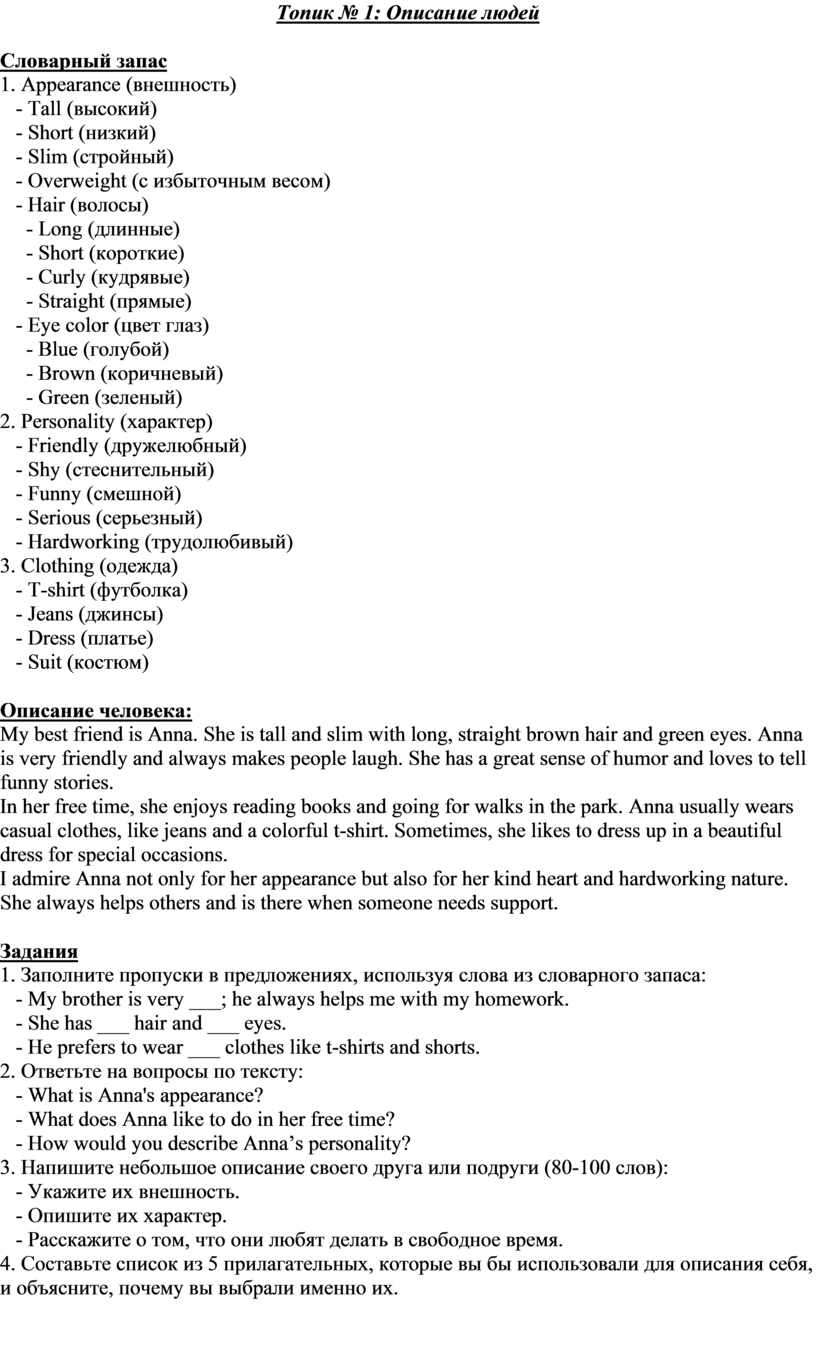
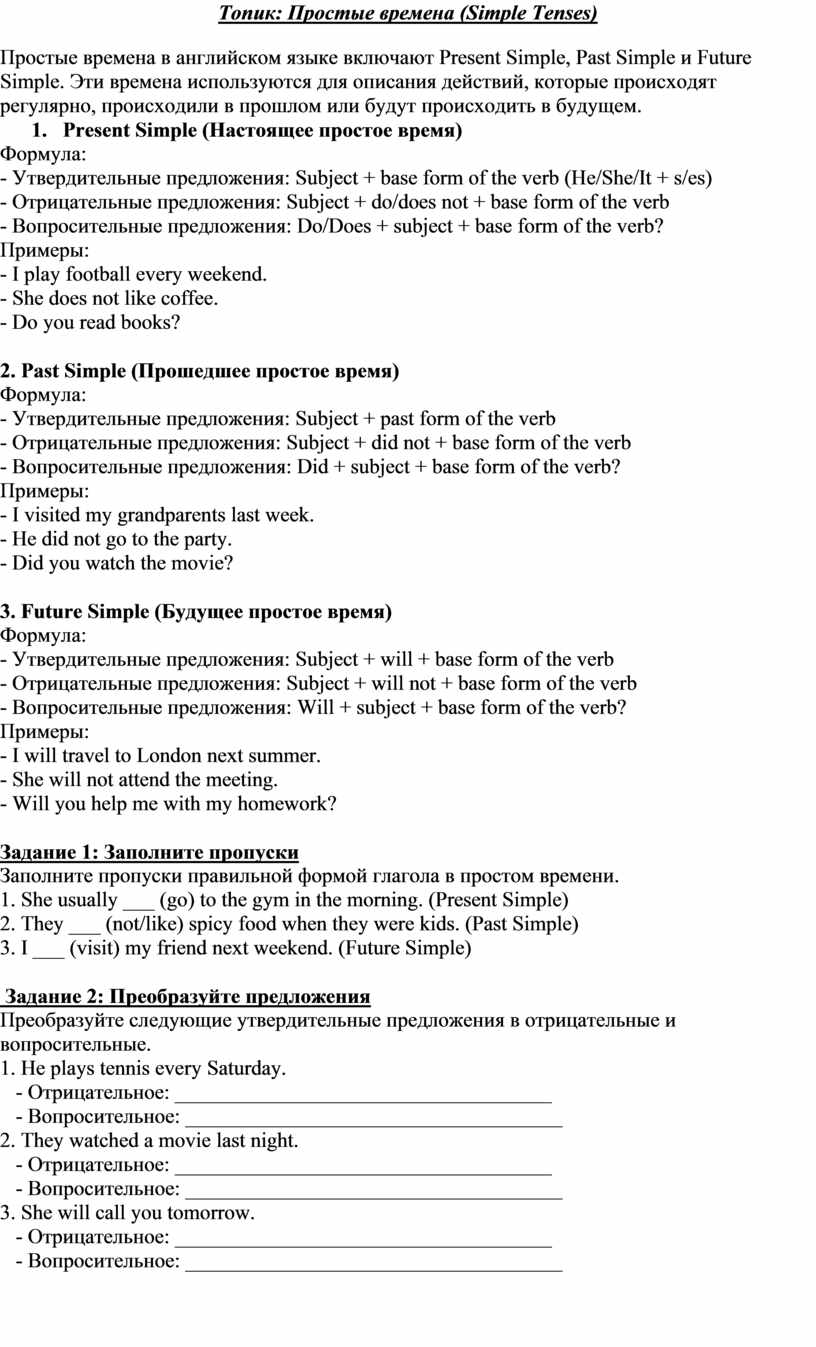
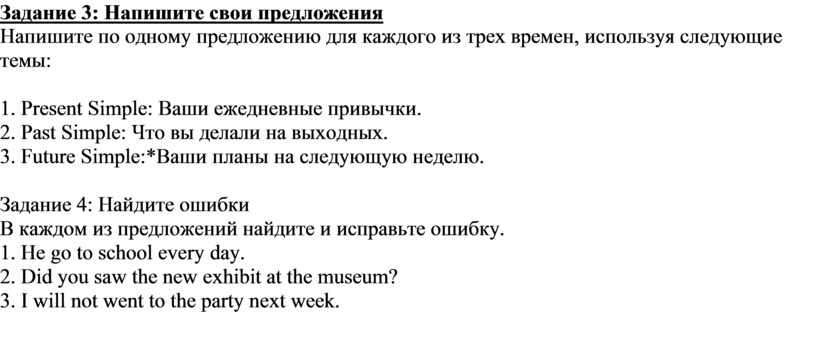

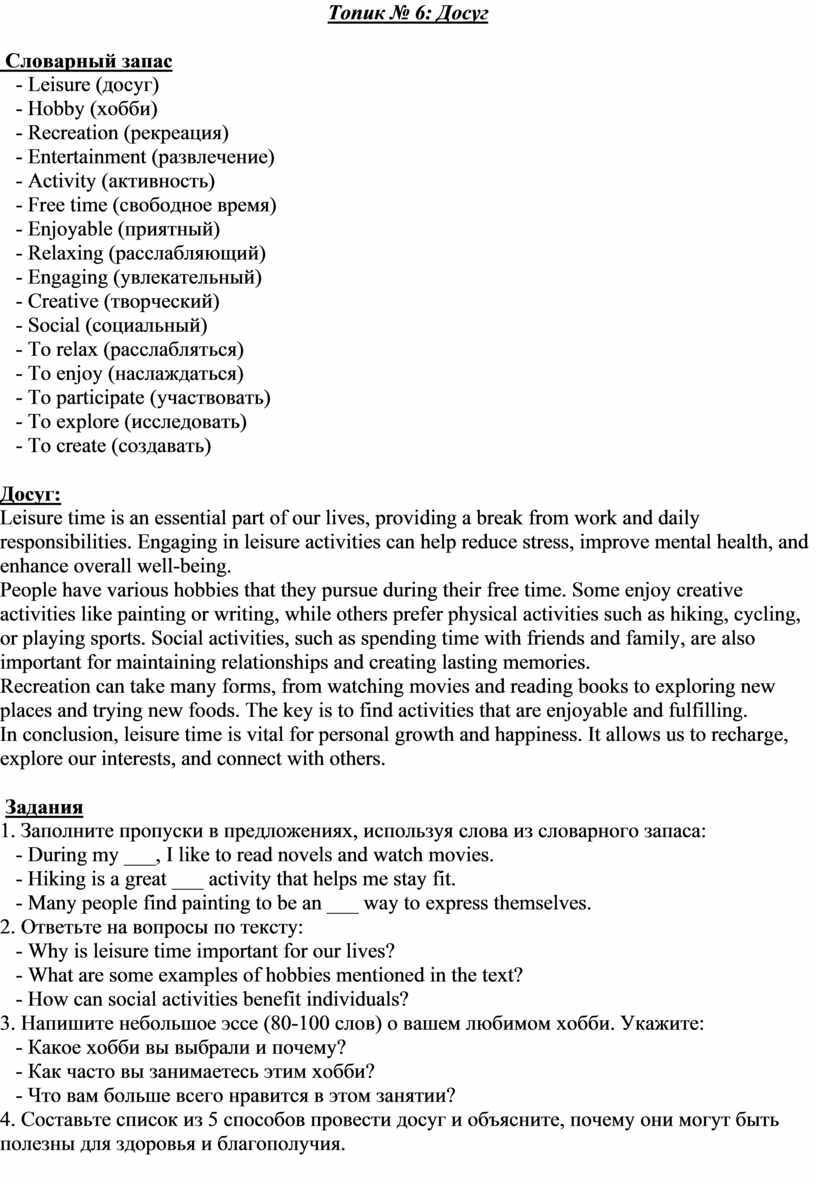
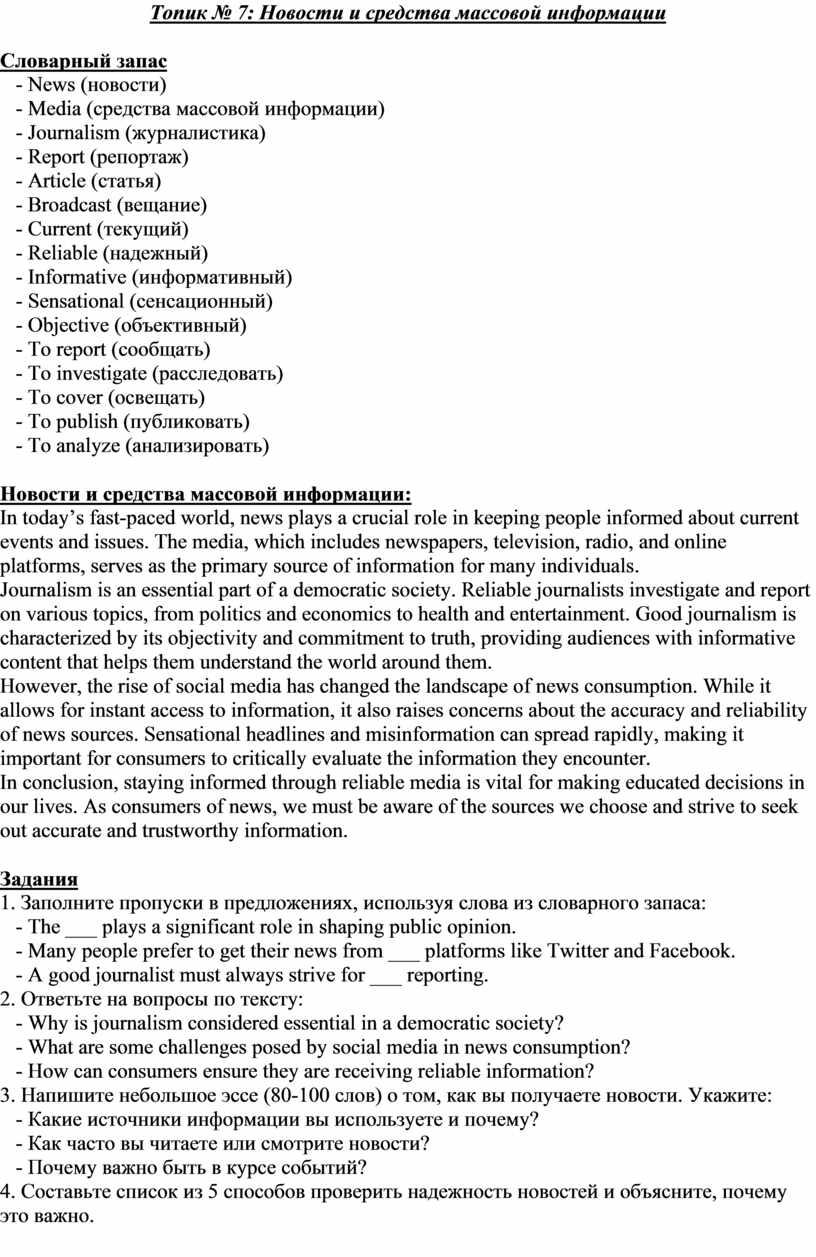





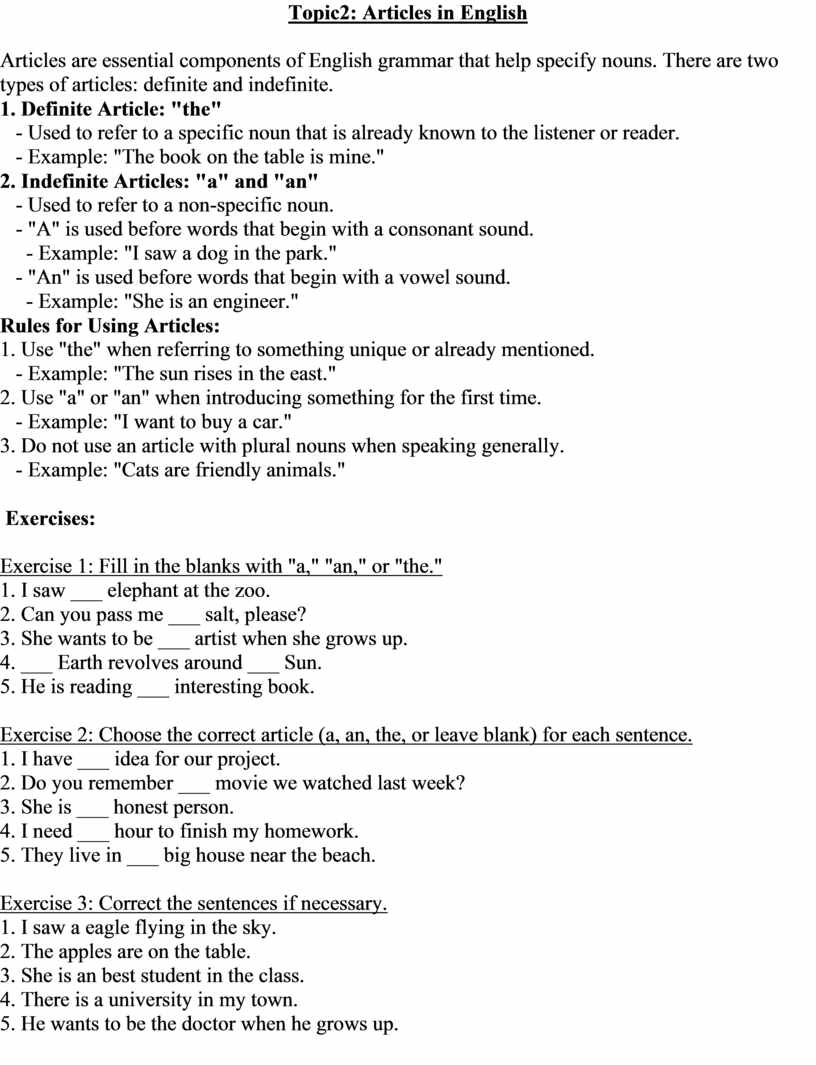
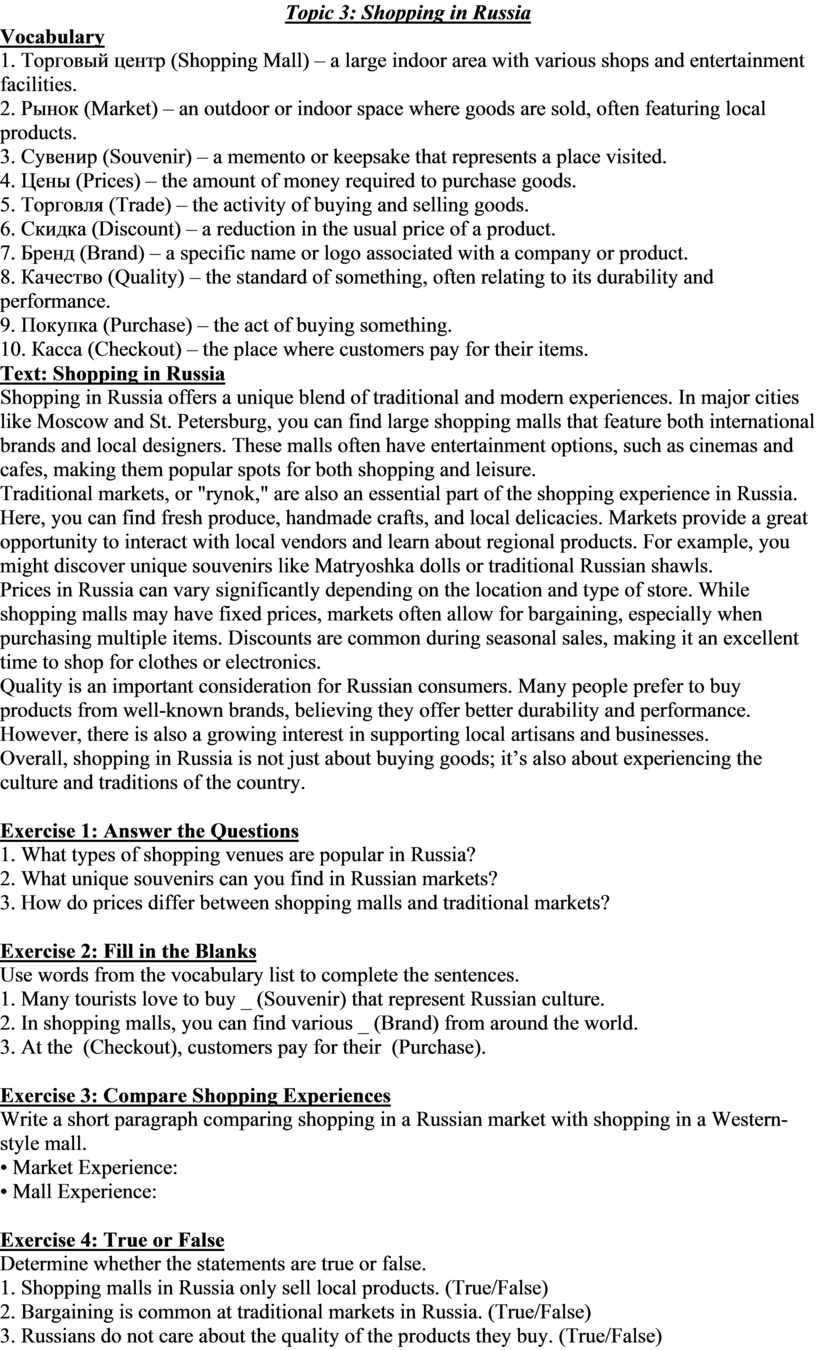
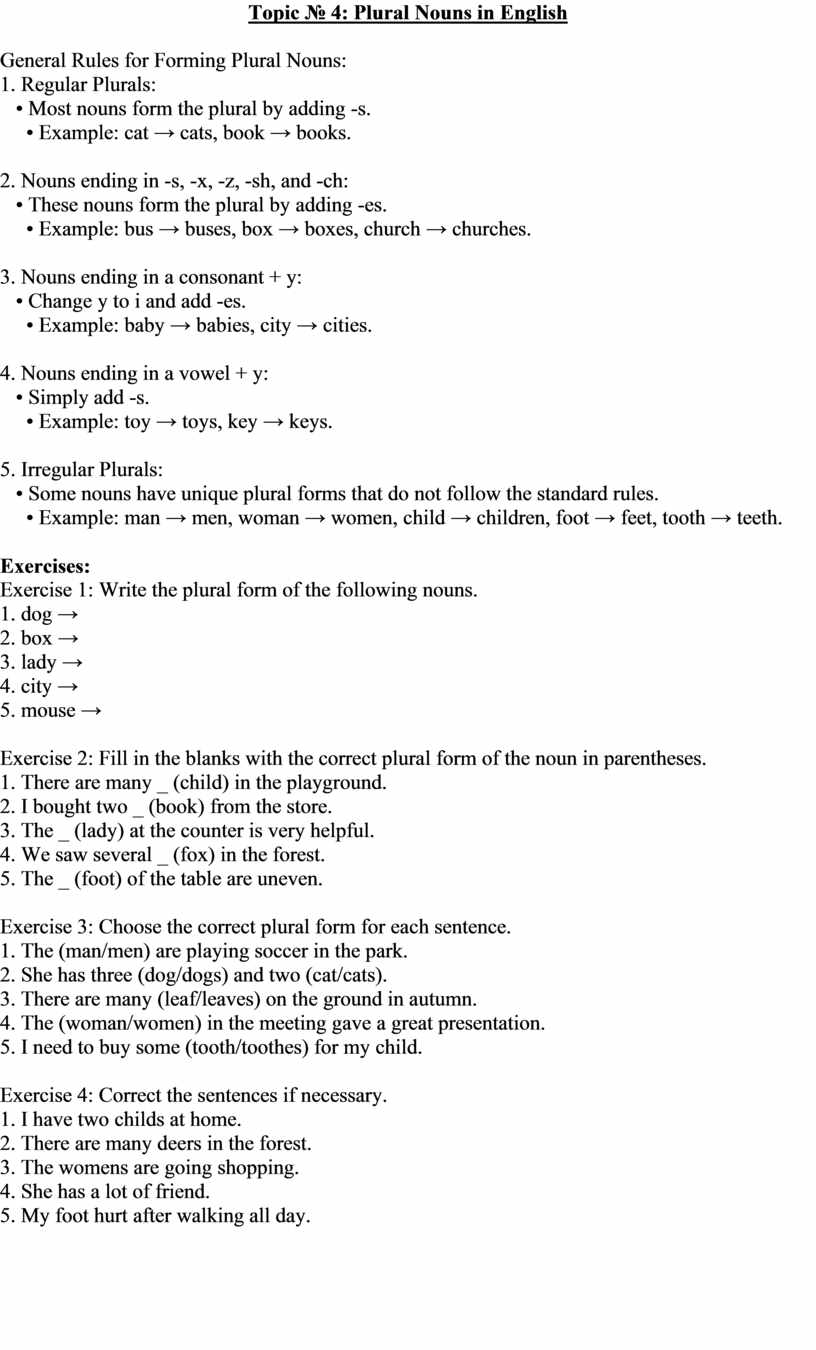
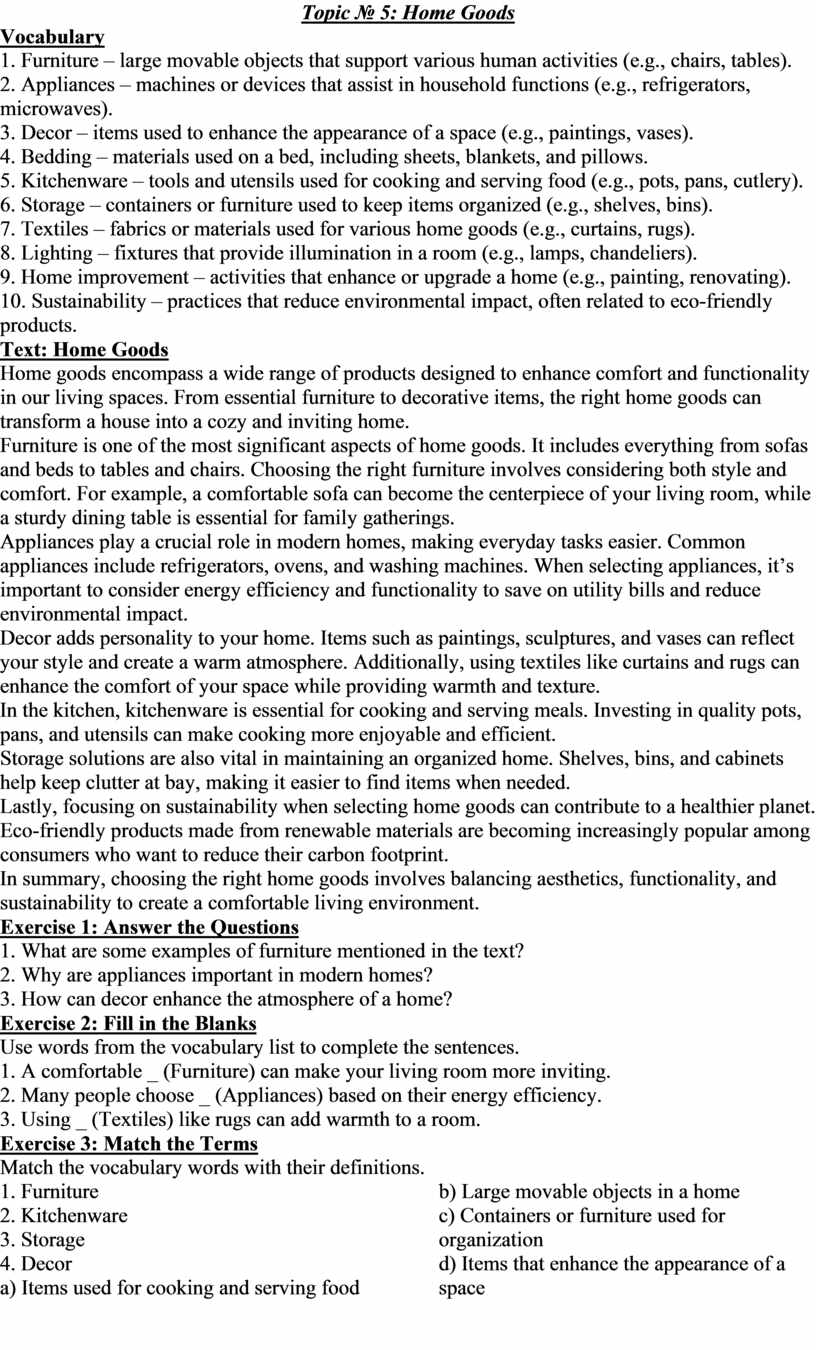
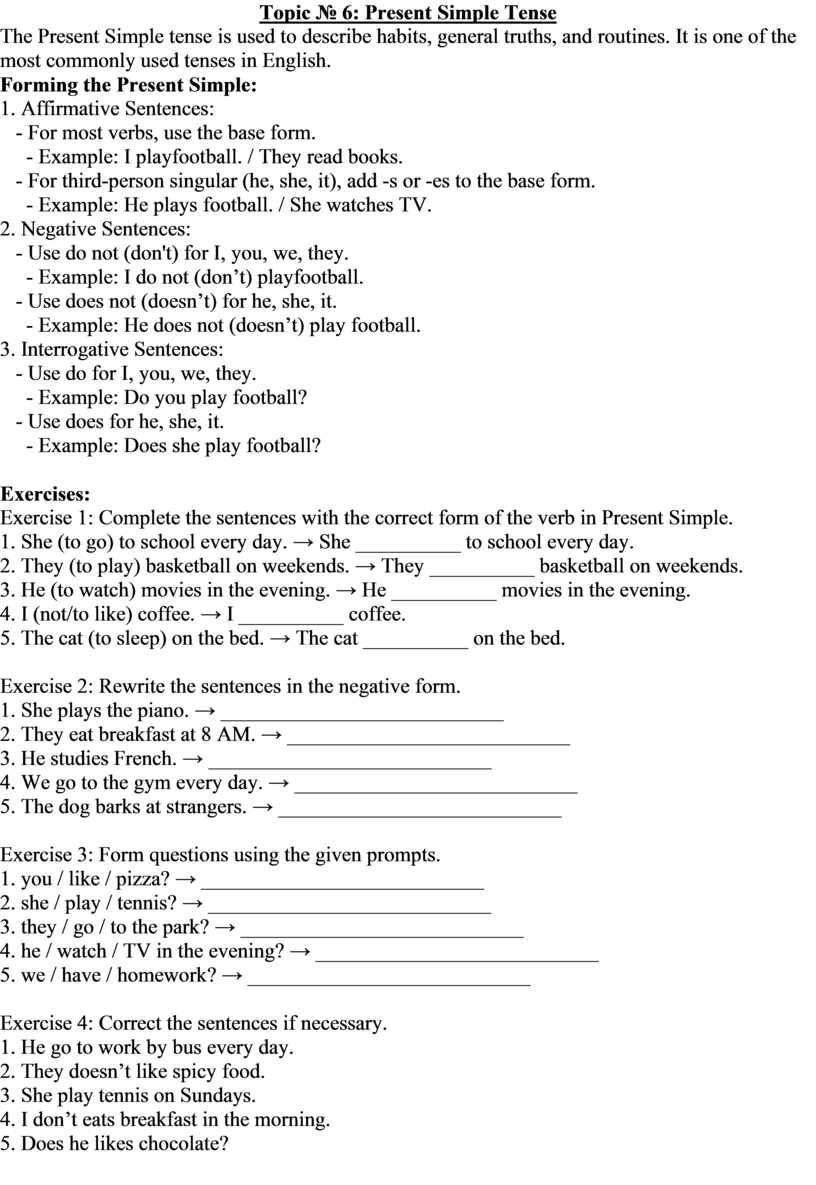
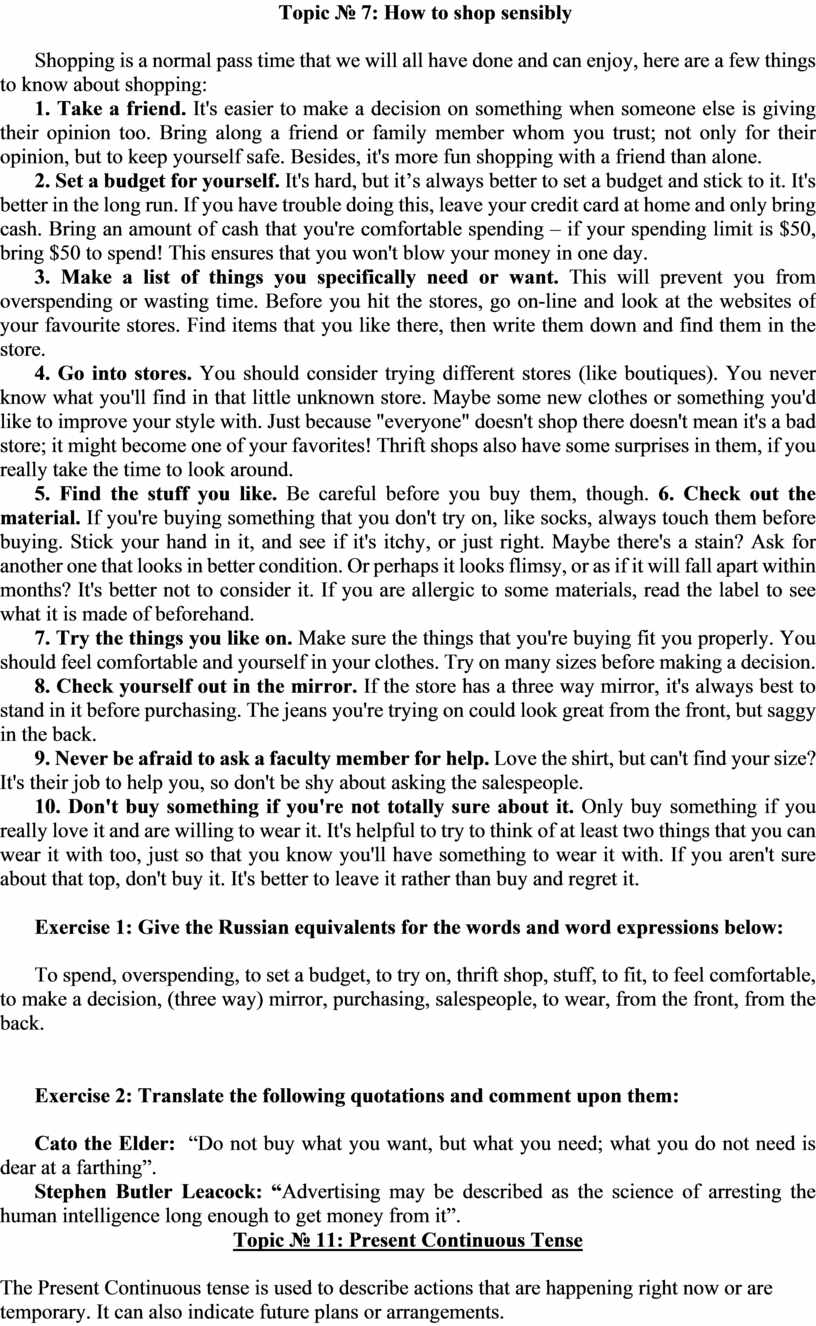
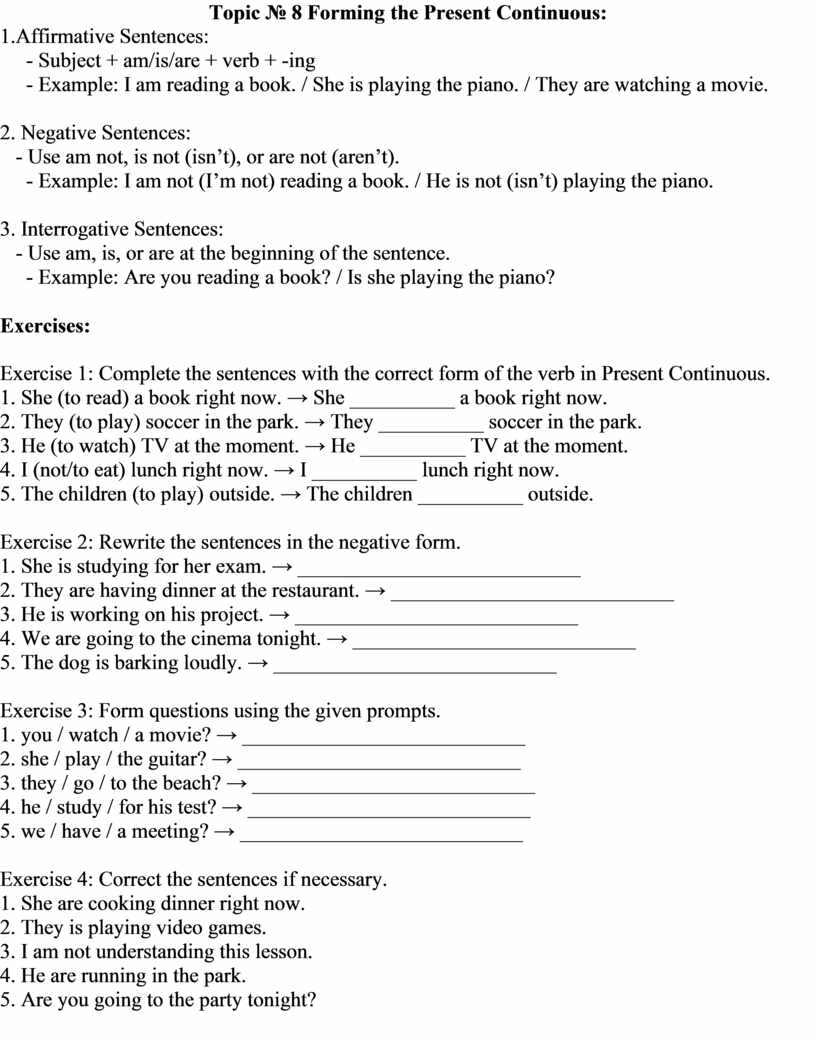

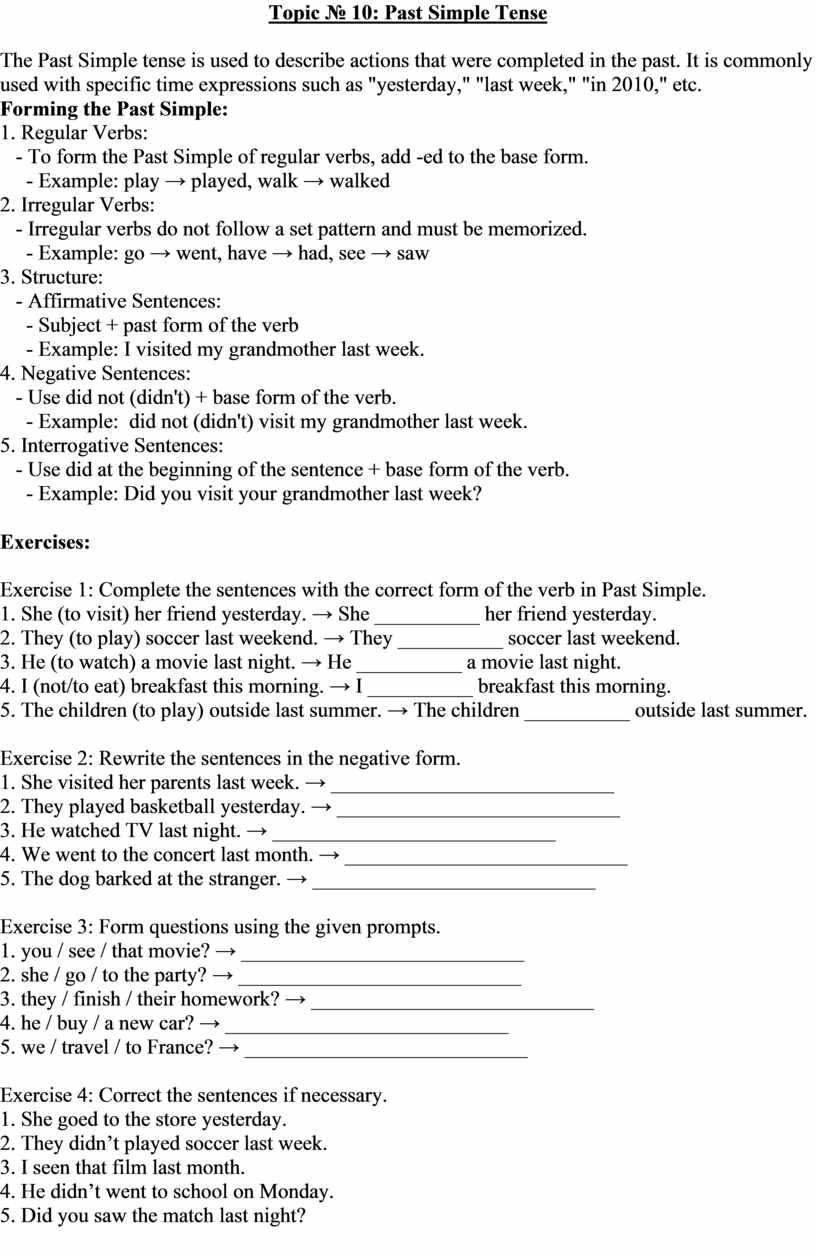

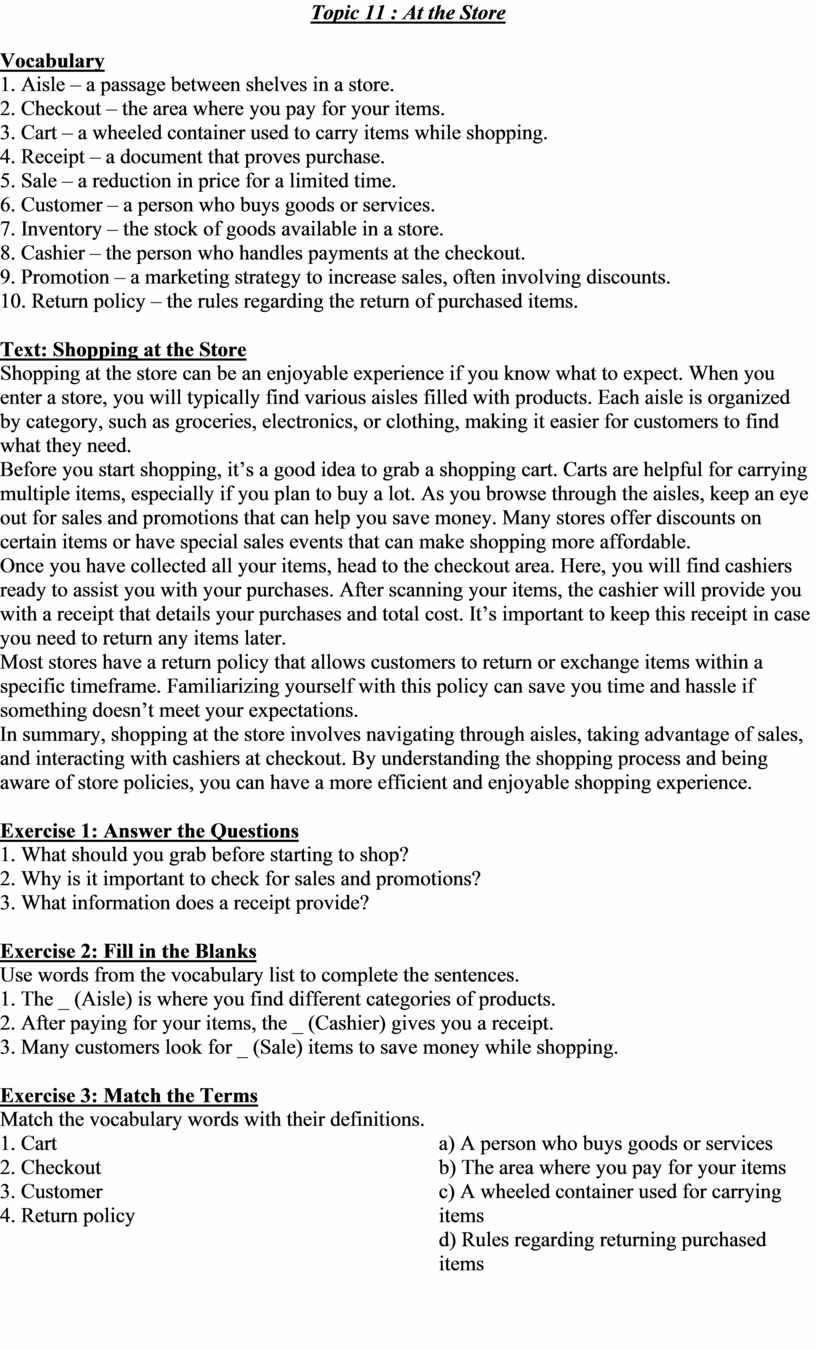

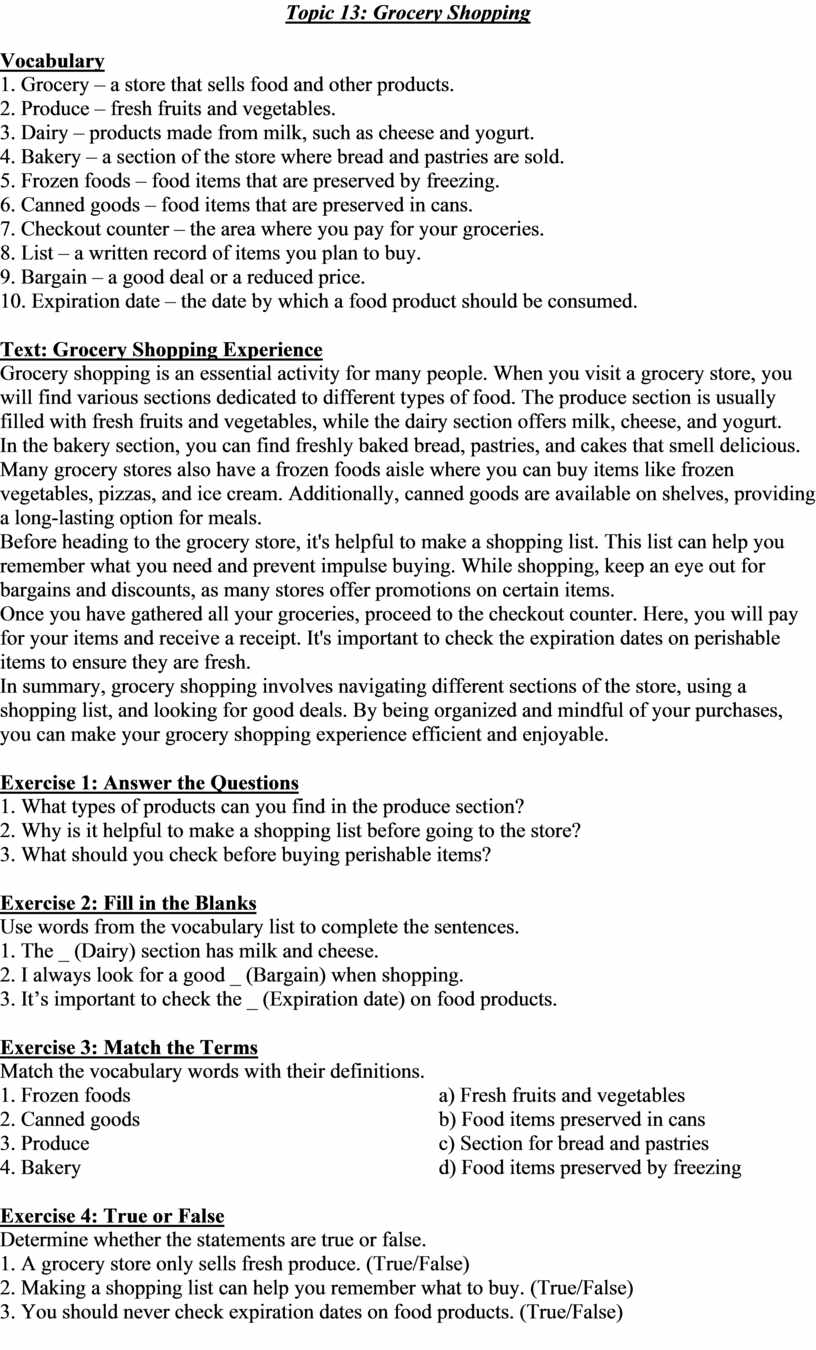
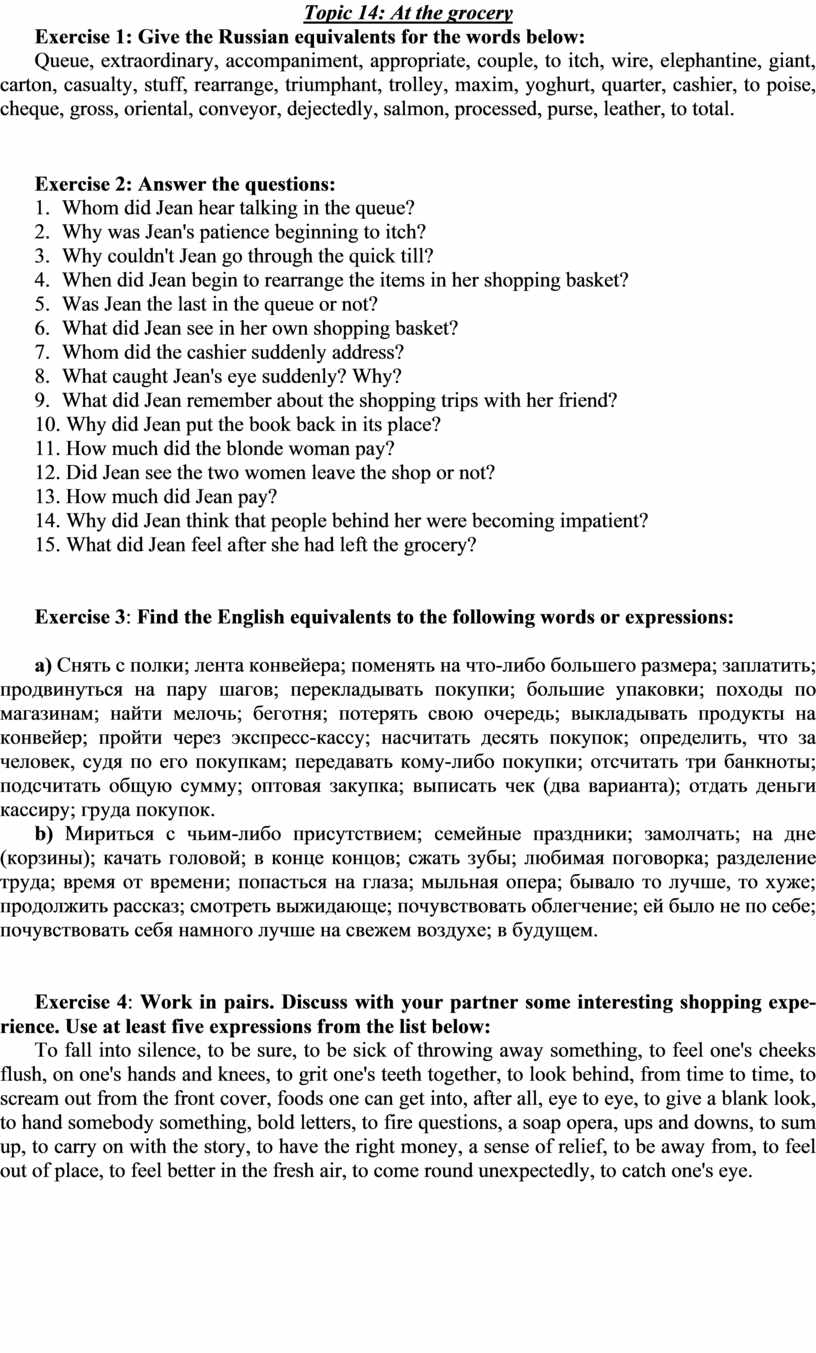
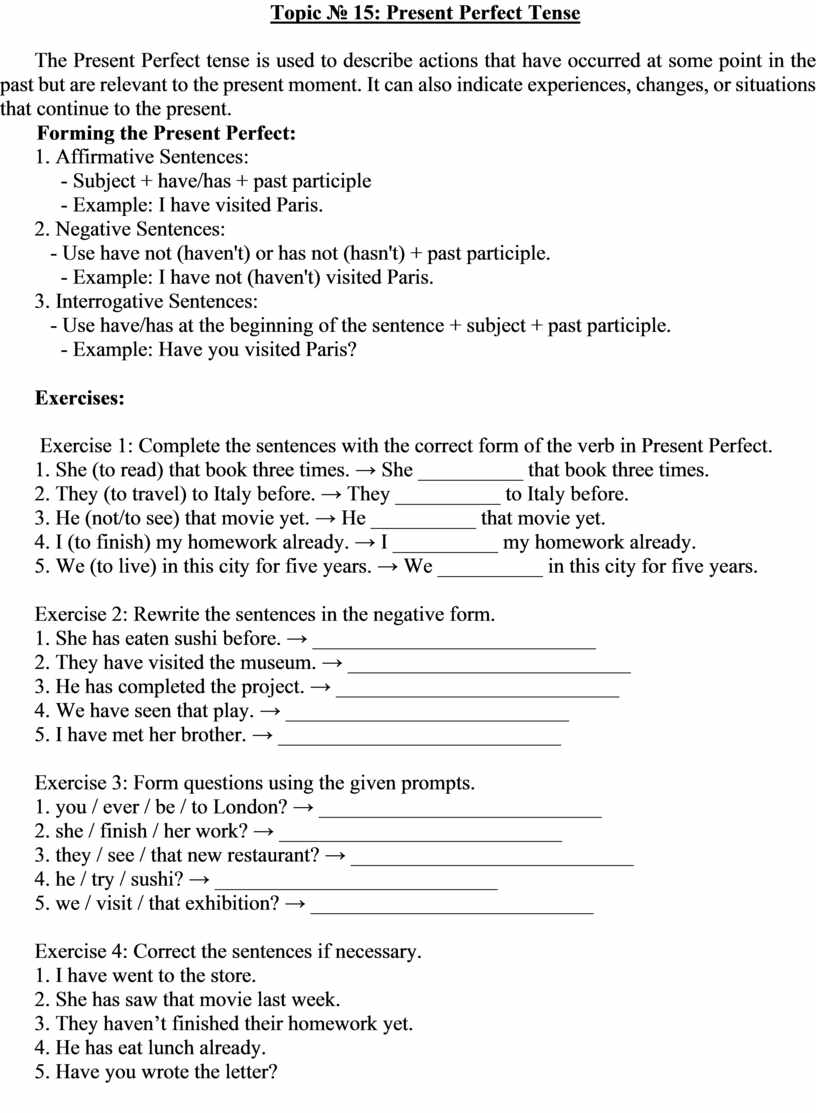
Материалы на данной страницы взяты из открытых источников либо размещены пользователем в соответствии с договором-офертой сайта. Вы можете сообщить о нарушении.