Поделиться



 БАС_3 курс.docx

Учебное пособие 3 курс
БАС
ЛЕКЦИОННЫЕ ЗАНЯТИЯ
1 Лекция
Лингвистический материал по теме;
Определение погоды и климата
Погода — это состояние атмосферы в конкретный момент времени и в определенном месте. Она включает в себя такие элементы, как температура, влажность, атмосферное давление, ветер и осадки. Погода может меняться от часа к часу и даже от минуты к минуте, поэтому мы часто смотрим прогноз, чтобы знать, что нас ждет сегодня.
Климат — это среднее состояние погоды в определенном регионе за длительный период, обычно 30 лет и более. Климатические данные помогают нам понять, какие погодные условия характерны для данного региона: жаркие или холодные зимы, частые дожди или засухи.
◾️ Разница между погодой и климатом
Основное различие между погодой и климатом заключается в их временных рамках:
- Погода — краткосрочные атмосферные условия. Это то, что мы можем наблюдать и ощущать прямо сейчас. Например, сегодня солнечно, температура 25°C, а завтра, возможно, пойдет дождь.
- Климат — долгосрочные тенденции. Это обобщенные данные о погоде, которые показывают, каковы средние температуры и осадки в течение года. Например, в Сибири зимой обычно очень холодно, а летом тепло, хотя конкретные дни могут варьироваться.
Elements of the weather
1. Temperature
- Temperature is a measure of heat or cold in the atmosphere. It is measured in degrees Celsius (°C) or Fahrenheit (°F). For example, 0°C is the freezing point of water, and 100°C is its boiling point. The temperature can vary greatly depending on the time of year and time of day.
2. Humidity
Humidity is the amount of water vapor in the air. It is measured as a percentage and shows how saturated the air is with moisture. High humidity can create a feeling of stuffiness, while low humidity can create a feeling of dryness. For example, in the tropics, humidity is usually high, which makes the weather hotter.
3. Atmospheric pressure
Atmospheric pressure is the force with which air presses against the surface of the Earth. It is measured in millibars (mbar) or millimeters of mercury (mmHg). Pressure varies with altitude and weather conditions. For example, low pressure is often associated with clouds and precipitation.
4. The wind
- Wind is the movement of air caused by the pressure difference in the atmosphere. It is measured in kilometers per hour (km/h) or miles per hour (mph). The wind can be weak and barely noticeable, or strong and destructive, as during hurricanes.
5. Precipitation
Precipitation is any condition of water that falls from the atmosphere to the surface of the Earth. It can be rain, snow, hail or fog. Precipitation plays an important role in climate and ecosystems, providing plants and animals with the necessary moisture.
◾️ Причины изменения климата
1. Естественные факторы
· - Вулканическая деятельность: Извержения могут выбрасывать огромное количество пыли и газов в атмосферу, что может временно изменить климат.
· - Солнечная активность: Изменения в интенсивности солнечных излучений могут влиять на глобальные температуры.
· - Системы океанских течений: Например, Эль-Ниньо и Ла-Нинья могут вызывать значительные изменения в погодных условиях по всему миру.
2. Антропогенные факторы
· - Выбросы парниковых газов: Сжигание ископаемого топлива (уголь, нефть, газ) приводит к увеличению углекислого газа (CO₂) и метана (CH₄) в атмосфере.
· - Уничтожение лесов: Леса поглощают углекислый газ, и их вырубка приводит к увеличению парниковых газов.
· - Сельское хозяйство и индустриализация: Эти процессы также выделяют большое количество парниковых газов и способствуют изменению климата.
◾️ Последствия изменения климата
1. Повышение температуры
- Средняя температура на планете продолжает расти, что приводит к тепловым волнам и другим неблагоприятным условиям.
2. Изменение паттернов осадков
- Осадки становятся более непредсказуемыми: где-то наблюдаются наводнения, а в других регионах — засухи.
3. Экстремальные погодные явления
- Увеличение частоты и интенсивности ураганов, тайфунов, сильных дождей и других опасных явлений.
🟦 Заключение
Понимание погоды и климата имеет огромное значение для:
- Сельского хозяйства: Аграрии должны адаптироваться к изменяющимся условиям, чтобы обеспечить урожай.
- Экономики: Экстремальные погодные условия могут привести к экономическим потерям и росту цен на продукты.
- Повседневной жизни: Знание о климате помогает людям принимать разумные решения в отношении своего образа жизни и ресурсов.
лексический материал
- Weather – погода
- Climate – климат
- Temperature – температура
- Humidity – влажность
- Atmospheric pressure – атмосферное давление
- Precipitation – осадки
- Forecast – прогноз погоды
- Climate change – изменение климата
Лекция 2.
Погодные условия. Погодные опасности; Метеорологические чрезвычайные ситуации
Опасное метеорологическое явление — это природное явление, возникающее в атмосфере под действием различных природных факторов или их совокупности, которые могут оказать поражающее воздействие на людей, строительные сооружения, сельскохозяйственных и диких животных, растительный мир.
Чрезвычайные ситуации метеорологического характера могут быть вызваны следующими причинами:
• ветром, в том числе бурей, ураганом, смерчем (при скорости 25 м/с и более, для арктических и дальневосточных морей — 30 м/с и более);
• сильным дождем (при количестве осадков 50 мм и более в течение 12 ч и более, а в горных, селевых и ливнеопас-ных районах — 30 мм и более за 12 ч);
• крупным градом (при диаметре градин 20 мм и более);
• сильным снегопадом (при количестве осадков 20 мм и более за 12 ч);
• сильными метелями (скорость ветра 15 м/с и более);
• пыльными бурями;
• заморозками (при понижении температуры воздуха в вегетационный период на поверхности почвы ниже О °С);
• сильными морозами или сильной жарой.
Эти природные явления, кроме смерчей, града и шквалов, приводят к стихийным бедствиям, как правило, в трех случаях: когда они происходят на одной трети территории области (края, республики), охватывают несколько административных районов и продолжаются не менее 6 ч.
Ветер — это горизонтальное движение воздушных масс, вызываемое неравномерным распределением атмосферного давления на земной поверхности. Важными метеорологическими характеристиками являются направление и скорость ветра. Различают сильные ветры, бури, ураганы, шквалы, смерчи. Разрушительная сила ветра качественно описывается шкалой Бофорта.
Сильный ветер — это ветер, скорость которого составляет 25 и более м/с (90 и более км/ч).
Основной поражающий фактор сильного ветра — скоростной напор, зависящий от плотности и скорости воздушного потока. Если при скорости ветра 20 м/с еще можно удержаться на ногах, то при 35 м/с — уже практически невозможно. При скорости 28 м/с давление ветра составляет около 70 кг/м’.
Сильный ветер и ураганы влекут за собой разрушение зданий и сооружений, повреждение транспортных средств, лесных насаждений, а также перемещение по воздуху обломков зданий и сооружений, осколков строительных конструкций, поломанных и вырванных с корнем деревьев и других различных предметов. По разрушающему воздействию на здания и сооружения ураганы практически не уступают землетрясениям.
Область пониженного давления в атмосфере с минимумом в центре называется циклоном. Циклон в поперечнике достигает несколько тысяч километров. В Северном полушарии ветры в циклоне дуют против часовой стрелки, а в Южном — по часовой. Погода при циклоне преобладает пасмурная, с сильными ветрами.
Ураган — ветер большой разрушительной силы и значительной продолжительности, скорость которого примерно равна 32 м/с и более (12 баллов по шкале Бофорта).
Ураганы подразделяют на тропические и внетропичес-кие. Тропическими называют ураганы, зарождающиеся в тропических широтах, а внетропическими — во внетропических. Кроме того, тропические ураганы часто подразделяются на ураганы, зарождающиеся над Атлантическим океаном и над Тихим. Последние принято называть тайфунами.
Размеры ураганов различны. Обычно за ширину урагана принимают ширину зоны катастрофических разрушений. Часто к этой зоне прибавляют территорию ветров штормовой силы со сравнительно небольшими разрушениями. Тогда ширина урагана измеряется сотнями километров, достигая иногда 1000 км. Для тайфунов полоса разрушений обычно составляет 15-45 км. Средняя продолжительность урагана — 9~12 дней.
Ураганы являются одной из самых мощных сил стихии и по своему пагубному воздействию не уступают таким страшным стихийным бедствиям, как землетрясения. Это объясняется тем, что ураганы несут в себе колоссальную энергию. Ее количество, выделяемое средним по мощности ураганом в течение 1 ч, равно энергии ядерного взрыва в 36 гигатонн.
Ураганный ветер разрушает прочные и сносит легкие строения, опустошает засеянные поля, обрывает провода и валит столбы линий электропередачи и связи, повреждает транспортные магистрали и мосты, ломает и вырывает с корнями деревья, повреждает и топит суда, вызывает аварии на коммунально-энергетических сетях в производстве. Известны случаи, когда ураганный ветер разрушал дамбы и плотины, что приводило к большим наводнениям, сбрасывал с рельсов поезда, срывал с опоры мосты, валил фабричные трубы, выбрасывал на сушу корабли.
Часто ураганы сопровождают сильные ливни, которые опаснее самого урагана, так как являются причиной селевых потоков и оползней.
Буря — это ветер, скорость которого меньше скорости урагана, однако она довольно велика и достигает 15-20 м/с. Убытки и разрушения от бурь существенно меньше, чем от ураганов. Сильную бурю иногда называют штормом.
Бури различают вихревые и потоковые. Вихревые бури представляют собой сложные вихревые образования, обусловленные циклонической деятельностью и распространяющиеся на большие площади. Потоковые бури — это местные явления небольшого распространения. Они своеобразны, резко обособлены и уступают вихревым бурям.
Вихревые бури бывают пыльные, снежные и шквальные. Зимой они превращаются в снежные. В России такие бури часто называют пургой, бураном, метелью.
Пыльные бури — это атмосферные возмущения, при которых в воздух вздымается большое количество пыли, перенесенной на значительные расстояния. Пыльные бури вызывают удушье и приводят к болезни, от них в значительной мере страдает техника, они могут разносить опасных паразитов. Пыльным бурям подвержены несколько областей Земли, в основном это пустыни.
Как правило, пыльные бури проходят при неустойчивой погоде, при прохождении атмосферных фронтов. Пустыня как бы предупреждает о надвигающейся пыльной буре: сначала спасаются бегством животные, всегда в противоположном буре направлении, затем у горизонта появляется черная полоса, которая расширяется на глазах и за несколько минут затягивает весь небосвод. Внутри бури видимость ничтожна, понижается температура, а за несколько минут до бури обычно начинается дождь.
Кратковременные усиления ветра до скоростей 20-30 м/с называют шквалами.
Шквальные бури возникают, как правило, внезапно, а по времени крайне непродолжительны (несколько минут). Например, в течение 10 мин скорость ветра может возрасти с 3 до 31 м/с.
Потоковые бури подразделяют на стоковые и струевые. При стоковых поток воздуха движется по склону сверху вниз. Струевые характерны тем, что поток воздуха движется горизонтально или вверх по склону. Проходят они чаще всего между цепями гор, соединяющих долины.
Смерч — это атмосферный вихрь, возникающий в грозовом облаке и затем распространяющийся в виде темного рукава или хобота по направлению к поверхности суши или моря.
В верхней части смерч имеет воронкообразное расширение, сливающееся с облаками. Когда смерч опускается до земной поверхности, нижняя часть его иногда расширяется и напоминает опрокинутую воронку. Высота смерча может достигать 800-1500 м. Воздух в смерче вращается и одновременно поднимается по спирали вверх, втягивая пыль или воду. Скорость вращения может достигать 330 м/с. В связи с тем, что внутри вихря давление уменьшается, происходит конденсация водяного пара. Пыль и вода делают смерч видимым. Диаметр смерча над морем измеряется десятками метров, над сушей — сотнями метров.
Очень сильный дождь (ливень) — атмосферные осадки большой интенсивности с выпадением 50 мм и более в течение 12 ч и менее или 120 мм и более — за трое суток (продолжительный дождь).
Особо опасны дожди, которые имеют среднюю интенсивность, превышающую 0,15-0,20 мм/мин, что приводит к полеганию многих зерновых культур (в среднем сильные дожди наблюдаются один раз в 5 лет в каждом пункте наблюдений).
Продолжительные дожди являются причиной дождевых паводков, снижают урожайность и способствуют появлению опасных геологических склоновых процессов (оползни, сели (в Республике Беларусь не наблюдаются), обвалы, разжижение грунта).
Сильные метели — перенос снега над поверхностью земли сильным ветром (возможно в сочетании с выпадением снега), приводящий к ухудшению видимости, заносу транспортных магистралей, полному прекращению движения транспорта (продолжительность не менее 12 часов при средней скорости ветра 15 м/с и более). Чем слабее метель (невысокая скорость ветра), тем более длительное время она может продолжаться. Слабые и обычные метели длятся до нескольких суток, более сильные — до нескольких часов. Следствием метелей также являются снежные заносы.
Сильный гололед — слой плотного льда, образующийся на земной поверхности и предметах при намерзании переохлажденных капель дождя или тумана. Опасным считается гололед при толщине отложения слоя льда на проводах стандартного гололедного станка 20 мм и более.
Сильные сложные отложения — толщина отложения льда, изморози и налипшего мокрого снега на проводах стандартного гололедного станка 35 мм и более.
Крупный град — атмосферные осадки, выпадающие обычно вместе с ливневым дождем при грозе в теплое время года, в виде частичек плотного льда диаметром 20 мм и более (град при диаметре градин от 5 мм до 15 мм не относится к ЧС метеорологического характера). [2.интернет-ресурс]
Лекция 3.
Природные катастрофы
Natural disasters are spontaneous and, as a rule, difficult to predict. They can arise suddenly and have a devastating impact on infrastructure, the economy and the social sphere.
Some types of natural disasters:
By origin: geological (earthquakes, volcanic eruptions, landslides), hydrometeorological (floods, hurricanes, droughts), climatic (climate change, global warming).
In scale: local (affecting a small area), regional (covering vast regions), global (having planetary scales).
By duration: short-term (several hours or days), long-term (several months or years).
In terms of intensity: weak, medium, strong, catastrophic.
Natural disasters in a short period of time devastate the territory, destroy homes, property, communications and other infrastructure elements.
Природные катастрофы
1. Natural disaster – природная катастрофа
2. Earthquake – землетрясение
3. Tsunami – цунами
4. Volcanic eruption – извержение вулкана
5. Landslide – оползень
6. Flood – наводнение
7. Drought – засуха
8. Wildfire – лесной пожар
9. Hurricane – ураган
10. Tornado – торнадо
ПРАКТИЧЕСКИЕ ЗАНЯТИЯ
Тема№4 Активизация лексических навыков по теме «Погодные условия»;
Weather Report
Today, the weather is quite pleasant. The temperature is around 25 degrees Celsius, and there's plenty of sunshine. However, in the afternoon, we might experience some clouds rolling in, which could bring a bit of rain. The humidity is moderate, making it feel comfortable outside. Tomorrow, the forecast predicts a heat wave, so be prepared with plenty of water and sunscreen!
🟦 Вопросы по тексту
1. What is the temperature today?
2. Will there be any rain in the afternoon?
3. How is the humidity described?
4. What is predicted for tomorrow?
5. What should people prepare for during the heat wave?
🟦 Слова по теме «Погодные условия»
· Weather
· Temperature
· Sunshine
· Clouds
· Rain
· Humidity
· Heat wave
· Forecast
· Wind
· Storm
2. Составление предложений:
- Используя каждое из новых слов, составь по одному предложению. Например:
- "The storm last night was very strong."
3. Кроссворд:
- Создай кроссворд с терминами по теме "Погодные условия". Можешь использовать онлайн-ресурсы для этого!
4. Обсуждение:
- Поговори с другом или членом семьи о том, какая погода сегодня. Используй слова из списка в разговоре. Написать эссе на английском языке.
Тема №5 Активизация лексических навыков по теме «Ветер. Снег».
The wind can greatly affect the weather, especially during the winter months. When the wind is strong, it can create a feeling of extreme cold, making it feel much colder than the actual temperature. Snowflakes dance in the air as the wind blows, creating beautiful winter landscapes. In some regions, heavy snowfall can lead to snowstorms. These storms can bring strong winds and deep snow, making it difficult to travel. However, snow also brings joy, as people enjoy activities like skiing, snowboarding, and building snowmen. While the wind howls outside, it’s the perfect time to stay inside, drink hot cocoa, and watch the snow fall gently to the ground.
🟦 Слова по теме «Ветер и снег»
1. Wind – ветер
2. Snow – снег
3. Snowflakes – снежинки
4. Temperature – температура
5. Snowstorm – снежная буря
6. Snowfall – снегопад
7. Cold – холод
8. Blizzard – метель
9. Skiing – катание на лыжах
10. Hot cocoa – горячий шоколад
🟦 Вопросы по тексту
· How does the wind affect the feeling of cold?
· What activities do people enjoy during the snow?
· What can heavy snowfall lead to?
· How does the narrator suggest we spend time during a snowstorm?
· Why is snow considered beautiful?
🟦 Задания
1. Перевод: - Переведи короткие предложения с английского на русский, используя слова из списка. Например: - "The wind is very strong today." (Ветер сегодня очень сильный.)
2. Составление предложений: - Составь по одному предложению с каждым из новых слов. Например: - "The snowflakes are falling gently from the sky."
3. Обсуждение: - Поговори с кем-то о том, как ты любишь проводить время, когда идет снег. Используй слова из списка. Напишите эссе
Topic № 6: Types of Clouds
Text
Clouds are an essential part of our atmosphere. They form when water vapor in the air cools and condenses into tiny droplets or ice crystals. There are many different types of clouds, each with unique characteristics and appearances. The main types of clouds can be classified into three categories: low, mid-level, and high clouds.
1. Low Clouds (up to 2,000 meters):
• Stratus: These are gray clouds that often cover the entire sky like a blanket. They can bring light rain or drizzle.
• Cumulus: These fluffy, white clouds look like cotton balls. They usually indicate fair weather but can develop into larger storm clouds.
• Stratocumulus: These are low, lumpy clouds that can appear in patches. They may bring light rain but are often harmless.
2. Mid-Level Clouds (2,000 to 6,000 meters):
• Altostratus: These gray or blue-gray clouds cover the sky and often precede storms with continuous rain.
• Altocumulus: These clouds appear as white or gray patches and can signal a change in the weather.
3. High Clouds (above 6,000 meters):
• Cirrus: These thin, wispy clouds are high in the sky and are usually a sign of fair weather. However, they can also indicate that a storm is on the way.
• Cirrostratus: These transparent clouds can create halos around the sun or moon and often precede precipitation.
• Cirrocumulus: These small, white patches of clouds often look like ripples in the sky and indicate fair weather.
Understanding the types of clouds can help us predict the weather. Observing cloud formations is an essential skill for meteorologists and anyone interested in nature.
Vocabulary
1. Atmosphere
2. Vapor
3. Condenses
4. Droplets
5. Characteristics
6. Precede
7. Meteorologists
8. Fair weather
9. Lumpy
10. Transparent
1. Атмосфера
2. Пар
3. Конденсируется
4. Капли
5. Характеристики
6. Предшествует
7. Метеорологи
8. Ясная погода
9. Комковатый
10. Прозрачный
Exercises
1. Matching Exercise: Match the type of cloud with its description.
|
• a) Stratus • b) Cumulus • c) Cirrus • d) Altostratus 2. |
1) Thin, wispy clouds that indicate fair weather. 2) Gray clouds covering the sky, often bringing light rain. 3) Fluffy, white clouds that look like cotton balls. 4) Gray or blue-gray clouds that precede storms |
2. Fill in the Blanks: Use words from the vocabulary list to fill in the blanks.
• Clouds form when water in the air cools and into tiny .
• can help us predict the weather.
3. Discussion Questions:
• What types of clouds do you usually see in your area?
• How do you think cloud watching can be beneficial for understanding the weather?
4. Creative Task: Draw a picture of your favorite type of cloud and label it with its name and a brief description.
.
Тема №7 Составление мини- диалогов «Командир – второй пилот»;
◾️ Диалог: Подготовка к посадке
· Commander: Co-Pilot, please prepare for landing. Check the landing gear status.
· Co-Pilot: Yes, Commander! Landing gear is down and locked. Speed is 150 knots.
· Commander: Good. What’s the weather at the airport?
· Co-Pilot: The weather is clear with a slight breeze. Visibility is excellent.
· Commander: Great! Let’s brief the approach procedure.
· Co-Pilot: Roger that! We will be landing on runway 27.
· Commander: Remember to cross-check the altimeter before landing.
· Co-Pilot: Absolutely! Altimeter set to 29.92 inHg.
· Commander: All right, let's do a final check of the cabin.
· Co-Pilot: Cabin is secure, and passengers are seated with seatbelts fastened.
· Commander: Excellent! Let's land this bird!
· Co-Pilot: Ready for touchdown, Commander!
🟦 Вопросы по теме
1. What are the first steps the co-pilot takes when preparing for landing? 2. Why is it important to check the weather before landing?
3. What is the purpose of cross-checking the altimeter? 4. How does the co-pilot ensure the cabin is secure? 5. What is the landing speed mentioned in the dialogue?
🟦 Слова по теме
1. Commander – командир
2. Co-Pilot – второй пилот
3. Flight – полет
4. Pre-flight checks – предполетные проверки
5. Takeoff – взлет
6. Altitude – высота
7. Descent – снижение
8. Landing gear – шасси
9. Speed – скорость
10. Weather – погода
1. What does the co-pilot do before takeoff? 2. How do the commander and co-pilot communicate during the flight? 3. What is the importance of the pre-flight checks? 4. At what altitude do they usually cruise?
5. What does the co-pilot do during the descent?
Тема №8 Развитие навыков чтения с пониманием основного содержания текста «Обледенение и турбулентность»;
Icing and Turbulence
When flying through clouds or in cold weather, aircraft can encounter a phenomenon known as icing. This occurs when moisture freezes on the aircraft's wings and other surfaces, potentially affecting performance. Pilots must be vigilant about detecting icing conditions and take necessary precautions, such as using de-icing systems.
Turbulence, on the other hand, refers to the irregular movement of air that can cause the aircraft to shake or bounce during flight. Turbulence can be caused by various factors, including weather systems, mountain waves, or even other aircraft. While it may feel unsettling, most turbulence is harmless and part of the flying experience.
Both icing and turbulence require pilots to maintain focus and communicate effectively with their co-pilots and air traffic control. Understanding these conditions helps ensure a safe and smooth flight for everyone on board.
🟦 Вопросы по теме
1. What causes icing on an aircraft?
2. How do pilots deal with icing conditions?
3. What are some common causes of turbulence?
4. Why is it important for pilots to communicate during turbulent conditions?
5. How does turbulence affect the passenger experience during a flight?
Тема № 9 Причастие, герундий, инфинитив
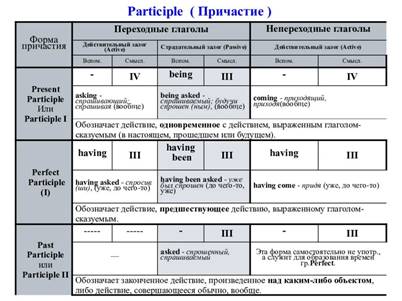
Exercise 1. Put the verb into the correct form:
1. I don’t fancy ______ (go) out tonight. 2. She avoided ________ (tell) him about her plans. 3. I would like _______ (come) to the party with you. 4. He enjoys ______ (have) a bath in the evening. 5. She kept _______ (talk) during the film. 6. I am learning ________ (speak) English. 7. Do you mind ________ (give) me a hand? 8. She helped me _______ (carry) my suitcases. 9. I’ve finished _______ (cook). Come and eat! 10. He decided _____ (study) Biology. 11. I dislike _______ (wait). 12. He asked ___________ (come) with us. 13. I promise ______ (help) you tomorrow. 14. We discussed __________ (go) to the cinema, but in the end we stayed at home. 15. She agreed _______ (bring) the pudding. 16. I don’t recommend ____ (take) the bus, it takes forever! 17. We hope ______ (visit) Amsterdam next month. 18. She suggested _____ (go) to the museum. 19. They plan ___ (start) college in the autumn. 20. I don’t want _________ (leave) yet.
Exercise 2. Put the verb into the gerund or the infinitive with ‘to’:
1. She delayed _____ (get) out of bed. 2. He demanded ___ (speak) to the manager. 3. I offered ___ (help). 4. I miss ____ (go) to the beach. 5. We postponed _______ (do) our homework. 6. I’d hate ____ (arrive) too late. 7. She admitted ____ (steal) the money. 8. I chose ____ (work) here. 9. She waited _____ (buy) a drink. 10. I really appreciate ___ (be) on holiday. 11. I couldn’t help ______ (laugh). 12. It seems ______ (be) raining. 13. I considered ______ (move) to Spain. 14. They practised ______________ (speak). 15. Finally I managed ______________ (finish) the work. 16. I really can’t stand ______________ (wait) for the bus. 17. Unfortunately, we can’t afford ______________ (buy) a new car this year. 18. She risked ______________ (be) late. 19. I’d love ______________ (come) with you. 20. I prepared ______________ (go) on holiday.
Exercise 3. Put the verb into the gerund or the infinitive with ‘to’:
1. It appears _________________ (be) raining. 2. We intend _________________ (go) to the countryside this weekend. 3. I pretended _________________ (be) sick so I didn’t have to go to work. 4. Can you imagine_________________ (live) without TV? 5. They tolerate_________________ (smoke) but they prefer people not to. 6. I anticipate _________________ (arrive) on Tuesday. 7. A wedding involves _________________ (negotiate) with everyone in the family. 8. He denies _________________ (steal) the money. 9. He claims _________________ (be) a millionaire but I don’t believe him. 10. I expect _________________ (be) there about seven. 11. Julia reported _________________ (see) the boys to the police. 12. It tends _________________ (rain) a lot in Scotland. 13. Do you recall _________________ (meet) her at the party last week? 14. She mentioned _________________ (go) to the cinema, but I don’t know what she decided to do in the end. 15. The teenager refused _________________ (go) on holiday with his parents. 16. I understand _________________ (be) late once or twice, but every day is too much! 17. I would prefer you _________________ (come) early if you can. 18. That criminal deserves _________________ (get) a long sentence. 19. She completed _________________ (paint) her flat. 20. We arranged ____________ (meet) at four but at four thirty she still hadn’t arrived.
Exercise 4. Change the sentence into a sentence with a gerund subject.
1. It is important to eat breakfast every morning. 2. It is not a good idea to step on a scorpion. 3. It takes time to understand the grammar of a new language. 4. It won't be easy to memorize all the irregular verbs. 5. It is a privilege to vote. 6. It is a bad habit to skip breakfast. 7. It makes sense to save as much money as you can. 8. It is hard to write a bestselling book. 9. It is important to practice pronunciation. 10. It can be difficult to find a good job. Exercise 5. Change the sentence into a sentence with an infinitive subject. 1. Losing your keys is frustrating. 2. Cheating on a test is not a good idea. 3. Being nice to some people can be difficult. 4. Expressing yourself in a new language is hard. 5. Riding a unicycle to work doesn't make sense. 6. Complaining isn't a good idea. 7. Passing the test wasn't easy. 8. Bringing a pen or pencil to class is important. 9. Learning a language in one day is impossible. 10. Winning a pie-eating contest is a piece of cake.
Тема №10 Погодные опасности
Weather hazards are various natural phenomena that can pose a threat to human life and health, as well as to property. Such phenomena include:
1. Hurricanes and tornadoes are strong winds capable of causing destruction.
2. Floods — excess water that floods territories and can damage homes and infrastructure.
3. Droughts are a long period without precipitation, which leads to water shortages.
4. Snowfalls and blizzards are heavy precipitation events that can make movement difficult and cause accidents.
5. Thunderstorms and lightning — can lead to fires and injuries.
Now, to consolidate the material, here are a few questions:
1. What weather hazards do you know?
2. What precautions do you think should be taken when a hurricane threatens?
3. How does the drought affect society?
There are four levels of weather hazard:
The green danger level means that the weather is not dangerous and no adverse natural phenomena are expected.
Yellow — the element is potentially dangerous, adverse events are expected (precipitation, thunderstorms, wind gusts, high or low temperatures). They are common in our country, but at times they can pose a threat to certain types of socio-economic activities
Orange — the weather is dangerous, adverse events are expected in most parts of the territory, and in some places dangerous (squalls, showers, thunderstorms, hail, heat, frost, snowfall, blizzards). They can negatively affect socio-economic activities and lead to significant material damage, as well as possible human casualties.
Red — the weather is very dangerous, meteorological phenomena of extreme intensity are expected, which can cause serious material damage and human casualties
This practice of using a color code is accepted in many countries around the world.
Тема№11 Природные катастрофы
Remember the names of disasters:
an earthquake [ˈɜːθkweɪk] — землетрясение,
a hurricane [‘hʌrɪkein] — ураган,
a typhoon [,tai’fu:n] — тайфун,
a tornado [tɔː’neɪdəu] — торнадо,
a cyclone [‘saɪkləun] — циклон,
a blizzard [‘blɪzəd] — метель,
a snowstorm [‘snəustɔːm] — снежная буря,
a thunderstorm [‘θʌndəstɔːm] — гроза
Kinds of Storms
Words for the text:
disaster [dɪ’zɑːstə] — стихийное бедствие
damage [‘dæmɪʤ] — 1. повреждение; 2.наносить повреждения
damaging — разрушительный
blind [blaɪnd] — 1. слепой; 2. ослеплять
blinding — ослепляющий
occur [ə’kɜː] — случаться, происходить (син. happen)
cause [kɔːz] — вызывать, быть причиной
funnel — воронка
funnellike — в форме воронки
destructive [dɪ’strʌktɪv] — разрушительный (син. damaging)
Storms are an important part of weather. Storms can produce hard rain, blowing snow, large hail, or damaging winds. There are different kinds of storms.
Let us start with a blizzard. It is a heavy snowstorm with very strong cold winds that can be blinding. A blizzard happens in the winter, when very cold air from the Arctic moves south and meets warmer air. In the result a blizzard starts. It has blowing snow and makes it difficult for people to drive or walk anywhere. If a blizzard is coming, it is better to stay indoors.
What is «a blizzard» in Russian?
Another storm is a hurricane, which starts over the ocean. The winds get faster and heavy clouds are formed. First, the hurricane grows, it can be hundreds of miles wide and last days or weeks. But finally it gets weaker and disappears.
Hurricanes form between June and December, but they occur most often in September. They usually happen along the Atlantic Coast or in the Gulf of Mexico. иn hurricane season, the weather service keeps a close watch. If a storm starts, warnings are sent out so that people in the area can go indoors or leave town, waiting for the storm to pass.
Every hurricane gets a name. The first storm of the year gets a person’s name that starts with the letter A. The second storm gets the letter B. Each storm that year gets a name beginning with a new letter of the alphabet. One of the strongest windstorms of all is a tornado. It typically starts on a hot, sticky, cloudy afternoon. A tornado is formed when dry air from the north meets wet air from the south, causing dark clouds to form. The dark clouds start to change at the bottom, and a funnellike shape forms. This funnel grows until it reaches the ground, and then it starts to travel, roaring as it goes. Tornadoes hit mostly in the Midwest of the USA, but they can also occur in other areas of the country. Usually tornadoes occur in spring or in summer. The storm usually does not last long, and the funnel soon disappears or moves on. People are advised to stay in a cellar and wait until the storm is over. There are other types of storms, too, which add beauty and excitement to our lives. A snowstorm brings billions of snowflakes. When they are examined, no two are exactly alike. Each tiny snowflake has its own shape and beauty.Almost everyone has awakened during a thunderstorm in the middle of the night. The noisy thunder and the bright lightning startle and excite spectators.
There are gentle rainstorms, too. When people hear the soft sounds of quiet falling rain, they often feel peaceful. Sometimes a rainbow appears in the sky as an enormous arch of colored stripes.
To sum up, there are many kinds of storms. Some of them are destructive, others bring a simple beauty to us. All the same, storms of all kinds are a part of our lives.
Answer the questions:
1. What kinds of storms can you name now?
2.What do the strong winds of a blizzard do?
3. Where does a hurricane start?
4. What sometimes happens after it rains?
5. Why is it important to know about storms?
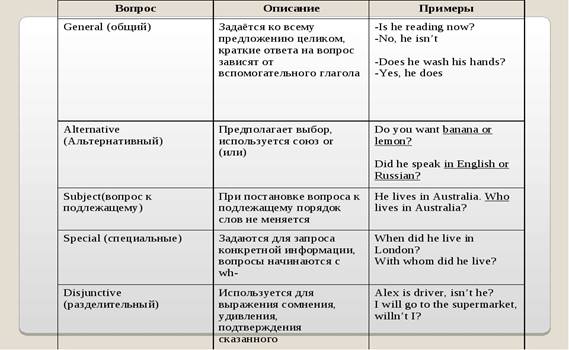
Тема № 12 Виды вопросительных предложений
В английском языке выделяют пять видов вопросительных предложений:
1. Общие вопросы. Подразумевают ответ «да» или «нет». Примеры: «Do you have a driving license?» («У вас есть водительские права?»).
2. Специальные вопросы. Предполагают развёрнутый ответ. Начинаются с вопросительных слов: what, which, where, when, why, how. Примеры: «What day is it today?» («Какой сегодня день?»).
3. Вопросы к подлежащему. Относятся к действующему лицу или предмету в предложении. Начинаются с вопросительного слова who или what. Примеры: «Who are those people?» («Кто эти люди?»).
4. Разделительные вопросы. Служат для уточнения информации, её подтверждения или опровержения. Состоят из двух частей: первая строится как обычное утвердительное или отрицательное предложение, вторая — «хвостик» — содержит краткий общий вопрос. Примеры: «He likes me, doesn’t he?» («Я ему нравлюсь, не так ли?»).
5. Альтернативные вопросы. Предполагают выбор между несколькими вариантами. Образуются с помощью союза or — «или». Примеры: «Can I go now, or do you want me to wait?» («Я могу идти, или ты хочешь, чтобы я подождал?»).
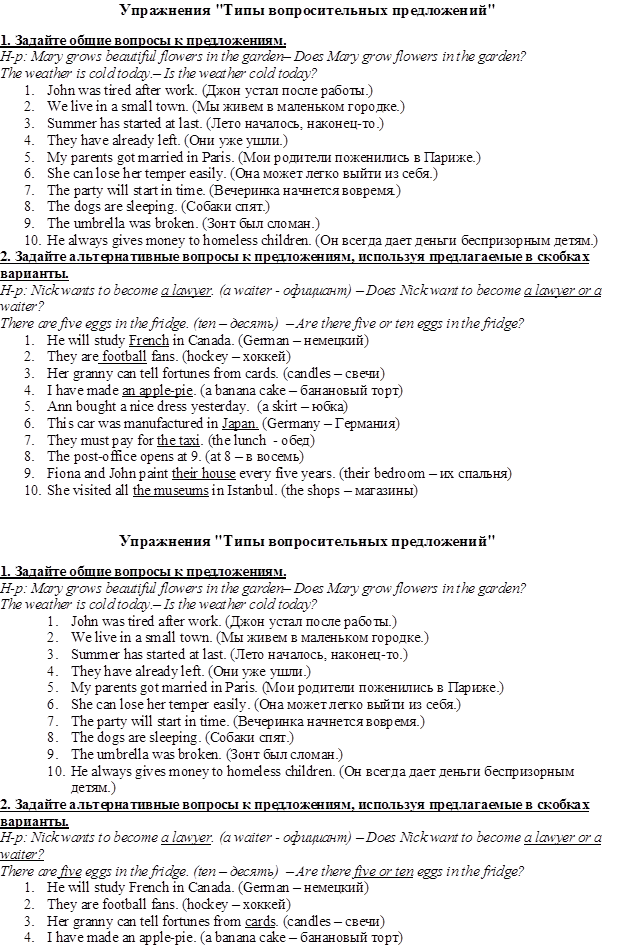
Тема№13 Погода
Weather is a fascinating phenomenon that influences our daily lives in numerous ways. Although we can't control the weather, we can prepare for it, and understanding it helps us be ready for whatever Mother Nature has in store.
The climate is one of the defining features of a region, and it can vary widely depending on geography and location. In areas with warm and sunny weather, such as the Mediterranean, people enjoy swimming and sunbathing, and farmers grow crops such as oranges, olives, and grapes. Meanwhile, cities that receive more snow and rain, such as Moscow or Seattle, must cope with harsh winters and damp, chilly climates.
The weather can have a significant impact on our daily schedules, from deciding what to wear in the morning to planning our weekend activities. Sudden storms or heat waves can interrupt travel plans, while constant rain or snow can make it difficult to carry out even basic tasks.
As global temperatures continue to rise, extreme weather conditions such as hurricanes, wildfires, and droughts are becoming more frequent and severe. Extreme weather has the potential to cause serious damage to our communities and wildlife. It's more critical now than ever before that we pay attention to the weather and prepare for its consequences.
In conclusion, although we can't control the weather, it's essential to pay attention to it and be prepared. Understanding how climate conditions work and how they impact our lives is vital for our safety and well-being. So, take a moment to appreciate the weather today, whether it's sunny, cloudy, or rainy, and don't forget to take an umbrella just in case!
weather – погода
weather forecast – прогноз погоды
weatherman – метеоролог
weather station – метеорологическая станция
Теплая погода
bright / clear – ясный
sunny – солнечный
muggy – влажная и душная
sultry – знойный, душный
dry – сухой
hot – жаркий
warm - теплый
sticky – жаркий и влажный
fresh – свежий
heat – жара, зной
Nice weather today, isn’t it? – Милая погодка сегодня, не так ли?
What a good day! Don’t you think so? – Хороший день, не находите?
The weather is fine. – Погода – великолепная.
I think it will clear up soon. – Думаю, скоро будет ясно.
The sun’s trying to come out. – Солнце пытается выглянуть из-за облаков.
It looks like it’s going to be sunny. – Похоже, будет солнечно.
I like warm weather, and you? – Люблю теплую погоду, а вы?
The sky is so clear today. – Небо сегодня такое чистое.
The weather is getting warmer. – Погода становится теплее.
It’s splendid weather, isn’t it? – Великолепная погода, не так ли?
There is not a cloud in the sky. – На небе – ни облачка.
It’s pretty warm today. – Сегодня довольно тепло.
The sun is shining. – Светит солнышко.
cool – прохладный, свежий
chilly – холодный, прохладный
cold - холодный
hazy / misty / foggy – туманный
windy – ветреный
frosty / freezing – морозный
cloudy – облачный
sky – небо
cloud – облако, туча
dense clouds – густые облака
low, black clouds – низкие, черные облака
heavy grey clouds – огромные темные тучи
overcast – покрытый облаками, мрачный, хмурый (о небе)
sun – солнце
moon - луна
star – звезда
wind – ветер
cold wind – холодный ветер
cold biting wind – холодный резкий ветер
breath of air / puff of wind – дуновение ветерка
breeze – бриз
slight wind / moderate wind – легкий ветерок
gale / strong wind – сильный ветер
gust of wind – порыв ветра
hurricane / very strong wind – ураган, буря
blizzard – снежная буря
blinding snowstorm – буран
squall – шквал
storm – шторм
whirlwind – вихрь, ураган, торнадо
tornado / twister (AmE) – торнадо, смерч, ураган
thunderstorm – гроза
lightning – молния
thunder - гром
it lightens – сверкает молния
it thunders – гремит гром
thunder-cloud – грозовая туча
dark – темный
humidity – сырость, влажность
frost – мороз
shower – ливень
drizzle – моросящий дождь
precipitation – осадки
rain – дождь; идти (о дожде)
snow – снег; идти (о снеге)
snowfall – снегопад
snowdrift – снежный сугроб
snowflake – снежинка
hail – град
storm - буря
Тема №14 Выполнение упражнений
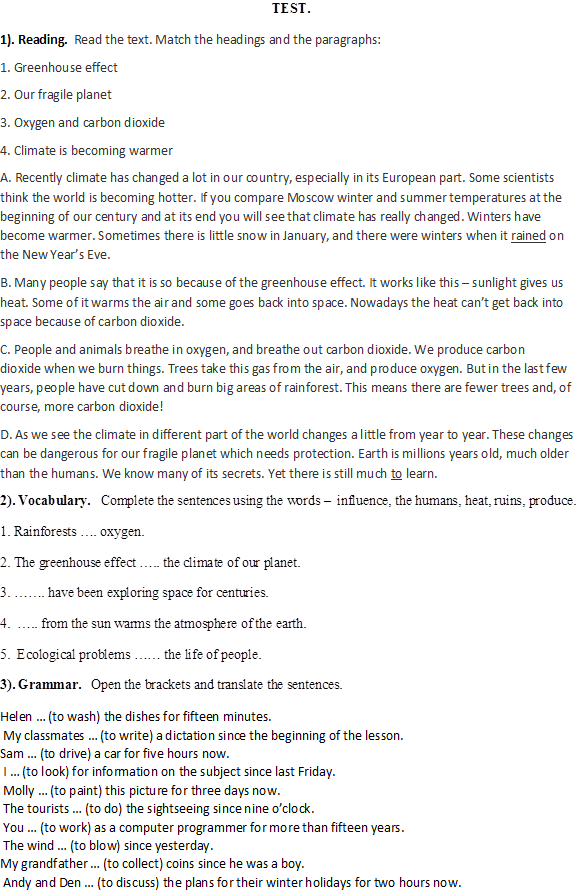
ЛЕКЦИОННЫЕ ЗАНЯТИЯ
ЛЕКЦИЯ № 15
Лингвистический материал по теме .
Лексика
1. Безопасность полета (Flight Safety)
- **Flight safety** – безопасность полета
- **Safety regulations** – правила безопасности
- **Emergency procedures** – экстренные процедуры
- **Pre-flight checks** – предполётные проверки
- **Crew training** – подготовка экипажа
- **Incident reporting** – сообщение о происшествиях
- **Risk assessment** – оценка рисков
- **Safety measures** – меры безопасности
2. Опасные грузы (Dangerous Goods)
- **Dangerous goods** – опасные грузы
- **Hazardous materials** – опасные материалы
- **Explosives** – взрывчатые вещества
- **Flammable liquids** – легковоспламеняющиеся жидкости
- **Toxic substances** – токсичные вещества
- **Radioactive materials** – радиоактивные материалы
- **Cargo declaration** – декларация груза
- **Packaging requirements** – требования к упаковке
3. Терроризм (Terrorism)
- **Terrorism** – терроризм
- **Security threat** – угроза безопасности
- **Terrorist attack** – террористическая атака
- **Screening process** – процесс проверки
- **Passenger profiling** – профилирование пассажиров
- **Explosive detection** – обнаружение взрывчатых веществ
- **Counter-terrorism measures** – меры противодействия терроризму
- **Intelligence sharing** – обмен разведывательной информацией
Грамматические конструкции
1. Модальные глаголы
Используйте модальные глаголы для обсуждения правил и обязательств:
- **Must**: All passengers must undergo security screening before boarding.
- **Should**: Airlines should provide training on handling dangerous goods.
- **Can**: Security personnel can search luggage if they suspect dangerous items.
2. Условные предложения
Используйте условные предложения для обсуждения сценариев:
- If a dangerous item is found, the flight will be delayed.
- If the security measures are not followed, there could be serious consequences.
3. Passive voice (Пассивный залог)
Используйте пассивный залог для описания действий:
- Dangerous goods are prohibited on passenger flights.
- Security checks are conducted at all airports.
Примеры предложений
1. Flight safety is a top priority for airlines around the world.
2. All crew members must be trained in emergency procedures to ensure passenger safety.
3. Dangerous goods must be declared before shipping to avoid accidents.
4. The screening process is essential for identifying potential security threats.
5. Counter-terrorism measures have been strengthened at major airports following recent attacks.
Exercises
Exercise 1: Заполните пропуски
Заполните пропуски подходящими словами из списка: **safety, cargo, threat, training, regulations**.
1. The airline must comply with international __________ regarding dangerous goods.
2. Proper __________ is essential for all flight crew members.
3. A significant __________ to aviation security is terrorism.
4. All __________ must be declared before being loaded onto the aircraft.
5. Flight __________ is crucial for ensuring the well-being of passengers.
Exercise 2: Переведите на английский
Переведите следующие предложения на английский язык:
1. Безопасность полетов требует строгого соблюдения правил.
2. Опасные грузы должны быть правильно упакованы и задекларированы.
3. Террористические атаки представляют собой серьезную угрозу для авиации.
4. Процесс проверки пассажиров стал более строгим после недавних инцидентов.
5. Экипаж должен быть готов к любым экстренным ситуациям.
Topic № 16: Aviation Hazards
Text
Aviation hazards refer to any condition or event that poses a risk to the safety of flight operations. These hazards can be categorized into various types, including environmental, mechanical, human factors, and procedural issues.
**Environmental hazards** include weather conditions such as thunderstorms, fog, and icing. These conditions can significantly affect visibility and aircraft performance. For instance, flying through a thunderstorm can lead to turbulence and lightning strikes, which can be dangerous for pilots and passengers.
**Mechanical hazards** involve failures in aircraft systems or components. Regular maintenance and inspections are crucial to ensuring that all parts of the aircraft function correctly. A failure in the engine or navigation system can lead to catastrophic consequences.
**Human factors** play a significant role in aviation safety. Pilot error, fatigue, and miscommunication among crew members can lead to accidents. Training and simulation exercises help mitigate these risks by preparing pilots for various scenarios.
**Procedural issues** arise when standard operating procedures are not followed. This can include improper pre-flight checks or failure to adhere to air traffic control instructions. Adhering to established protocols is essential for maintaining safety in aviation.
Overall, understanding and addressing these aviation hazards is critical for ensuring the safety of all flight operations.
Vocabulary
1. **Hazard** – опасность
2. **Condition** – условие
3. **Event** – событие
4. **Risk** – риск
5. **Environmental** – экологический
6. **Mechanical** – механический
7. **Human factors** – человеческие факторы
8. **Procedure** – процедура
9. **Visibility** – видимость
10. **Turbulence** – турбулентность
11. **Maintenance** – техническое обслуживание
12. **Accident** – несчастный случай
13. **Protocol** – протокол
Exercises
Exercise 1: Заполнение пропусков
Заполните пропуски подходящими словами из словаря:
1. Poor weather conditions can create a significant __________ for pilots.
2. Regular __________ of aircraft components is essential for safety.
3. __________ such as fatigue can lead to pilot errors.
4. Following established __________ is crucial for preventing accidents.
5. Turbulence during flight can affect __________ and comfort.
Exercise 2: Вопросы для обсуждения
Ответьте на следующие вопросы:
1. What are some common environmental hazards that pilots face?
2. How can mechanical failures be prevented in aviation?
3. Why are human factors considered a major risk in aviation safety?
4. What procedures should pilots follow before takeoff to ensure safety?
5. Can you think of an example where a failure to follow procedures led to an aviation accident?
Exercise 3: Напишите краткий текст
Напишите краткий текст (100-150 слов) о том, как вы можете помочь уменьшить авиационные опасности в вашей профессиональной деятельности или как будущий специалист в области авиации.
Topic № 17: Flight Safety
Text
Flight safety refers to the measures and protocols in place to ensure the safe operation of aircraft. It encompasses various aspects, including pilot training, aircraft maintenance, air traffic control, and emergency procedures.
**Pilot training** is crucial for ensuring that pilots are prepared to handle various situations. This includes regular simulator sessions to practice emergency scenarios, such as engine failure or severe weather conditions. Well-trained pilots are better equipped to make quick and effective decisions during flights.
**Aircraft maintenance** is another vital component of flight safety. Regular inspections and servicing of aircraft help identify potential issues before they become serious problems. Maintenance crews follow strict guidelines to ensure that all systems are functioning correctly.
**Air traffic control (ATC)** plays a significant role in maintaining safety in the skies. ATC provides instructions to pilots regarding takeoff, landing, and in-flight navigation. Effective communication between pilots and air traffic controllers is essential for preventing collisions and ensuring smooth operations.
**Emergency procedures** are established protocols that pilots and crew must follow in case of an unexpected event, such as cabin depressurization or fire. Familiarity with these procedures can significantly enhance the chances of a safe outcome in emergencies.
In conclusion, flight safety is a comprehensive approach involving training, maintenance, communication, and preparedness to minimize risks and protect passengers and crew.
Vocabulary
1. **Safety** – безопасность
2. **Measures** – меры
3. **Protocols** – протоколы
4. **Pilot training** – подготовка пилотов
5. **Maintenance** – обслуживание
6. **Air traffic control (ATC)** – управление воздушным движением
7. **Emergency procedures** – аварийные процедуры
8. **Simulator** – симулятор
9. **Inspection** – проверка
10. **Communication** – связь
11. **Collisions** – столкновения
12. **Preparedness** – готовность
Exercises
Exercise 1: Fill in the Blanks
Fill in the blanks with the appropriate words from the vocabulary list:
1. Regular __________ of aircraft helps to identify potential problems.
2. Effective __________ between pilots and air traffic controllers is essential for safety.
3. Pilots undergo extensive __________ to handle emergencies.
4. Following established __________ can enhance safety during unexpected events.
5. A flight simulator is used for __________ training.
Exercise 2: Discussion Questions
Answer the following questions:
1. Why is pilot training important for flight safety?
2. How can regular maintenance prevent accidents?
3. What role does air traffic control play in ensuring safe flights?
4. Can you describe a situation where emergency procedures might be necessary?
5. In your opinion, what is the most critical aspect of flight safety? Why?
Exercise 3: Write a Short Paragraph
Write a short paragraph (100-150 words) about a flight safety measure that you find particularly important and explain why it is crucial for safe air travel.
Topic № 18: Modal Verbs
Modal verbs are auxiliary verbs that express necessity, possibility, permission, or ability. They are used alongside the base form of the main verb and do not change form according to the subject. Here are some common modal verbs and their uses:
1. **Can**: Indicates ability or possibility.
- Example: She **can** speak three languages.
2. **Could**: Indicates past ability or a polite request.
- Example: When I was younger, I **could** run fast.
3. **May**: Indicates permission or possibility.
- Example: You **may** leave the room now.
4. **Might**: Indicates a weaker possibility.
- Example: It **might** rain later.
5. **Must**: Indicates necessity or strong obligation.
- Example: You **must** wear a seatbelt while driving.
6. **Should**: Indicates advice or recommendation.
- Example: You **should** see a doctor if you feel unwell.
7. **Shall**: Used for suggestions or offers (more common in British English).
- Example: **Shall** we go for a walk?
8. **Will**: Indicates future intention or promise.
- Example: I **will** help you with your homework.
Exercises
Exercise 1: Fill in the Blanks
Fill in the blanks with the appropriate modal verb from the list below:
1. You __________ finish your project by Friday. (must)
2. She __________ play the piano beautifully when she was a child. (could)
3. We __________ go to the beach tomorrow if the weather is nice. (might)
4. __________ I borrow your pen, please? (may)
5. You __________ try this new restaurant; it’s fantastic! (should)
Exercise 2: Choose the Correct Modal Verb
Choose the correct modal verb to complete each sentence:
1. You __________ (can/must) take an umbrella; it looks like rain.
2. He __________ (may/can) come to the party if he finishes his work.
3. We __________ (should/could) start studying for the exam now.
4. I __________ (might/should) go to the concert if I can get tickets.
5. You __________ (must/could) ask for help if you don’t understand.
Exercise 3: Rewrite the Sentence
Rewrite the following sentences using the modal verbs provided in parentheses:
1. It is necessary for you to submit your assignment on time. (must)
- You __________ submit your assignment on time.
2. It is possible that she will join us later. (might)
- She __________ join us later.
3. It is a good idea for you to exercise regularly. (should)
- You __________ exercise regularly.
4. He has the ability to solve complex problems. (can)
- He __________ solve complex problems.
5. Is it okay for me to use your phone? (may)
- __________ I use your phone?
Exercise 4: Discussion Questions
Answer the following questions using modal verbs:
1. What should people do to stay healthy?
2. What can you do to improve your English skills?
3. What might happen if you don’t study for an exam?
4. What must you do before traveling to another country?
5. What could you do to help someone in need?
Topic № 19: Defining Relative Clauses
Defining relative clauses are used to give essential information about a noun in a sentence. They help to define or identify the noun more clearly. These clauses usually begin with relative pronouns such as who, which, that, or whose.
Examples:
1. The book that you lent me was fascinating.
2. The woman who lives next door is a doctor.
3. The car which I bought last year is already having problems.
4. The student whose project won the award is very talented.
In defining relative clauses, we do not use commas because the information provided is crucial to understanding the sentence.
Exercises
Exercise 1: Fill in the Blanks
Complete the sentences using the correct relative pronoun (who, which, that, or whose):
1. The teacher _____ taught us last year is very strict.
2. I have a friend _____ loves to travel.
3. This is the movie _____ won the Oscar for Best Picture.
4. The artist ______ painting is on display is very famous.
5. The house ______ we used to live in has been sold.
Exercise 2: Combine the Sentences
Combine the following pairs of sentences using a defining relative clause:
1. I met a girl. She is from Brazil.
• I met a girl .
2. The book is on the table. It is mine.
• The book is mine.
3. He is the person. He helped me with my project.
• He is the person .
4. This is the restaurant. We had dinner there last night.
• This is the restaurant .
5. The dog barks loudly. It belongs to my neighbor.
• The dog belongs to my neighbor.
Exercise 3: Identify and Correct
Read the sentences below and identify if they correctly use defining relative clauses. If not, correct them:
1. The man, who works at the bank, helped me with my loan.
2. The book that you recommended was amazing.
3. She is the artist which painted that mural.
4. The students whose grades improved are very happy.
5. This is the car, which I bought last month.
Exercise 4: Create Your Own Sentences
Write your own sentences using defining relative clauses based on the prompts below:
1. A friend who (describe something interesting about them).
2. A place that (describe a place you love).
3. An object which (describe an object you use daily).
4. A person whose (describe a person you admire).
5. A movie that (describe a movie you enjoyed).
Exercise 5: Discussion Questions
Answer the following questions using defining relative clauses:
1. What qualities do you look for in friends?
2. Describe a memorable trip that you took.
3. What is a skill that you want to learn in the future?
4. Who is someone that inspires you?
5. What is a book that has influenced your life?
Topic № 20: Emergency Landing
Text
An emergency landing occurs when an aircraft must land unexpectedly due to a problem that poses a risk to the safety of the passengers and crew. This could be due to mechanical failure, adverse weather conditions, or medical emergencies on board.
When a pilot decides to make an emergency landing, they follow specific procedures to ensure the safety of everyone on board. First, the pilot communicates with air traffic control to inform them of the situation and request permission to land at the nearest airport. The crew prepares the passengers for landing by providing safety instructions and securing the cabin.
During an emergency landing, the crew must remain calm and focused. They may need to perform additional safety checks and prepare for a possible evacuation after landing. Passengers are advised to follow the crew's instructions carefully and brace for impact if necessary.
Emergency landings can be stressful, but pilots are trained to handle such situations effectively. Most emergency landings are successful, and passengers often return home safely.
Vocabulary
1. Emergency - экстренный
2. Landing - посадка
3. Aircraft - самолет
4. Pilot - пилот
5. Air traffic control - управление воздушным движением
6. Mechanical failure - механическая неисправность
7. Adverse weather conditions - неблагоприятные погодные условия
8. Evacuation - эвакуация
9. Cabin - салон (самолета)
10. Brace for impact - приготовиться к удару
Exercises
Exercise 1: Fill in the Blanks
Complete the sentences using the words from the vocabulary list:
1. The _____ informed the passengers about the emergency landing.
2. A sudden _______ in the engine forced the pilot to make an emergency landing.
3. Passengers should always listen to the ___________ during a flight.
4. The___________ of the plane was very smooth despite the circumstances.
5. In case of an emergency, it is important to know how to perform an__________ .
Exercise 2: True or False
Read the statements below and write "True" or "False":
1. An emergency landing is always dangerous.
2. Pilots are trained to handle emergency situations.
3. Passengers should ignore crew instructions during an emergency.
4. Emergency landings can be caused by weather issues.
5. Most emergency landings end with a safe outcome for passengers.
Exercise 3: Answer the Questions
Answer the following questions in complete sentences:
1. What steps do pilots take when making an emergency landing?
2. Why is it important for passengers to stay calm during an emergency?
3. What types of situations might lead to an emergency landing?
4. How do crew members prepare passengers for an emergency landing?
5. Can you think of any famous incidents involving emergency landings?
Exercise 4: Create a Dialogue
Create a short dialogue between a pilot and a co-pilot discussing an emergency landing situation. Use at least five vocabulary words from the list.
Exercise 5: Writing Prompt
Write a short paragraph describing what you would do if you were a passenger on a flight that had to make an emergency landing. Include your feelings and actions during the situation.
Topic № 21 Выполнение лексико-грамматических упражнений по теме "Безопасность полётов" на английском языке.
Exercise 1: Заполнение пропусков
Заполните пропуски подходящими словами из списка:
Слова для заполнения: safety, turbulence, emergency, crew, regulations, flight attendant, secure, boarding, passengers, equipment.
1. The _ is responsible for ensuring that all safety procedures are followed during the flight.
2. Before takeoff, the _ must be properly stowed and secured.
3. During the flight, the pilot may announce that there will be some _ due to weather conditions.
4. All _ must follow the instructions given by the flight crew.
5. It is important to review the safety _ before each flight.
Exercise 2: Выбор правильного варианта
Выберите правильный вариант из предложенных:
1. The pilot must (follow / follows) all safety protocols during the flight.
2. Passengers (should / shouldn’t) use their phones during takeoff and landing.
3. In case of an (emergency / emergencies), the crew will instruct passengers on what to do.
4. The (turbulence / turbulence's) can be uncomfortable but is usually not dangerous.
5. All (equipment / equipments) must be checked before the flight to ensure safety.
Exercise 3: Переведите на английский
Переведите следующие предложения на английский язык:
1. Пассажиры должны пристегнуть ремни безопасности во время взлета и посадки.
2. Экипаж проводит инструктаж по безопасности перед полетом.
3. В случае экстренной ситуации необходимо следовать указаниям бортпроводников.
4. Неблагоприятные погодные условия могут привести к турбулентности.
5. Все оборудование должно быть проверено перед вылетом.
Exercise 4: Найдите ошибки
Найдите и исправьте ошибки в следующих предложениях:
1. The flight attendants are trained to handle emergency situations very well.
2. Passengers must not using their seatbelts during takeoff and landing.
3. The pilot follows the safety regulations carefully.
4. Turbulence are common during flights.
5. Every passenger should listen to the crew instructions.
Exercise 5: Напишите предложения
Напишите предложения, используя следующие слова:
1. safety
2. crew
3. emergency
4. turbulence
5. boarding
Topic № 22: Dangerous Goods
Text
Dangerous goods, also known as hazardous materials, are substances that pose a risk to health, safety, property, or the environment. These materials can be found in various forms, including solids, liquids, and gases. Common examples of dangerous goods include chemicals, explosives, flammable substances, and radioactive materials.
Transporting dangerous goods requires strict adherence to regulations to ensure safety. The International Air Transport Association (IATA) and the United Nations (UN) have established guidelines for the safe handling and transportation of these materials. Proper labeling, packaging, and documentation are essential to prevent accidents during transport.
Before shipping dangerous goods, it is crucial to identify the type of material and assess the risks involved. This includes understanding the properties of the substance, such as its flammability, toxicity, and reactivity. Companies that handle dangerous goods must train their employees in safety protocols and emergency response procedures.
In case of an accident involving dangerous goods, immediate action is necessary. Emergency responders must be informed about the type of material involved to take appropriate measures. It is vital to have spill containment kits and safety equipment readily available to minimize the impact of any incident.
Vocabulary
1. Hazardous - опасный
2. Substance - вещество
3. Transport - транспортировка
4. Regulations - правила
5. Labeling - маркировка
6. Packaging - упаковка
7. Documentation - документация
8. Flammable - легковоспламеняющийся
9. Toxic - токсичный
10. Emergency - экстренная ситуация
Exercises
Exercise 1: Заполнение пропусков
Заполните пропуски подходящими словами из списка:
Слова для заполнения: hazardous, transport, labeling, toxic, emergency.
1. Dangerous goods are often classified as _ materials.
2. Proper _ is essential for identifying dangerous goods during transport.
3. Companies must follow strict _ when shipping hazardous materials.
4. Some substances can be _ and pose a risk to human health.
5. In case of an _ involving dangerous goods, quick action is required.
Exercise 2: Выбор правильного варианта
Выберите правильный вариант из предложенных:
1. The (transportation / transporting) of dangerous goods requires special precautions.
2. Employees must be trained in (safety / safely) procedures.
3. Proper (packaging / package) helps prevent accidents during transport.
4. Emergency responders need to know the (type / types) of hazardous materials involved in an incident.
5. (Flammable / Flammability) substances can ignite easily when exposed to heat.
Exercise 3: Переведите на английский
Переведите следующие предложения на английский язык:
1. Опасные грузы требуют строгого соблюдения правил безопасности.
2. Перед отправкой необходимо правильно упаковать опасные материалы.
3. Все сотрудники должны проходить обучение по протоколам безопасности.
4. В случае утечки необходимо немедленно вызвать экстренные службы.
5. Маркировка опасных грузов помогает избежать несчастных случаев.
Exercise 4: Найдите ошибки
Найдите и исправьте ошибки в следующих предложениях:
1. Dangerous goods must be transport with care.
2. The regulations for hazardous materials are very importance.
3. All employee should know how to respond in case of emergency.
4. Flammable substances can be safely handled if proper precautions are taken.
5. The labeling of dangerous goods are essential for safety.
Exercise 5: Напишите предложения
Напишите предложения, используя следующие слова:
1. hazardous
2. transport
3. safety
4. emergency
5. packaging
Topic № 23: Terrorism and Security Measures
Text
Terrorism is the unlawful use of violence and intimidation, especially against civilians, to achieve political or ideological goals. It poses a significant threat to global security and stability. Terrorist acts can take many forms, including bombings, shootings, and cyberattacks. The impact of terrorism extends beyond immediate casualties; it creates fear, disrupts communities, and affects economies.
Governments around the world have implemented various security measures to prevent terrorist activities. These measures include increased surveillance, intelligence sharing among countries, and the use of advanced technology to detect potential threats. Airports and public transportation systems often have heightened security protocols, such as baggage checks and passenger screenings.
Public awareness and preparedness are also crucial in combating terrorism. Citizens are encouraged to report suspicious activities and remain vigilant in their surroundings. Community programs that promote understanding and tolerance can help reduce the factors that contribute to radicalization.
Despite these efforts, challenges remain. Terrorists often adapt to new security measures, making it necessary for authorities to continuously update their strategies. International cooperation is essential in addressing the root causes of terrorism and promoting peace.
Vocabulary
1. Terrorism - терроризм
2. Intimidation - запугивание
3. Threat - угроза
4. Surveillance - наблюдение
5. Intelligence - разведка
6. Security - безопасность
7. Preparedness - готовность
8. Radicalization - радикализация
9. Cooperation - сотрудничество
10. Community - сообщество
Exercises
Exercise 1: Заполнение пропусков
Заполните пропуски подходящими словами из списка:
Слова для заполнения: terrorism, threat, surveillance, cooperation, community.
1. _ is a major issue that affects global security.
2. Increased _ can help identify potential terrorist activities.
3. Building a strong _ is essential for preventing radicalization.
4. Countries must work together in _ to combat terrorism.
5. The _ of terrorism creates fear among civilians.
Exercise 2: Выбор правильного варианта
Выберите правильный вариант из предложенных
1. Terrorist acts often involve (violence / violent) against innocent people.
2. Governments must improve (security / secure) measures at public places.
3. Public (awareness / aware) is vital in preventing terrorist attacks.
4. (Intelligence / Intelligent) sharing among nations can enhance safety.
5. Radicalization can lead to (extremist / extreme) behavior.
Exercise 3: Переведите на английский
Переведите следующие предложения на английский язык:
1. Терроризм создает угрозу для безопасности общества.
2. Люди должны быть готовыми реагировать на подозрительные действия.
3. Сотрудничество между странами необходимо для борьбы с терроризмом.
4. Повышенные меры безопасности часто применяются в аэропортах.
5. Радикализация может происходить в результате социального давления.
Exercise 4: Найдите ошибки
Найдите и исправьте ошибки в следующих предложениях:
1. Terrorism are a complex issue that affects many countries.
2. The government has implement new security measures recently.
3. Public must be more aware about their surroundings.
4. Intelligence sharing is important for prevent terrorist attacks.
5. Community programs help to reduce radicalization factors.
Exercise 5: Напишите предложения
Напишите предложения, используя следующие слова:
1. terrorism
2. surveillance
3. preparedness
4. cooperation
5. intimidation
Topic № 24: Crew and Dispatcher Actions in Case of Hijacking
Text
Hijacking is a serious threat to aviation security, where an aircraft is unlawfully seized by individuals with malicious intent. In such situations, both the crew and air traffic controllers play crucial roles in managing the crisis.
When a hijacking occurs, the flight crew must remain calm and follow established protocols. Their primary responsibility is to ensure the safety of passengers and themselves. They may attempt to communicate discreetly with the hijackers to assess their demands while keeping passengers unaware of the situation to prevent panic.
Simultaneously, the dispatcher on the ground must be alerted immediately. The dispatcher will coordinate with law enforcement and emergency services, providing them with vital information about the flight, such as its location, number of passengers, and any known details about the hijackers. This information is crucial for planning a safe response.
Air traffic control plays a significant role in managing the aircraft's flight path. They may guide the pilot to a safe landing location while ensuring that other flights are diverted to avoid any potential danger. Communication between the crew and air traffic control is essential, as it allows for real-time updates and strategic decision-making.
In summary, effective communication and adherence to protocols are key in managing a hijacking situation. Training and preparedness can significantly enhance the crew's ability to handle such crises while ensuring passenger safety.
Vocabulary
1. Hijacking - захват
2. Crew - экипаж
3. Dispatcher - диспетчер
4. Protocol - протокол
5. Safety - безопасность
6. Communication - связь
7. Emergency - экстренный случай
8. Law enforcement - правоохранительные органы
9. Flight path - маршрут полета
10. Panic - паника
Exercises
Exercise 1: Заполнение пропусков
Заполните пропуски подходящими словами из списка:
Слова для заполнения: hijacking, crew, protocol, safety, communication.
1. In case of a , the flight must follow specific procedures.
2. Ensuring passenger _ is the top priority during a crisis.
3. Effective _ between the crew and air traffic control is essential.
4. The _ outlines the steps to take in emergency situations.
5. The _ must remain calm to manage the situation effectively.
Exercise 2: Выбор правильного варианта
Выберите правильный вариант из предложенных:
1. The main goal during a hijacking is to ensure (safety / safe) for all passengers.
2. The (dispatcher / dispater) coordinates with law enforcement during emergencies.
3. (Communication / Communicate) between the crew and ground control is vital.
4. The crew must follow established (protocols / protocoles) during a hijacking.
5. Passengers should remain calm to avoid (panic / panicking).
Exercise 3: Переведите на английский
Переведите следующие предложения на английский язык:
1. В случае захвата самолета экипаж должен оставаться спокойным.
2. Диспетчер немедленно уведомляется о ситуации.
3. Связь между экипажем и диспетчером имеет решающее значение.
4. Безопасность пассажиров является главной задачей.
5. Правоохранительные органы должны быть вовлечены в экстренные ситуации.
Exercise 4: Найдите ошибки
Найдите и исправьте ошибки в следующих предложениях:
1. The crew must follow the protocols to ensure safety of passengers.
2. Dispatcher has to alert police immediately in case of hijacking.
3. Communication are important during an emergency situation.
4. The hijacking is serious threat to aviation security.
5. Passengers should not panic if they see unusual behavior.
Exercise 5: Напишите предложения
Напишите предложения, используя следующие слова:
1. hijacking
2. crew
3. dispatcher
4. safety
5. communication
Topic № 25: Preventing Terrorism
Text
Terrorism is a global threat that affects many countries and communities. Preventing terrorism requires a multi-faceted approach that involves governments, law enforcement agencies, and the public.
One of the key strategies in preventing terrorism is intelligence gathering. Governments invest in intelligence agencies to monitor potential threats and identify individuals or groups planning attacks. This information is crucial for preemptive actions that can thwart terrorist activities before they occur.
Another important aspect is community engagement. Building trust between law enforcement and communities can help in identifying suspicious activities. Programs that promote dialogue and cooperation can empower citizens to report any unusual behavior or concerns, thus acting as the eyes and ears of the authorities.
Education also plays a vital role in preventing radicalization. By promoting tolerance, understanding, and respect for diversity, educational institutions can help counter extremist ideologies. Programs that focus on critical thinking and conflict resolution skills can provide young people with the tools they need to resist radical influences.
In summary, preventing terrorism requires collaboration among various sectors of society. Through intelligence sharing, community involvement, and education, we can create a safer environment for everyone.
Vocabulary
1. **Terrorism** - терроризм
2. **Preventing** - предотвращение
3. **Intelligence** - разведка
4. **Threat** - угроза
5. **Community** - сообщество
6. **Engagement** - вовлеченность
7. **Radicalization** - радикализация
8. **Extremist** - экстремист
9. **Tolerance** - терпимость
10. **Collaboration** - сотрудничество
Exercises
Exercise 1: Fill in the Blanks
Fill in the blanks with the appropriate words from the vocabulary list:
1. __________ is a significant issue that many countries face today.
2. Effective __________ gathering can help prevent terrorist attacks.
3. Building trust within the __________ can lead to better safety.
4. Educational programs should focus on promoting __________ and understanding.
5. __________ among different sectors is essential for effective prevention.
Exercise 2: Choose the Correct Option
Choose the correct option from the choices given:
1. The government invests in (intelligence / intelligence services) to monitor threats.
2. Community (engagement / disengagement) is crucial for identifying suspicious activities.
3. Education can help counter (extremist / extreme) ideologies.
4. Promoting (tolerance / intolerance) is vital in preventing radicalization.
5. Effective (collaboration / isolation) can enhance security measures.
Exercise 3: Translate to English
Translate the following sentences into English:
1. Предотвращение терроризма требует совместных усилий всех слоев общества.
2. Разведывательные службы играют важную роль в выявлении угроз.
3. Образование помогает молодежи противостоять радикальным идеям.
4. Вовлеченность сообщества способствует безопасности.
5. Терпимость и уважение к разнообразию важны для предотвращения экстремизма.
Exercise 4: Find the Mistakes
Find and correct the mistakes in the following sentences:
1. Terrorism are a global threat that affects many countries.
2. The community engagement are essential for identifying suspicious activities.
3. Education play a vital role in preventing radicalization.
4. Intelligence gathering helps to prevent terrorist attacks before they happen.
5. Collaboration between different agencies are necessary for effective prevention.
Exercise 5: Write Sentences
Write sentences using the following words:
1. **terrorism**
2. **intelligence**
3. **community**
4. **education**
5. **collaboration**
Exercise 6: Create a Dialogue
Create a short dialogue between a police officer and a community leader discussing how to prevent terrorism in their area. Use at least five words from the vocabulary list: terrorism, intelligence, community, engagement, education.
Topic № 26 Выполнение лексико-грамматических упражнений
Exercise 1: Заполните пропуски
Заполните пропуски подходящими словами из списка: **drone, operation, pilot, altitude, surveillance**.
1. A __________ is an unmanned aerial vehicle that can be controlled remotely.
2. The main __________ of the drone is to collect data from the air.
3. A qualified __________ is essential for the safe operation of UAVs.
4. Drones can operate at various __________ levels depending on their mission.
5. One of the key uses of drones is in __________ for monitoring and reconnaissance.
Exercise 2: Выберите правильный вариант
Выберите правильный вариант из предложенных:
1. The drone (is flying / are flying) at a high altitude.
2. Remote (pilot / piloting) skills are crucial for operating UAVs effectively.
3. The primary (function / functions) of drones include surveillance and delivery.
4. Many companies are (developing / develop) new technologies for drone operation.
5. Drones (can / must) be registered before they are used commercially.
Exercise 3: Переведите на английский
Переведите следующие предложения на английский язык:
1. Беспилотные летательные аппараты используются для наблюдения за территорией.
2. Высота полета дронов может варьироваться в зависимости от задачи.
3. Пилоты дронов должны пройти специальное обучение.
4. Операция с дронами требует соблюдения определенных правил безопасности.
5. Новые технологии улучшают эффективность эксплуатации беспилотников.
Exercise 4: Найдите ошибки
Найдите и исправьте ошибки в следующих предложениях:
1. Drones is used for various applications in agriculture and surveillance.
2. The pilot must ensure that the drone are operating within legal limits.
3. High altitude flying can cause issues with battery life.
4. Many countries has regulations regarding drone usage.
5. The operator need to monitor the drone's performance constantly.
Exercise 5: Составьте предложения
Составьте предложения, используя следующие слова:
1. **drone**
2. **operation**
3. **surveillance**
4. **technology**
5. **data**

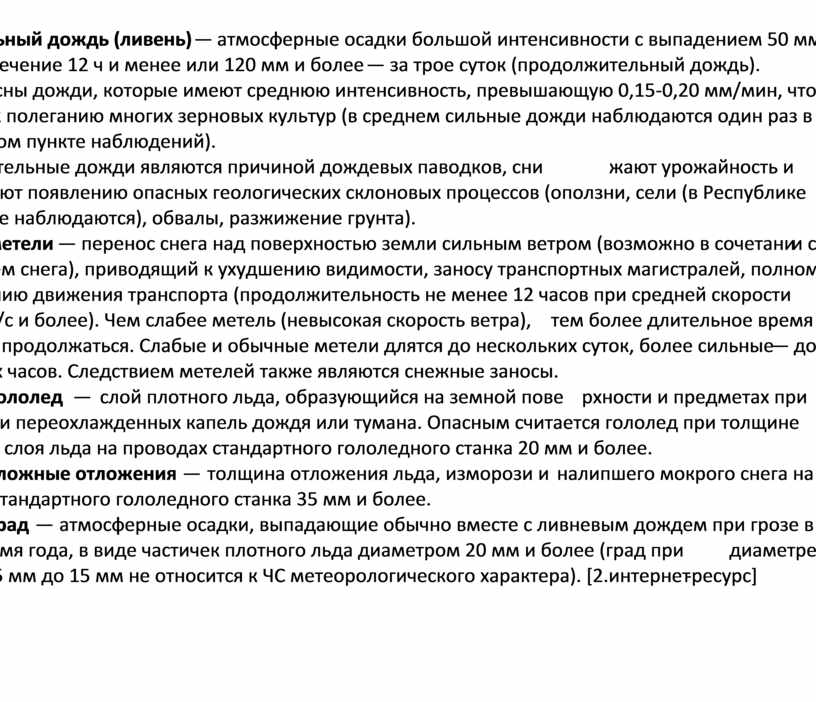
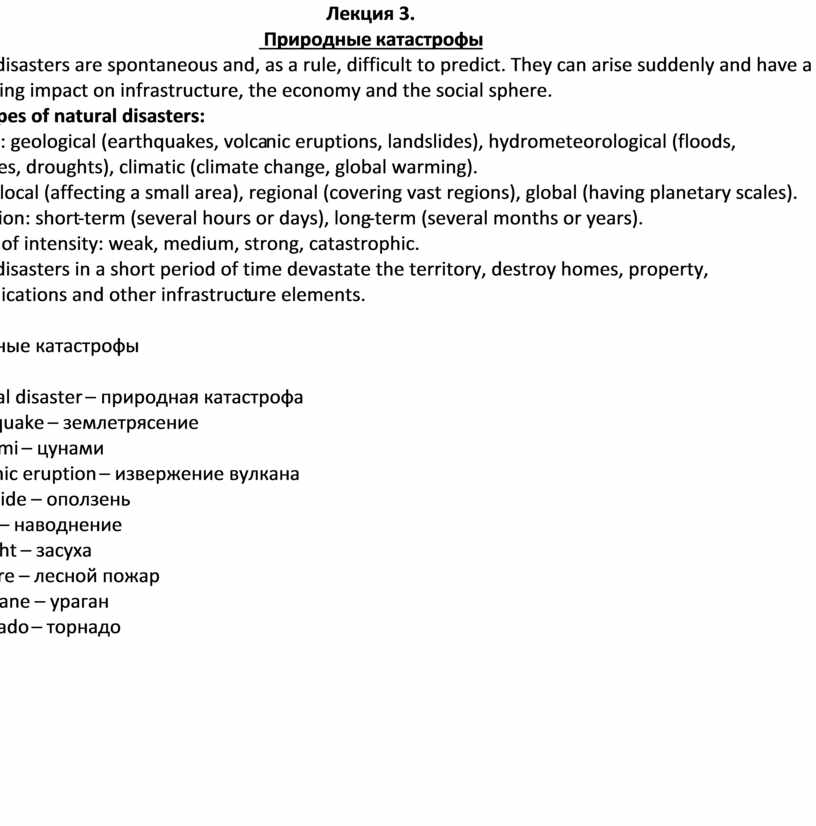
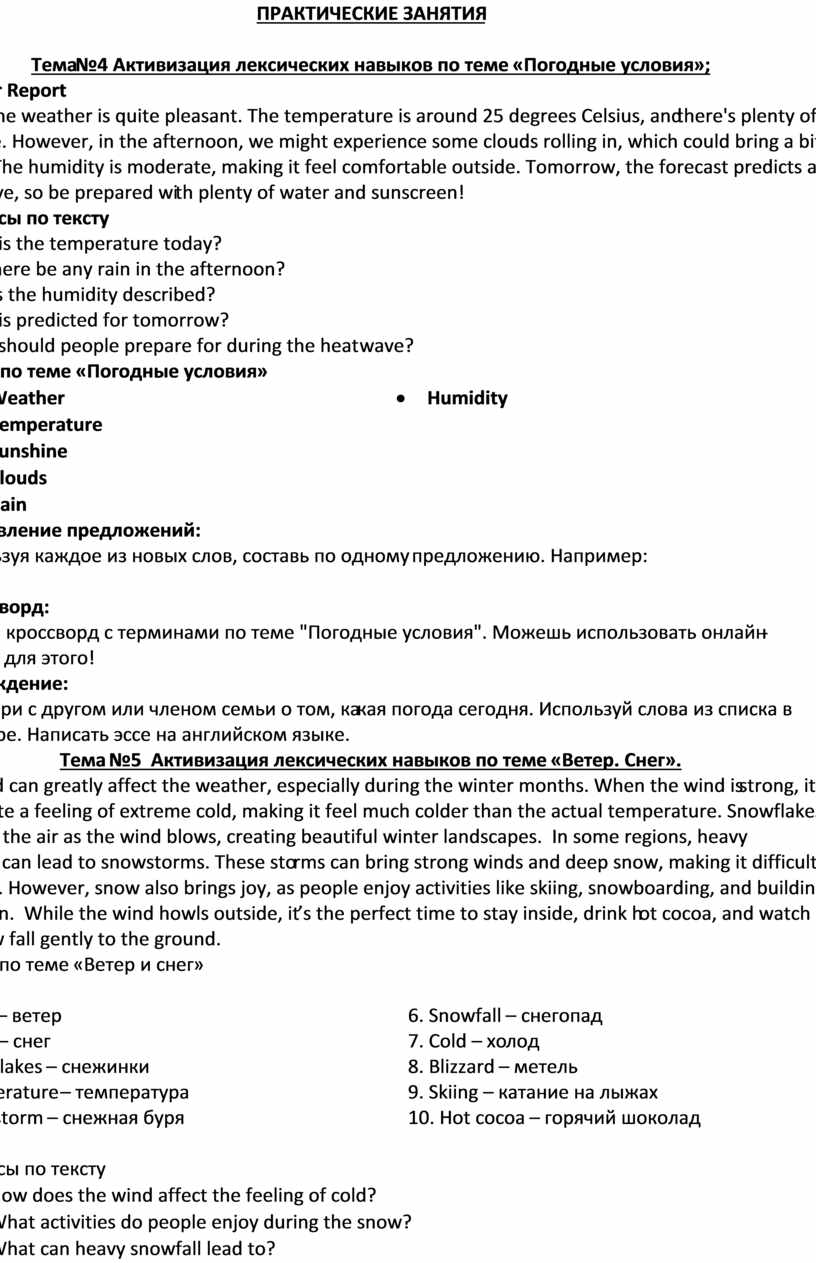
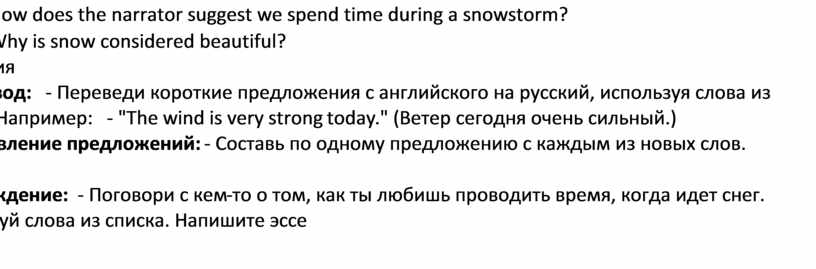
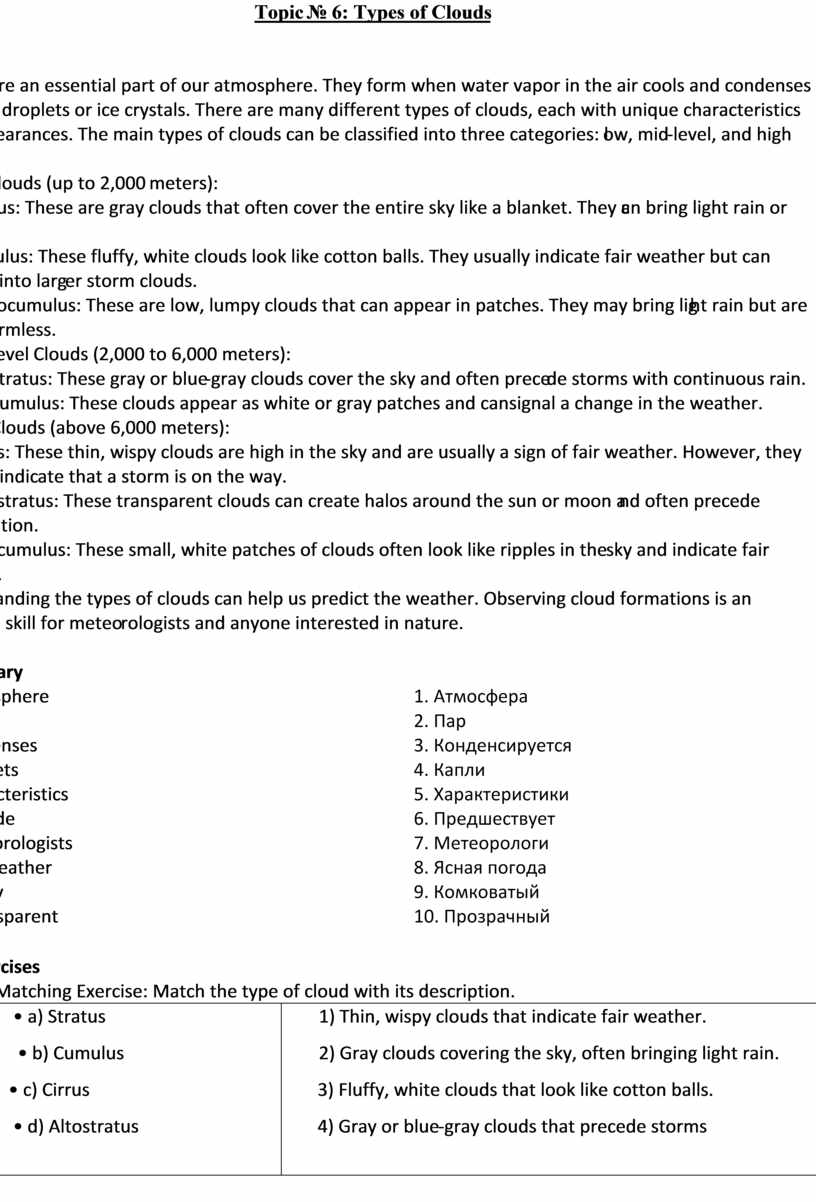

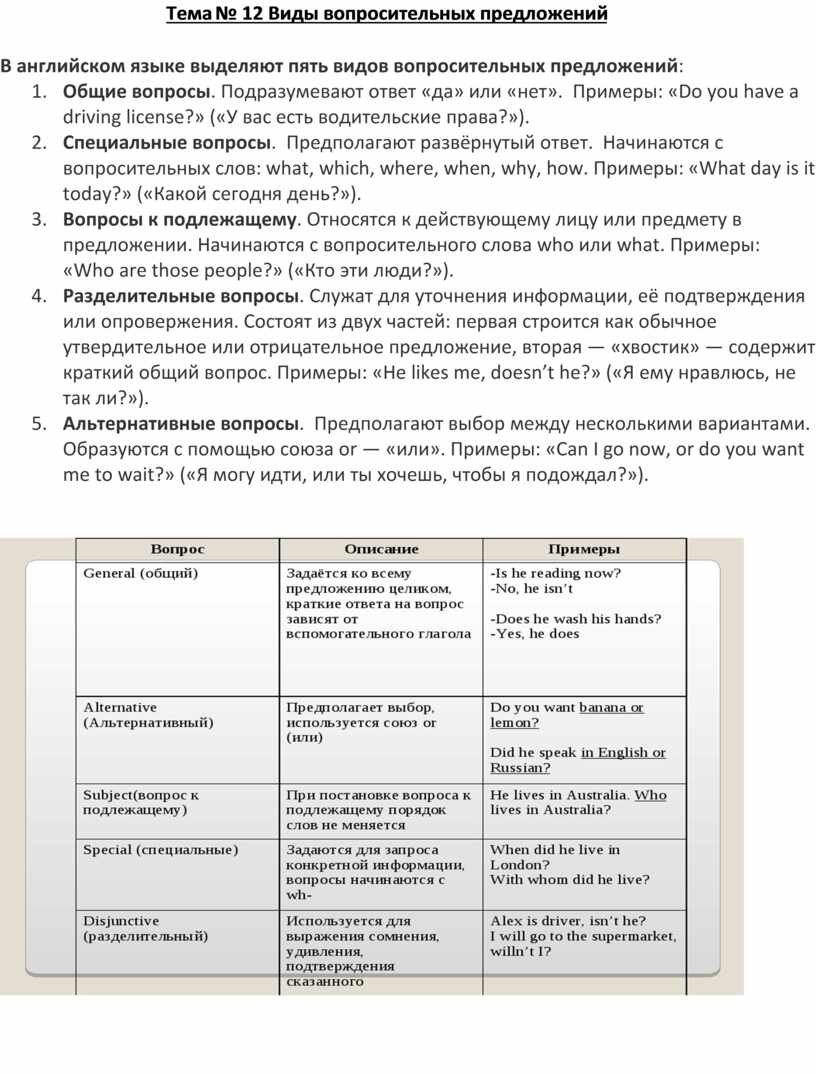
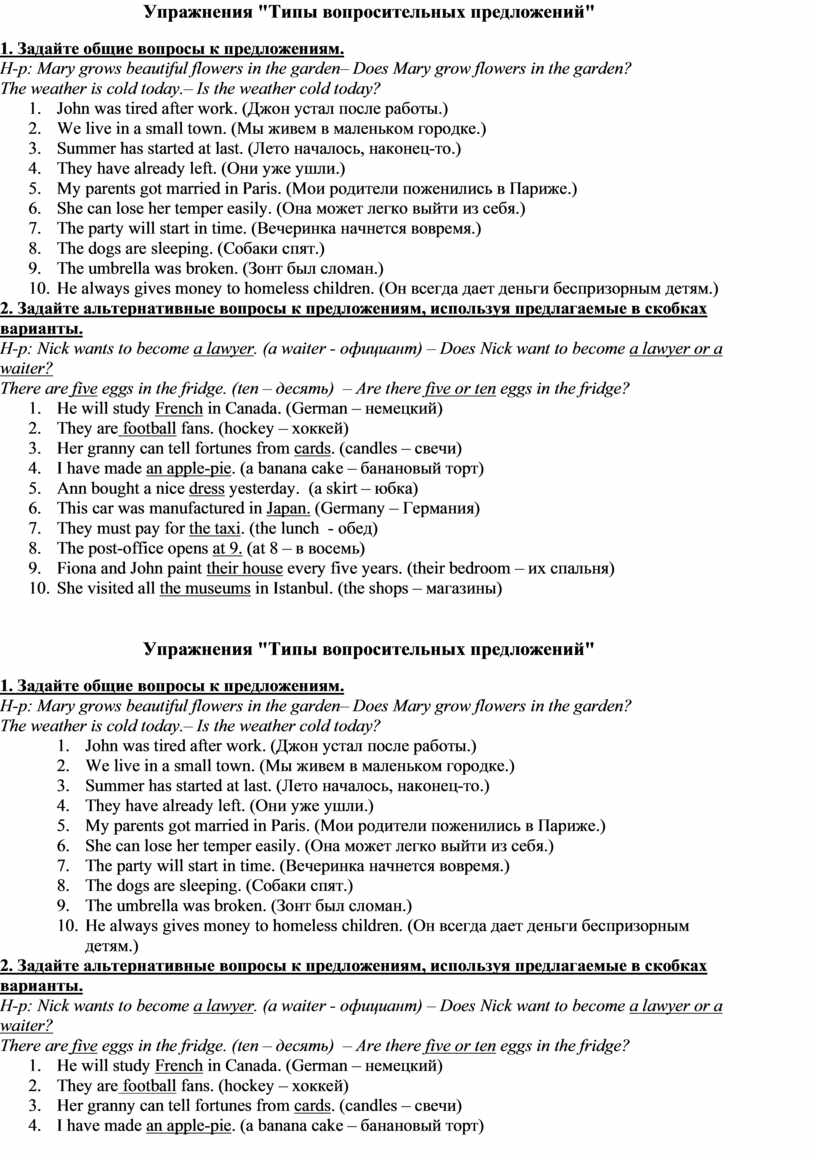
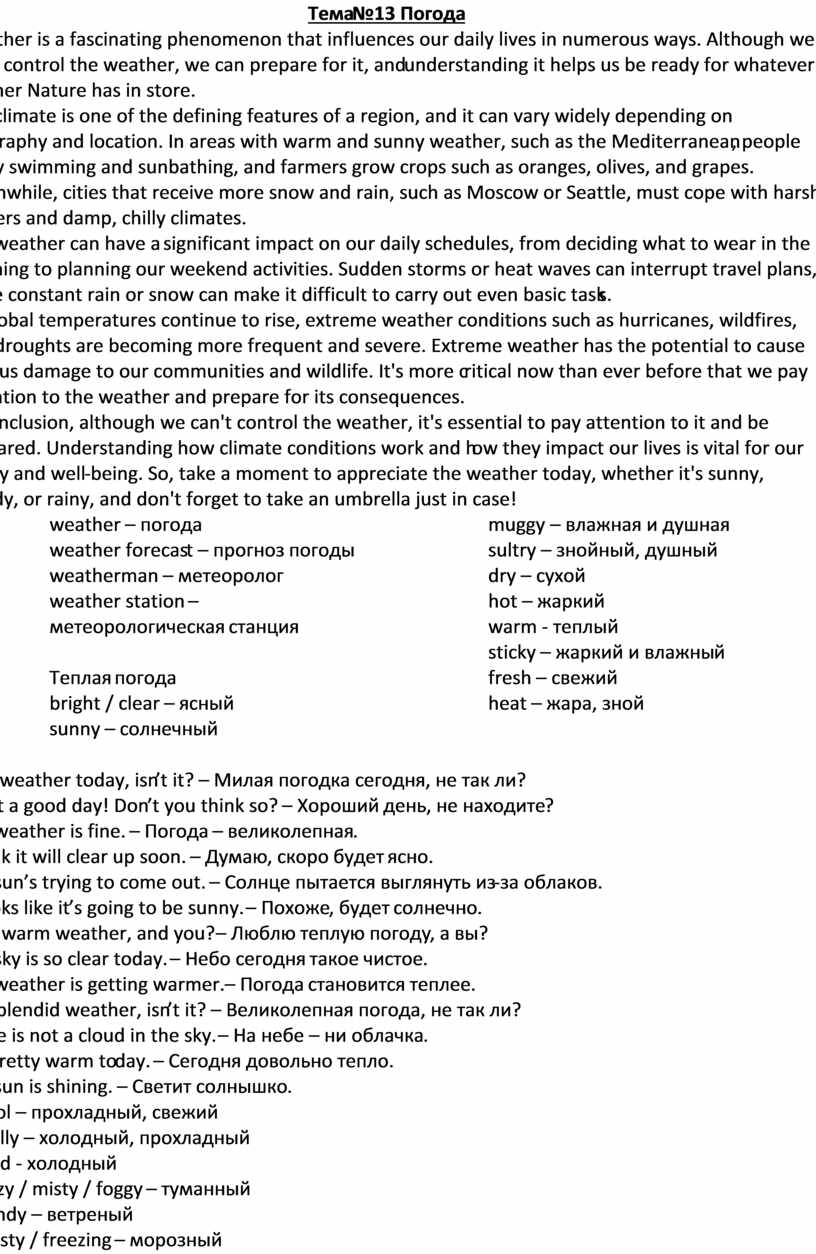
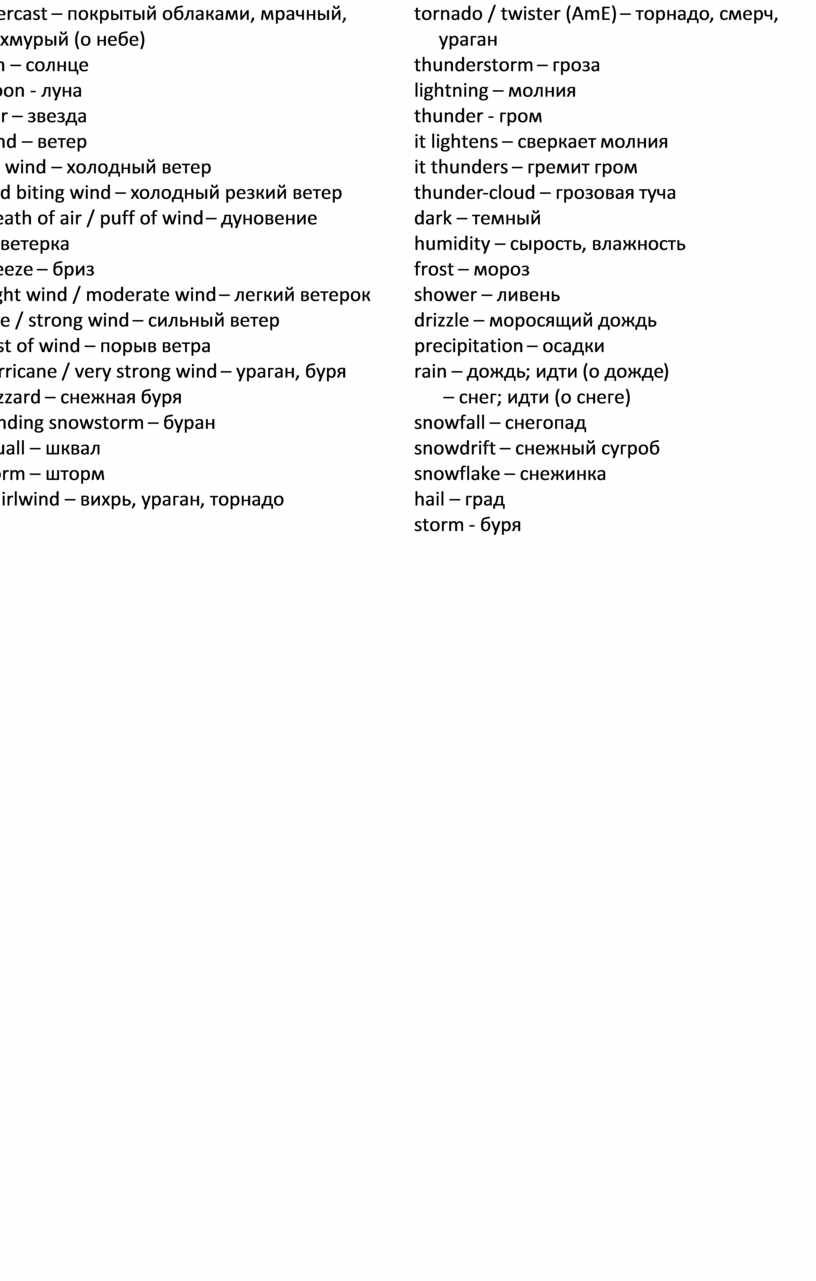
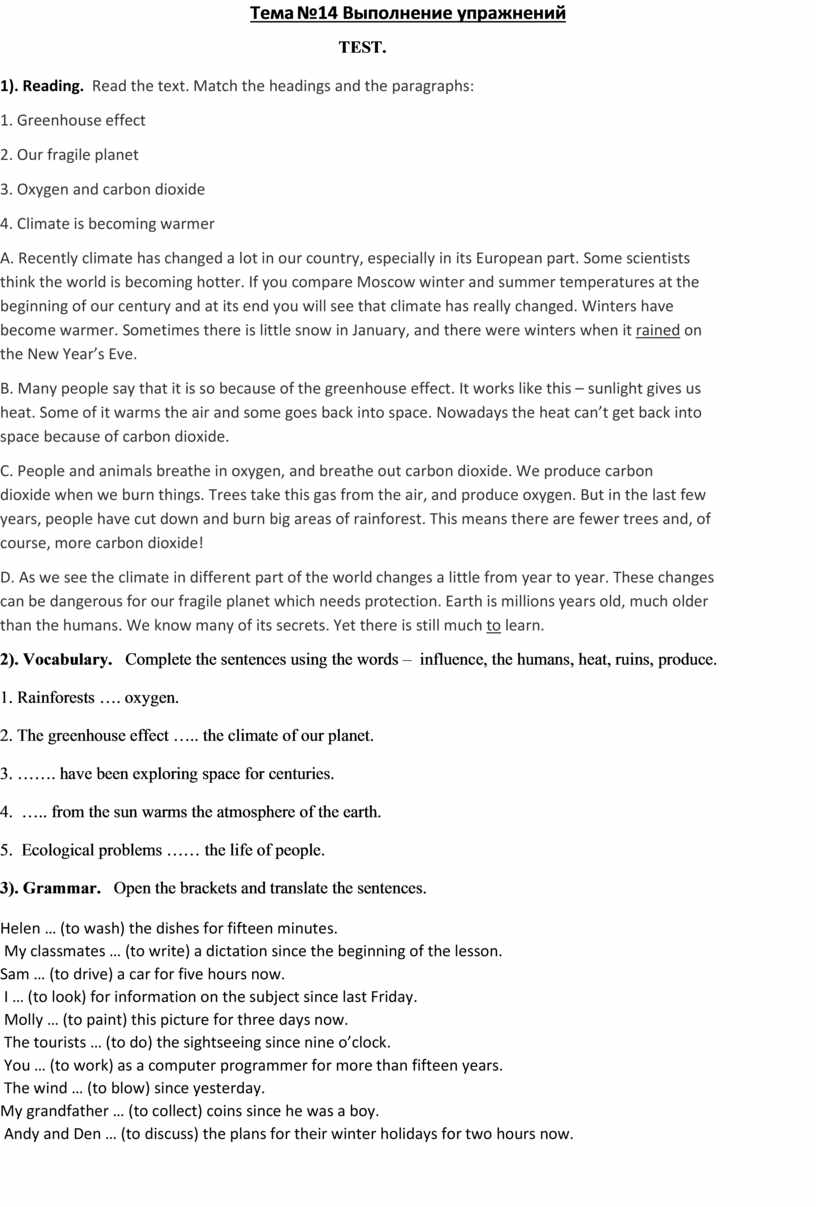
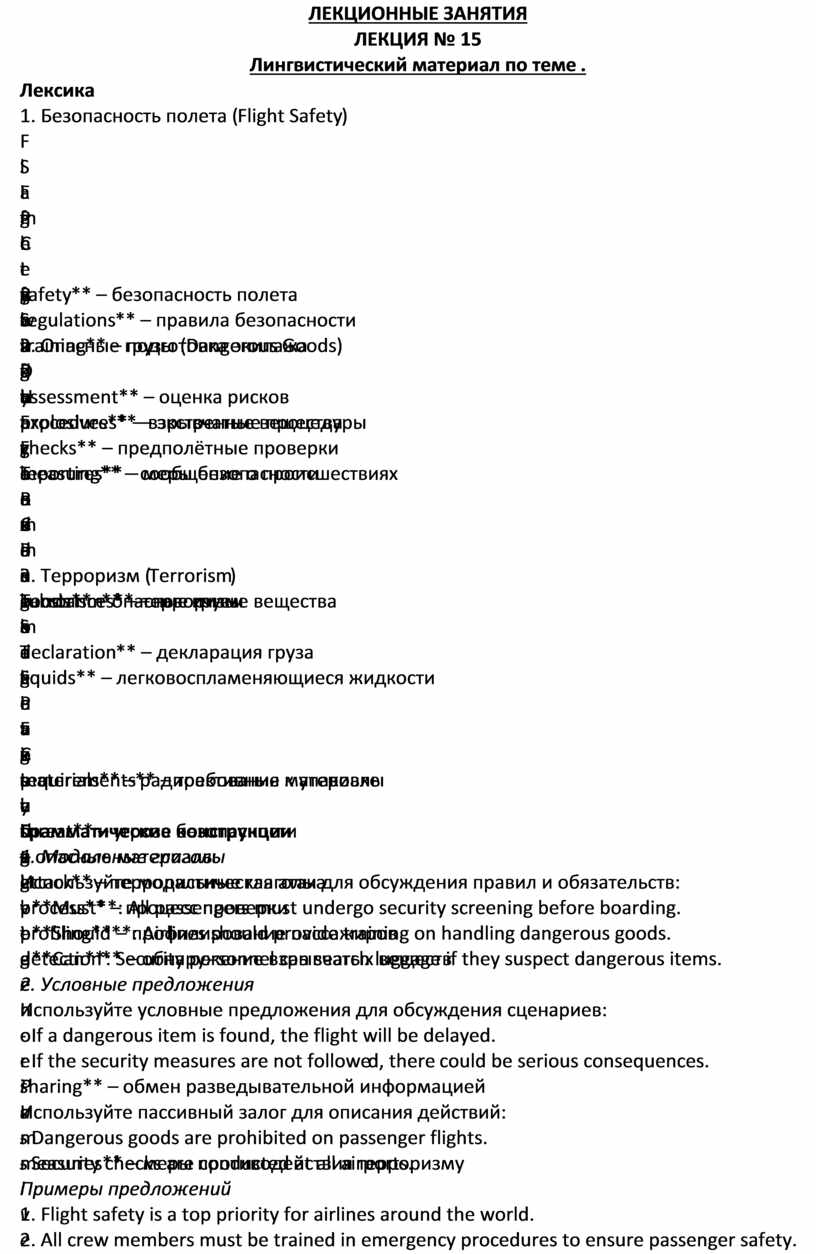
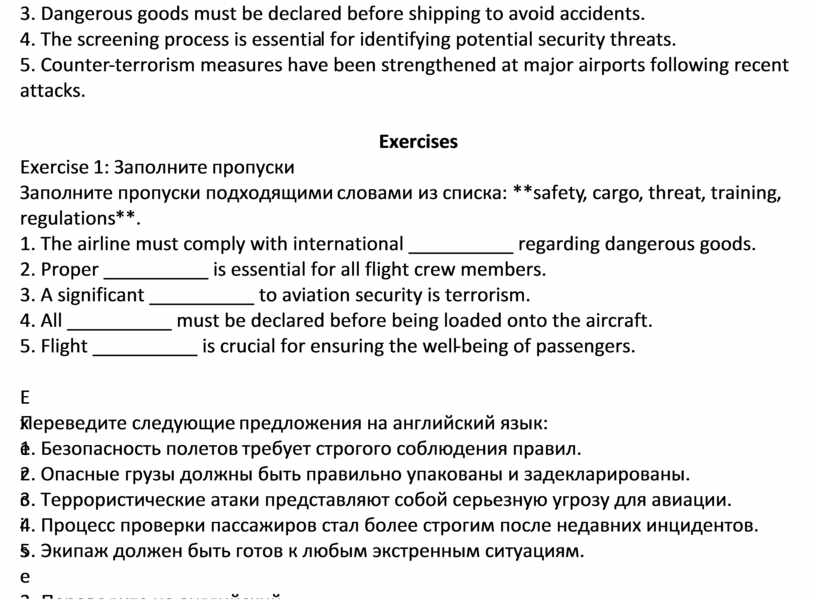
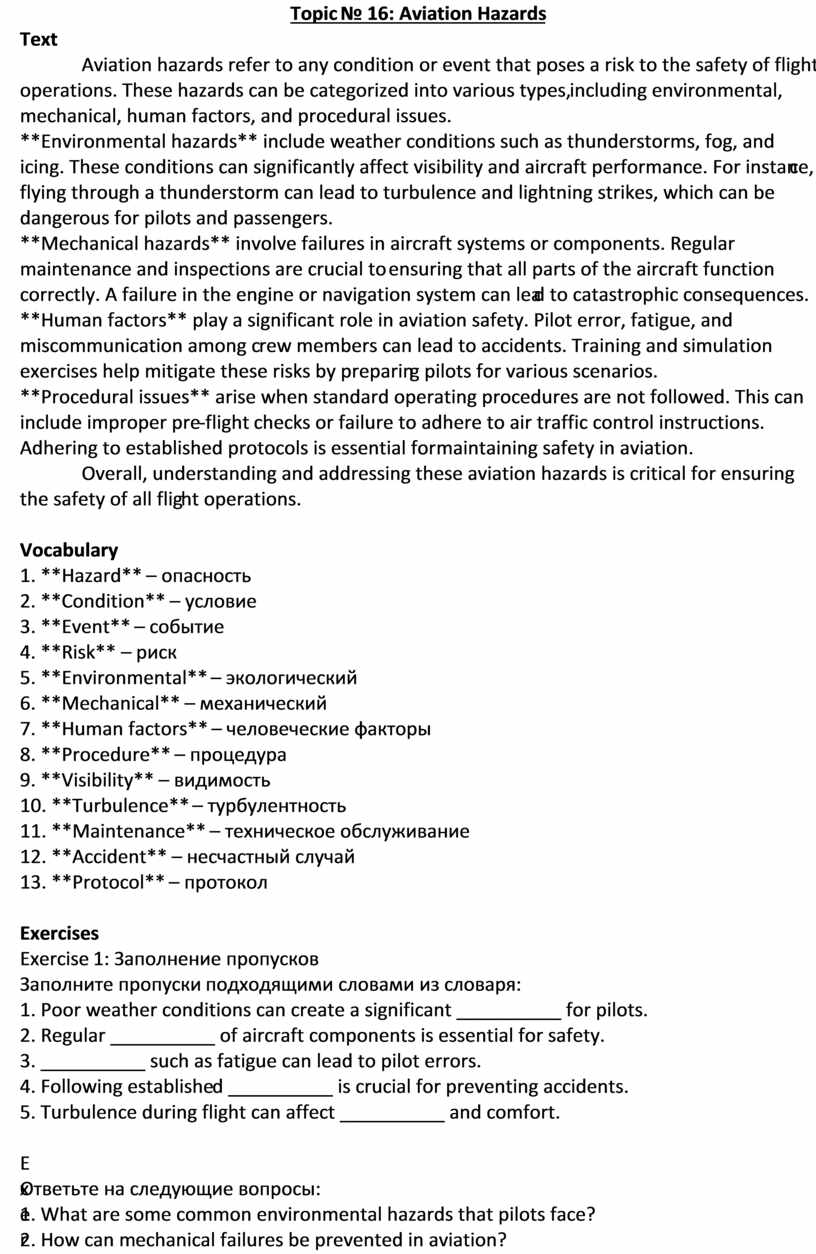
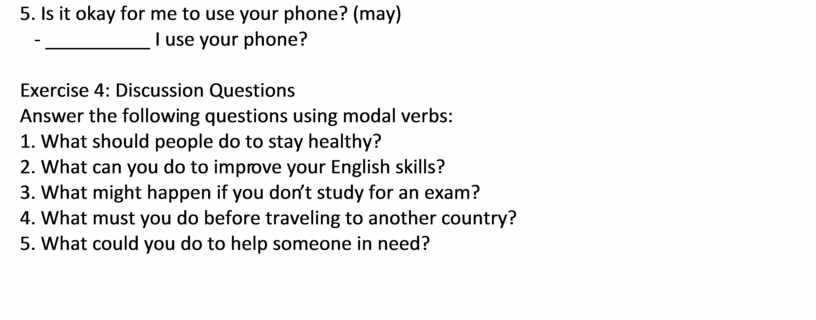
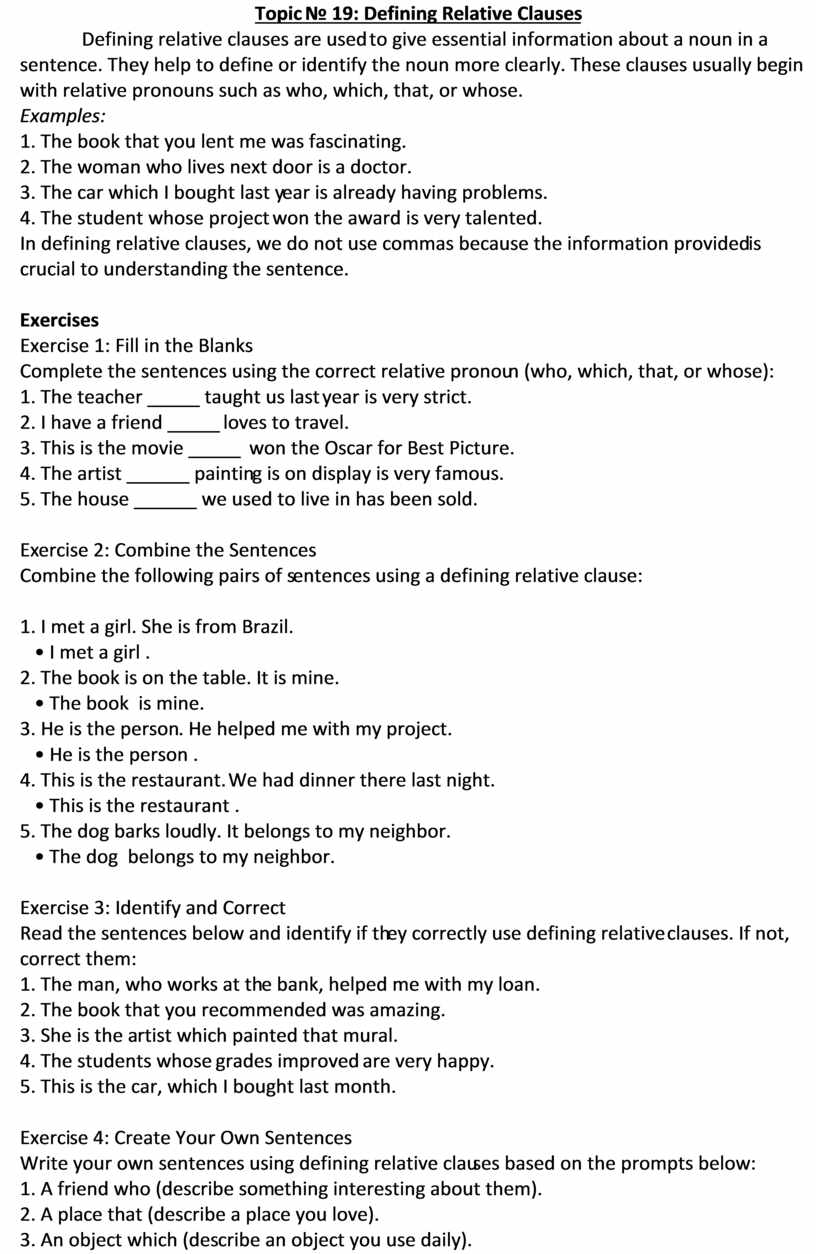
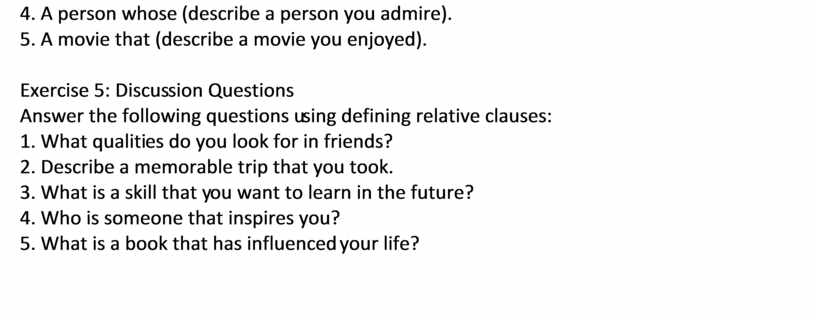
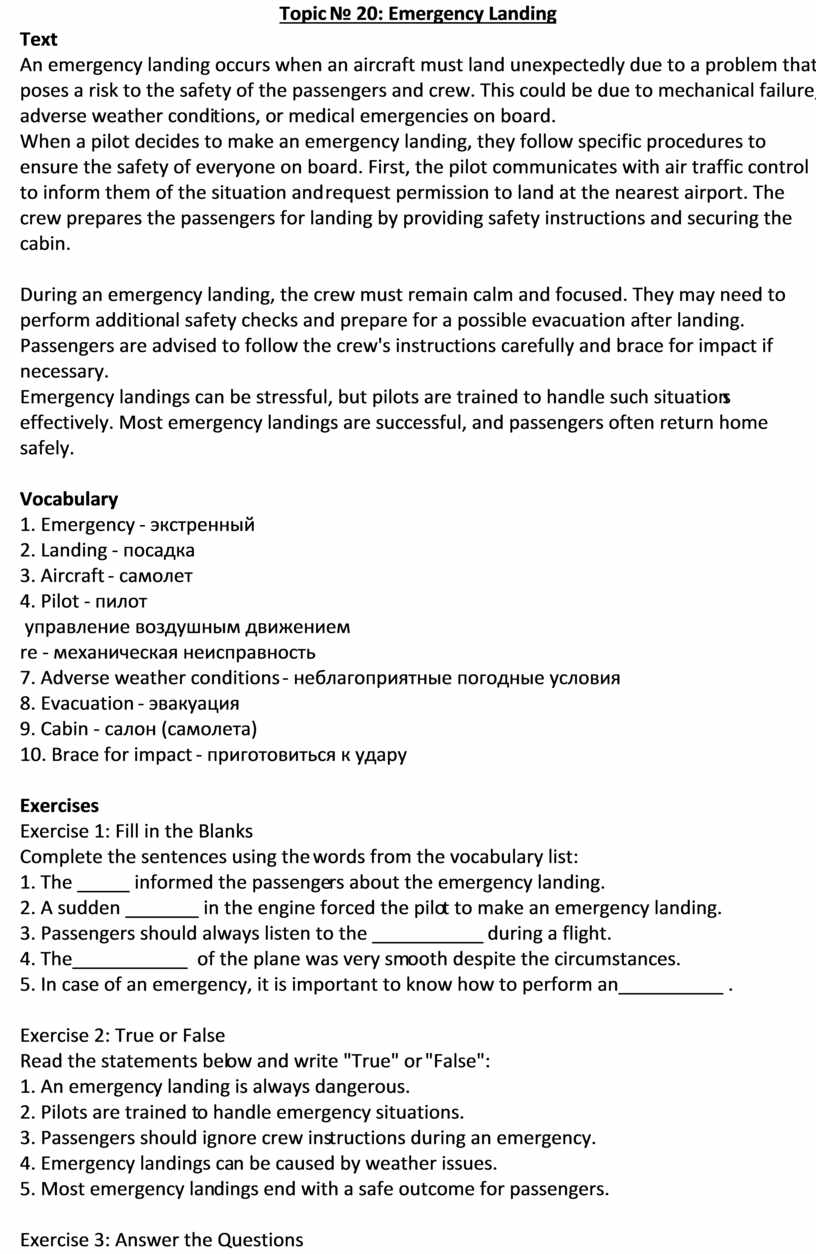
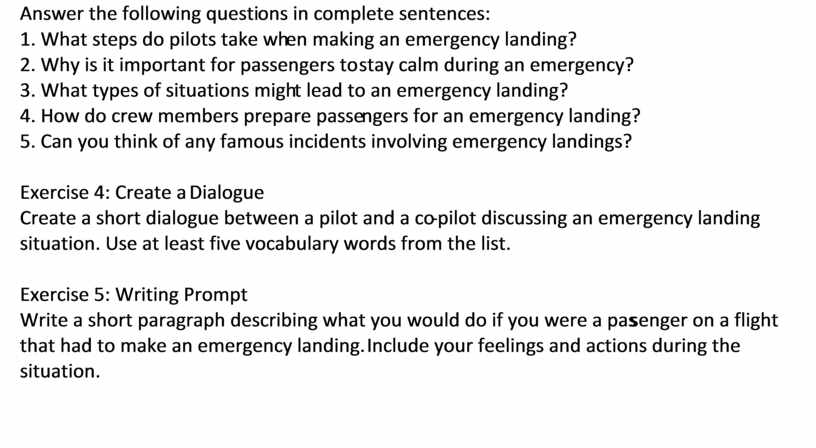
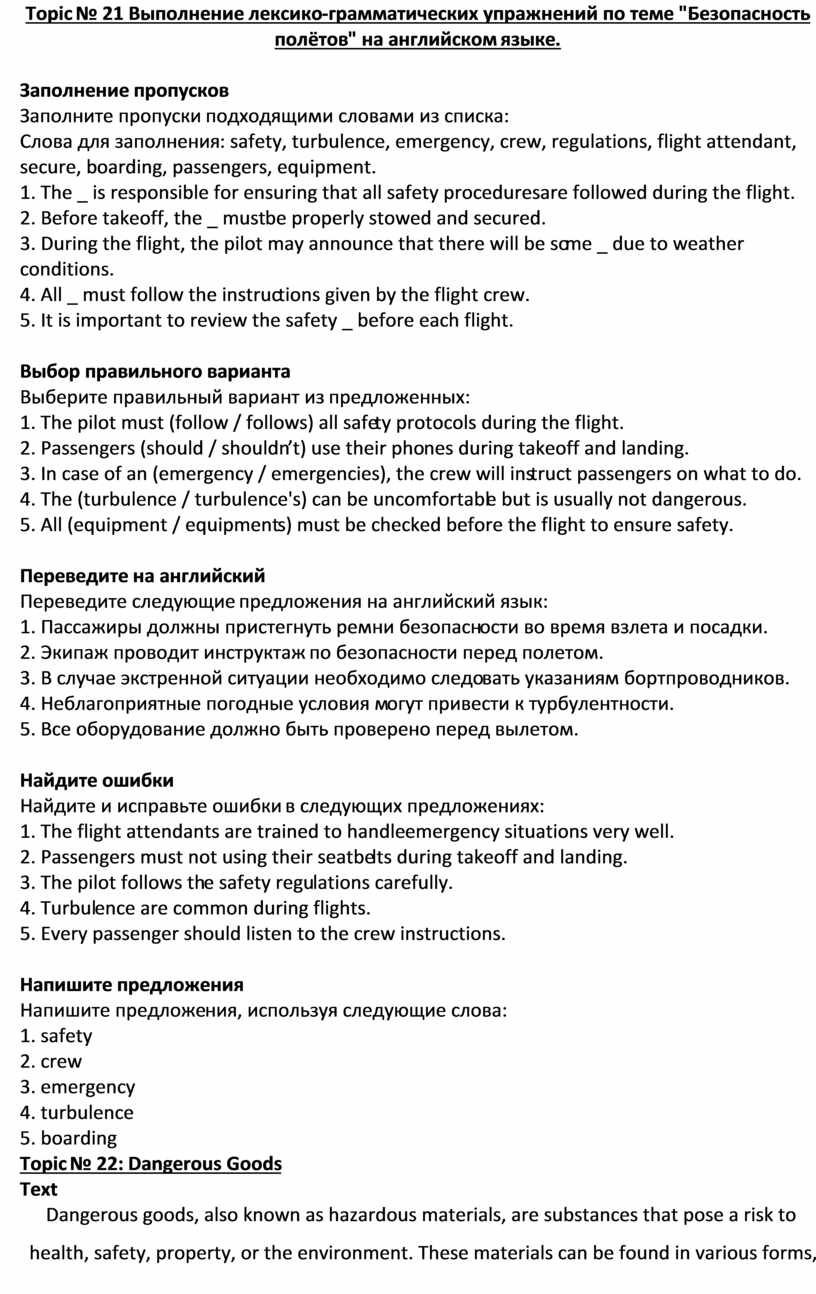
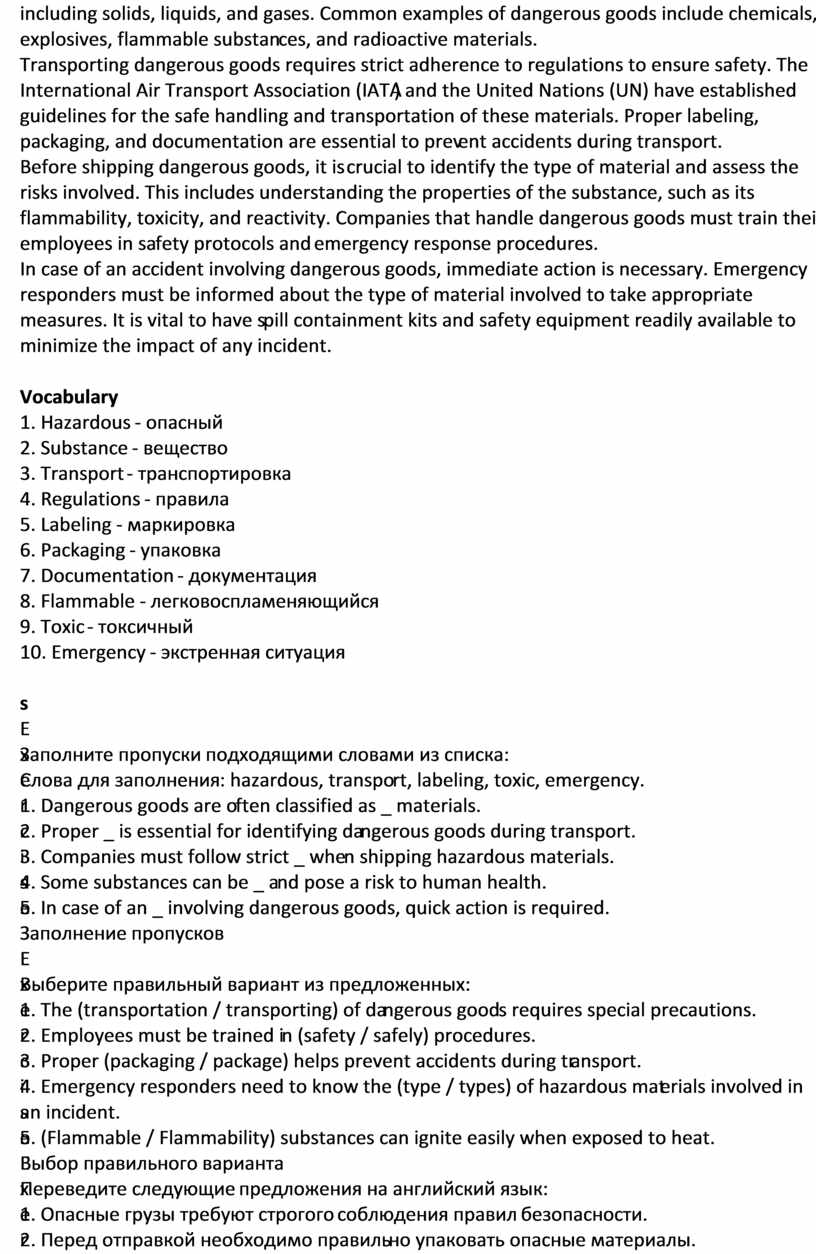
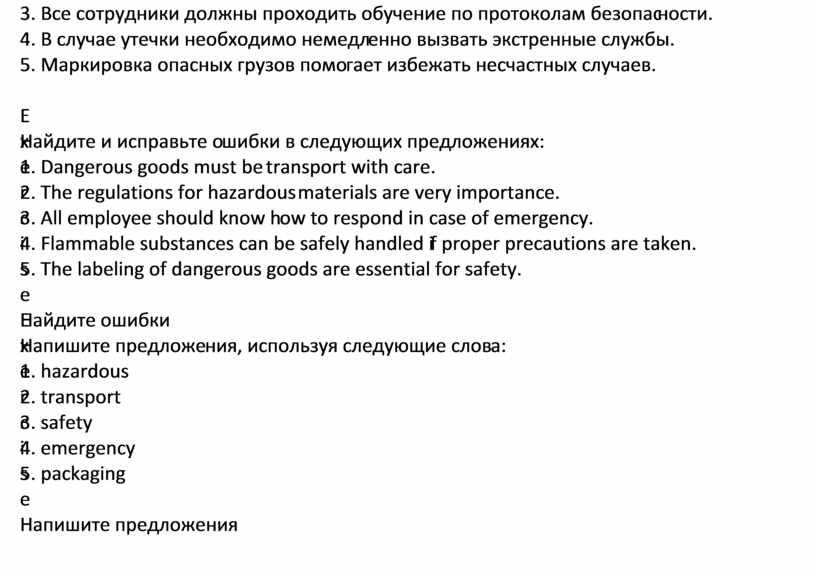
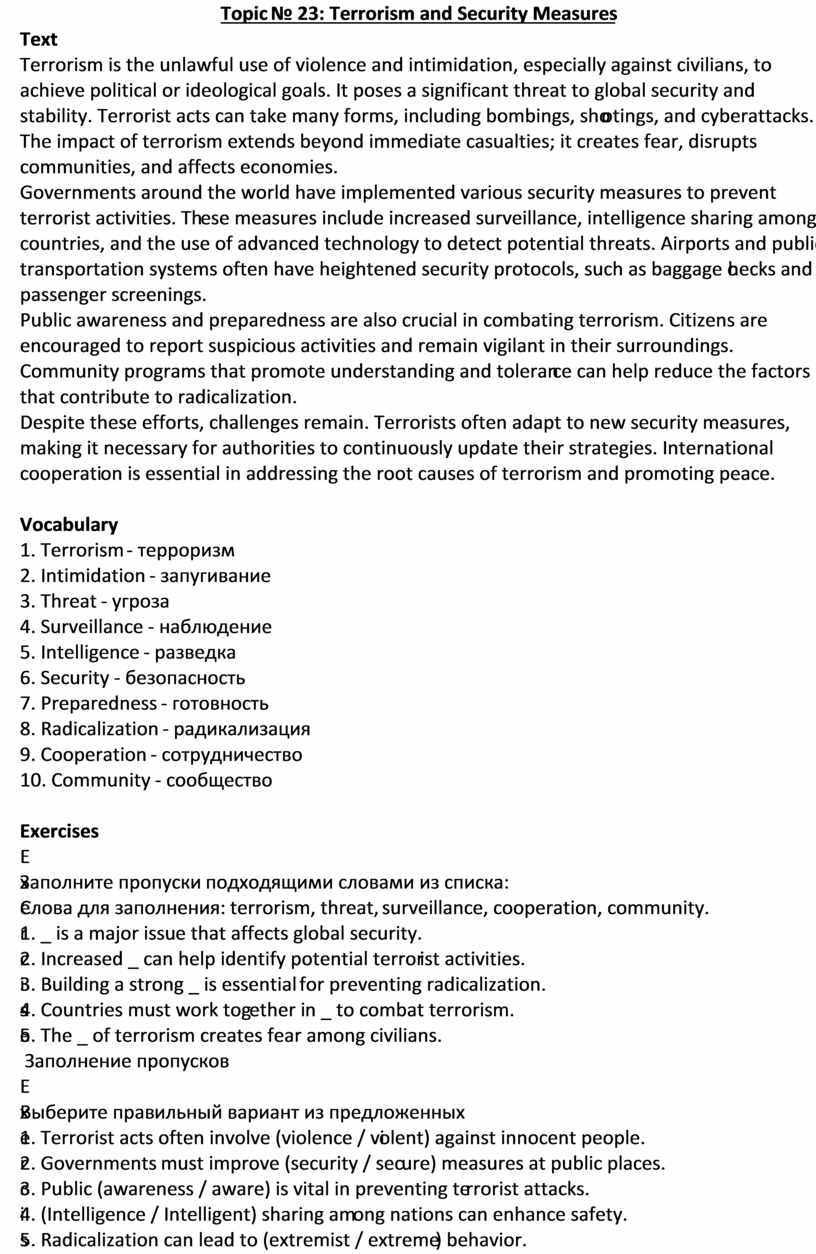
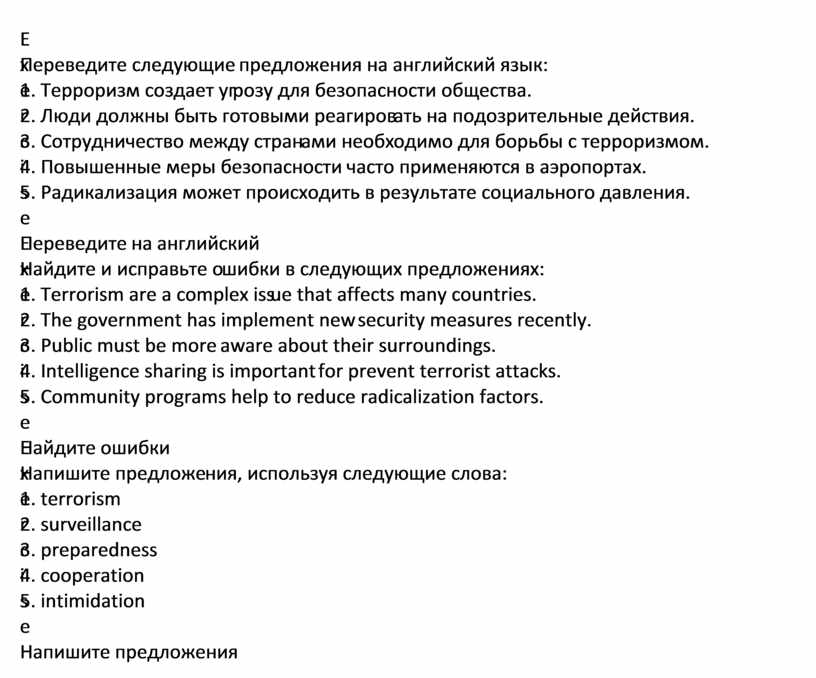
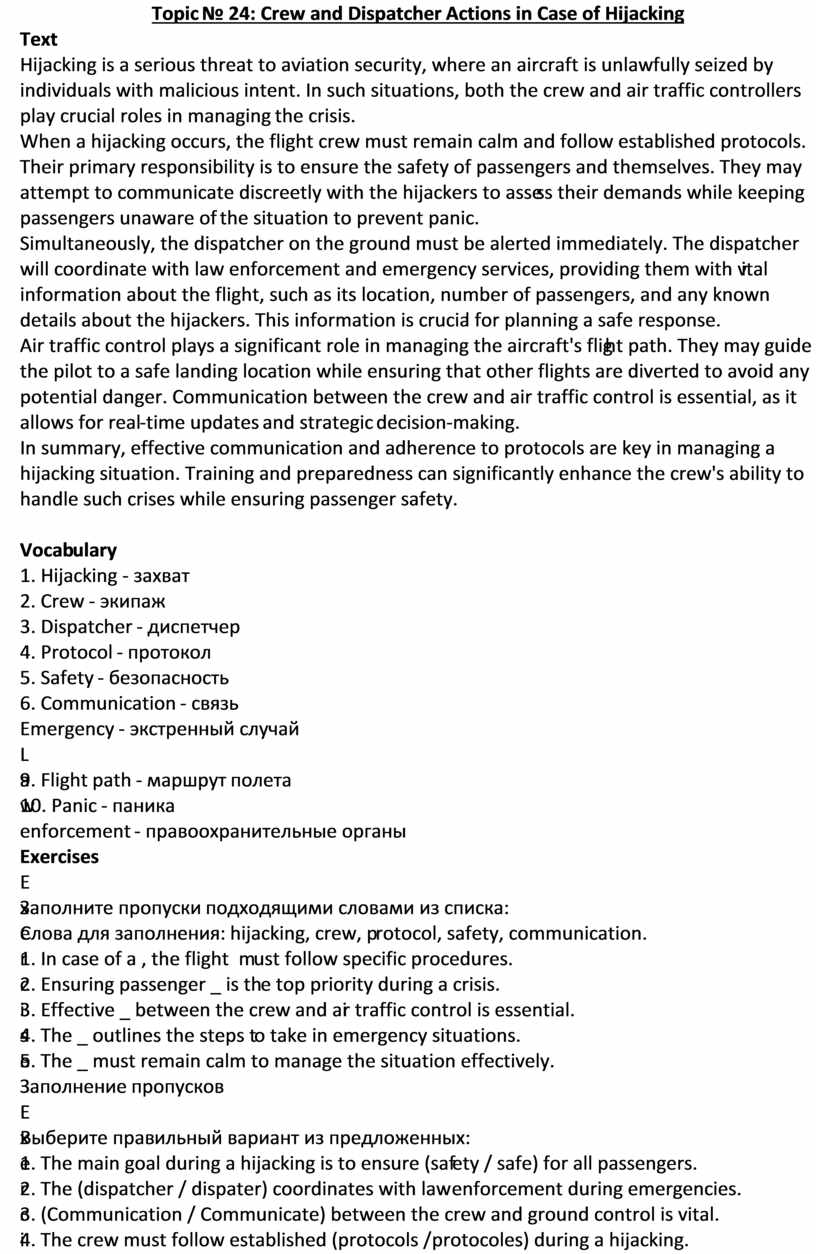
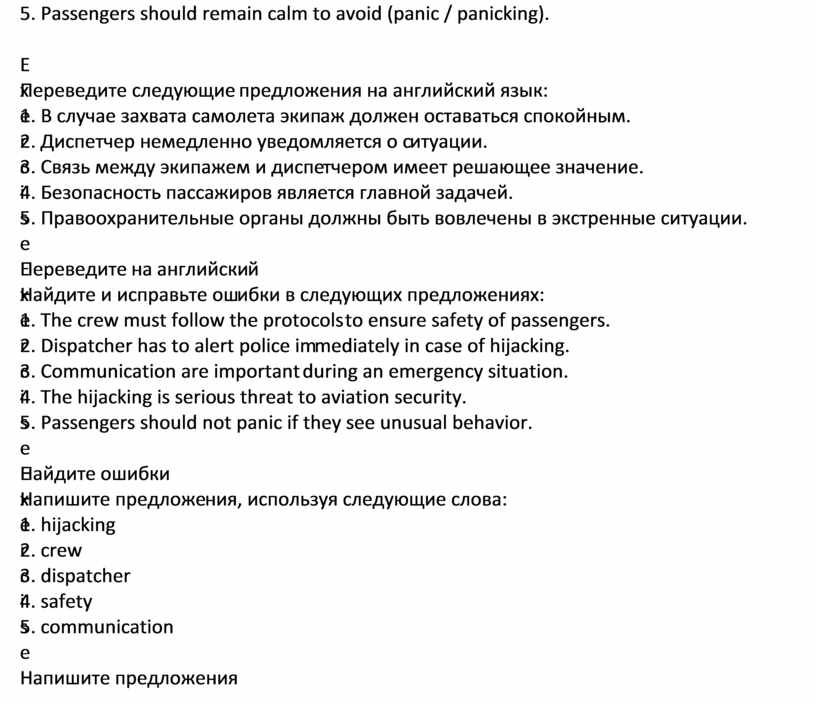
Материалы на данной страницы взяты из открытых источников либо размещены пользователем в соответствии с договором-офертой сайта. Вы можете сообщить о нарушении.