
Поделиться



 Пособие.docx
Psychology.
Unit 1. What Is Psychology
1. Discussion. Answer the questions and express your point of view.
Why do you want to become a professional psychologist?
What is your favorite topic in psychology?
When do you think a person should consult a psychologist?
Topic Vocabulary. Learn the words and word combinations below.
|
1. psychology |
психология |
2. Read the text.
What Is Psychology
Psychology is the scientific study of mental processes and behavior. Psychologists observe and record how people and other animals relate to one another and to the environment. They look for patterns that will help them understand and predict behavior, and they use scientific methods to test their ideas. Through such studies, psychologists have learned much that can help people fulfill their potential as human beings and increase understanding between individuals, groups, nations, and cultures.
Psychology is a broad field that explores a variety of questions about thoughts, feelings, and actions. Psychologists ask such questions as: "How do we see, hear, smell, taste, and feel? What enables us to learn, think, and remember, and why do we forget? What activities distinguish human beings from other animals? What abilities are we born with, and which must we learn? How much does the mind affect the body, and how does the body affect the mind? For example, can we change our heart rate or temperature just by thinking about doing so? What can our dreams tell us about our needs, wishes, and desires? Why do we like the people we like? What is mental illness?"
The research findings
of psychologists have greatly increased our understanding of why people behave
as they do. For example, psychologists have discovered much about how
personality develops and how to promote healthy development. They have some
knowledge of how to help people change bad habits and how to help students
learn. They understand some of the conditions that can make workers more
productive. A great deal remains to be discovered. Nevertheless, insights
provided by psychology can help people function better as individuals, friends,
family members, and workers.
3. Answer the following questions:
1. What is psychology?
2. What do psychologists do?
3. What does psychology explore?
4. What kind of questions do psychologists ask?
5. Why do we need psychological research?
6. How can psychology help us?
4. Give Russian equivalents to the following:
Psychology, the science of the behavior of organisms, psychoanalysis, environment, temperament, intelligence, mental illness, personality, research, Gestalt psychology, experimental psychology, introspection, structuralism, functionalism, humanistic psychology, clinical psychology, counseling psychology, developmental psychology, psychometric psychology, applied psychology.
5. Give English equivalents to the following:
Психология, нервная система, познание, воздействие, суждение, непроизвольные действия, зависимость, головной мозг, рецепторы кожи, разум, безучастность, переживания.
6. Make up your sentences with the words and word combinations from the
topic vocabulary.
7. Explain the meaning of the following words and word combinations:
Basic and applied science
Introspection
Functionalism
Structuralism
Behaviorism
8. Translate into English:
Психология - наука о закономерностях развития и функционирования психики как формы жизнедеятельности человека и животных. Современная психология опирается на выработанные в процессе ее становления и развития принципы: детерминизма, единства сознания и деятельности, развития.
В настоящее время психология - сложная, разветвленная система наук. Каждая входящая в эту систему отрасль науки представляет собой относительно самостоятельное развивающееся направление, имеющее свой предмет и использующее свои методы. Основной базисной отраслью психологии является общая психология.
9. Translate into Russian:
Psychology is the scientific study of the mind and behavior, according to the American Psychological Association. Psychology is a multifaceted discipline and includes many sub-fields of study such areas as human development, sports, health, clinical, social behavior and cognitive processes. The term originated from Edward Titchener, an American psychologist who had been trained by Wundt. Wundt was important because he separated psychology from philosophy by analyzing the workings of the mind in a more structured way, with the emphasis being on objective measurement and control.
10. Speak on the topic “What is psycholog
Unit 2. How Do Psychologists Study the Mind?
1. Discussion. Answer the questions and express your point of view.
Why is it difficult to study human mind?
Can you describe any psychological experiment?
Topic Vocabulary. Learn the words and word combinations below.
|
1. complex |
- |
сложный |
|
2. unique |
- |
уникальный |
|
3. field of study |
- |
область исследований |
|
4. puzzle |
- |
головоломка, загадка |
|
5. humankind |
- |
человечество |
|
6. source |
- |
источник |
|
7. interaction |
- |
взаимодействие |
|
8. determine |
- |
определять, устанавливать |
|
9. extremely |
- |
чрезвычайно, крайне |
|
10. sophisticated |
- |
сложно устроенный, утончённый |
|
11. autopsy |
- |
аутопсия (вскрытие) |
|
12. surgical |
- |
хирургический |
|
13. gray matter |
- |
серое вещество мозга |
|
14. brain |
- |
мозг |
|
15. cognition |
- |
познание, узнавание, распознавание |
|
16. perception |
- |
восприятие |
|
17. skin |
- |
кожа |
|
18. rash |
- |
сыпь |
|
19. heart defect |
- |
порок сердца |
|
20. approach |
- |
подход |
|
21. devise |
- |
разрабатывать, изобретать |
|
22. confirm |
- |
подтверждать |
|
23. disprove |
- |
опровергать |
|
24. expectation |
- |
ожидание |
|
25. evidence |
- |
доказательство, подтверждение, свидетельство |
|
26. at least |
- |
по крайней мере |
|
27. observe |
- |
наблюдать, следить (за чем-л.) |
|
28. directly |
- |
прямо, непосредственно |
|
29. virtually |
- |
фактически, практически |
|
30. influence |
- |
влияние, влиять |
|
31. raw data |
- |
необработанные данные, исходные данные |
|
32. Wilhelm Wundt |
- |
Вильгельм Вундт |
|
33. enormous |
- |
громадный, огромный |
2. Read the text.
How Do Psychologists Study the Mind?
Psychology is the science of the mind and behavior. The human mind is perhaps the most complex and unique field of study, and has been a puzzle to humankind for hundreds of years. The human mind is the source of all thought, behavior, emotions, interactions, and it determines how we conduct ourselves in society.
The mind is highly complex and enigmatic. Many wonder how psychologists can study such an abstract and extremely sophisticated thing. Even if scientists look inside the brain, as in an autopsy or during a surgical operation, all they see is gray matter (the brain). Thoughts, cognition, emotions, memories, dreams, perceptions, etc. cannot be seen physically, like a skin rash or heart defect.
Experts say that the approach to psychology is not that different to other sciences. As in other sciences, experiments are devised to confirm or disprove theories or expectations. For a psychologist, human behavior is used as evidence - or at least an indication - of how the mind functions. We are unable to observe the mind directly; however, virtually all our actions, feelings and thoughts are influenced by the functioning of our minds. That is why human behavior is used as raw data for testing psychological theories on how the mind functions.
German psychologist Wilhelm Wundt opened the first experimental psychology labs in the late 1800s. Since that time we have learned an enormous amount about the relationship between brain, mind, memory and behavior.
3. Answer the following questions:
1. What determines our behavior?
2. Can scientists see human mind?
3. What do psychologists use to test their theories?
4. Who opened the first psychology laboratory?
4. Give Russian equivalents to the following:
Sophisticated, verbal thinking, vision, vegetative part of the nervous system, group therapy, intellectual maturity, involuntary actions, repression, diagnostic test, shyness, expectations, brain ventricles, influence, taste system, unconscious, genius.
5. Give English equivalents to the following:
Дыхательный центр, непроизвольные действия, враждебность, дыхательный центр, переживания, кризис самоопределения, с психическими отклонениями, полушарие головного мозга, воображение, состояние здоровья, наследственность.
6. Make up your sentences with the words and word combinations from the topic vocabulary.
7. Explain the meaning of the following words and word combinations:
Creative thinking
Delusion
Distraction
Obsession
8. Translate into English:
Научную психологию условно можно разделить также на фундаментальную, прикладную и практическую. Фундаментальную психологию интересуют основополагающие проблемы психики, теоретический аспект этих проблем и их эмпирическая проверка (общая психология, психофизиология, социальная психология, психология развития и др.). Она стремится к получению и обобщению новых знаний. Прикладная психология также стремится к получению новых знаний, но приоритет отдает изучению психических явлений в естественной обстановке и использованию полученных в фундаментальной науке знаний в конкретных ситуациях и условиях (эргономика, психология рекламы, психология менеджмента, организационная психология, юридическая и др.). Практическая психология решает на научной основе конкретные задачи, возникающие в реальной жизни и деятельности людей и коллективов, а получение нового знания является, как правило, необязательным приложением.
9. Translate into Russian:
Structuralism relied on trained introspection, a research method whereby subjects related what was going on in their minds while performing a certain task.
However, introspection proved to be an unreliable method because there was too much individual variation in the experiences and reports of research subjects.
Despite the failure of introspection Wundt is an important figure in the history of psychology as he opened the first laboratory dedicated to psychology in 1879, and its opening is usually thought of as the beginning of modern experimental psychology.
10. Speak on the topic “How Do Psychologists Study the Mind?
Unit 3. Careers in Psychology
1. Discussion. Answer the questions and express your point of view.
What sort of career in psychology would you prefer? Why?
Topic Vocabulary. Learn the words and word combinations below.
|
1. career |
карьера |
2. Read the text.
Careers in Psychology
There are many careers in psychology. Psychology includes both research, through which we learn fundamental things about human and animal behavior, and practice, through which that knowledge is applied in helping people to solve problems. Psychology is an extremely varied field. Psychologists conduct research, serve as consultants, diagnose and treat people, and teach future psychologists and other types of students. They test intelligence and personality.
As scientists, psychologists use scientific methods of observation, experimentation and analysis. But psychologists also need to be creative in the way they apply scientific findings.
Psychologists are frequently innovators, inventing new approaches to people and societies. They develop theories and test them in their research. As they collect new information, these findings can be used by practitioners in their work with clients and patients.
As practitioners psychologists work in laboratories, hospitals, courtrooms, schools and universities, prisons and corporate offices. They work with business executives, performers, and athletes to reduce stress and improve performance. They advise lawyers on jury selection and cooperate with educators on school reform. Immediately following a disaster, such as a plane crush or bombing, psychologists help victims and bystanders recover from the shock of the event.
Involved in all aspects of our world, psychologists must keep up with what is happening around us. When you are a psychologist, your education never ends.
Most psychologists say they love their work. They say that they have a variety of daily tasks and the flexibility of their schedules.
The study of psychology is a good preparation for many other professions. Many employers are interested in the skills of collecting, analyzing and interpreting data, and their experience with statistics and experimental design.
Psychology is a very diverse field with hundreds of career paths. We all know about caring for people with mental and emotional disorders. Some other jobs like helping with the design of computer systems are less well-known. What all psychologists have in common is an interest in the minds of both humans and animals.
3. Answer the following questions:
1. What does the field of psychology include?
2. What innovations do psychologists make?
3. Where do psychologists work?
4. Who do psychologists work with?
5. Do most psychologists like their work?
6. What skills are many employers interested in?
7. What do all psychologists have in common?
4. Give Russian equivalents to the following:
Zone of proximal development, vestibular receptors, supporting-motor system, stimulus limen, central nervous system, multiple intelligence, passive perception, rapid eye movement, magnetic resonance image, artificial intelligence.
5. Give English equivalents to the following:
Нерациональное мышление, бред, одаренность, опорно-двигательная система,
мыслительный тип, отвращение, центральная доля полушарий головного мозга,
побуждение, воспоминание, запоминание.
6. Make up your sentences with the words and word combinations from the topic vocabulary.
7. Explain the meaning of the following words and word combinations:
Introjection
Law of effect
Double bind
Hypothesis
Prediction of future events
8. Translate into English:
Так, психолог может содействовать: 1) в достижении некоторой более общей непсихологической цели (психолог на предприятии, психолог в образовательных, медицинских учреждениях и др.); 2) в достижении чисто психологических задач. Это - психотерапия, то есть лечение при помощи психологического воздействия; психологическое консультирование, цель которого - оказание помощи практически здоровым людям в разрешении их жизненных проблем; психодиагностика, основной задачей которой является психологическое обследование и составление психологического портрета, отражающего индивидуальность человека; психокоррекция - восстановление психических функций, а также устранение или компенсация психических аномалий развития с помощью восстановительного обучения. Практическая психология включает разделы: психопрогностику, психодиагностику, психокоррекцию и психопрофилактику.
9. Translate into Russian:
An American psychologist named William James (1842-1910) developed an approach which came to be known as functionalism, that disagreed with the focus of Structuralism.
James argued that the mind is constantly changing and it is pointless to look for the structure of conscious experience. Rather, he proposed the focus should be on how and why an organism does something, i.e. the functions or purpose of the brain.
James suggested that psychologists should look for the underlying cause of behavior and the mental processes involved. This emphasis on the causes and consequences of behavior has influenced contemporary psychology.
10. Speak on the topic “Careers in Psychology”
Unit 4. What Is the Difference Between a Psychologist and a Psychiatrist?
1. Discussion. Answer the questions and express your point of view.
What are the main differences between psychologists and psychiatrists?
Topic Vocabulary. Learn the words and word combinations below.
|
1. provide |
предоставлять |
2. Read the text.
What Is the Difference Between a Psychologist and a Psychiatrist?
The work of psychologists and psychiatrists has much in common. Both psychologists and psychiatrists can provide psychotherapy and counseling services. Both psychologists and psychiatrists are trained to diagnose neuropsychological disorders and dysfunctions plus psychotic, neurotic and personality disorders and dysfunctions. Both professionals are granted the right to make such diagnoses by law while other doctors cannot. Both psychologists and psychiatrists help people maintain and enhance their physical, intellectual, emotional, social and interpersonal functioning.
However, there are some important differences in training and special skills. Psychiatrists, as medical doctors, can prescribe medications for psychological distress. Psychologists do not prescribe medications, instead focusing their treatment on psychotherapy. In addition, psychologists are the only mental health professionals who are fully trained and qualified to use psychological tests.
The education of psychologists provides knowledge of psychological and emotional problems, personality, and human development, integrated with specialized training in how to apply this knowledge to helping people with emotional distress and other problems in living. The psychologist's training in research allows them to evaluate the best ways to help people and to make decisions on what helps and what doesn't help different people with various situations.
Psychologists also specialize in psychological testing. Psychological tests are used in situations where there are questions about what a person's particular problem is. For example, a psychologist may use psychological tests to determine whether a child has a learning disorder. Psychologists also use psychological tests in legal cases or any time there is uncertainty about what is troubling an individual Psychological tests can include assessments of personality styles, tests of emotional well-being, intellectual (or "IQ") tests, tests of academic achievement and tests for possible brain damage. The use of psychological tests requires years of training that involves not only learning how to give the tests, but also how to integrate all the information from a variety of tests, background information, interviews, and knowledge of theories, research, psychological problems, personalities, and human development. Psychologists are the only mental health professionals who are fully trained and qualified to use psychological tests.
It is important to be aware that there can be broad differences in training and philosophy among psychologists, psychiatrists, social workers, and other therapists which can often lead to widely differing treatment approaches and understandings of psychological and emotional problems.
3. Answer the questions:
1. What services can psychologists and psychiatrists provide to people?
2. What professionals are granted the right to diagnose neuropsychological
disorders and dysfunctions?
3. What professionals are granted the right to prescribe medications?
4. What do psychologists focus their treatment on?
5. What does the education of psychologists include?
6. What does psychologist's training allows them to do?
7. What professionals specialize in psychological training?
8. When do psychologists use psychological tests?
9. What do psychological tests assess?
4. Give Russian equivalents to the following:
IQ (intellectual quotient), stressor, phobia, inhibition, suppression, sense organs, demand characteristics, informed consent, child psychology, developmental psychology, genetic psychology.
5. Give English equivalents to the following:
Болевой
рецептор, долговременная память, кратковременная память, групповая
психотерапия, вербальное мышление, двигательные функции, врожденный, пороговое
воздействие, безусловный раздражитель, соматические функции, уязвимый.
6. Make up your sentences with the words
and word combinations from the topic vocabulary.
7. Explain the meaning of the following words and word combinations:
Random samples
Pathology
Informed consent
Haptics
Psychopathology
8. Translate into English:
Для современной психологии характерны два встречных процесса: процесс дифференциации, порождающий значительную разветвленность отраслей психологии, и интеграции («стыковка» со смежными науками и объединение отраслей внутри психологии). В результате дифференциации разные ветви психологии часто тяготеют к разным смежным наукам (социологии, технике, зоологии, медицине и др.), однако существенно отличаются от них, хотя и сохраняют общий предмет исследования. Интеграция проявляется в стыковке, например, психологии с техникой (через инженерную психологию); с педагогикой (через педагогическую психологию) и пр.
Такие отрасли психологии, как психология личности и социальная, юридическая, политическая и пр., оказываются неразрывно связанными, так как в основе их лежат общие понятия и концепции.
9. Translate into Russian:
Psychology is a broad and diverse field that encompasses the study of human thought, behavior, development, personality, emotion, motivation, and more. As a result, some different subfields and specialty areas have emerged. The following are some of the major areas of research and application within psychology:
10. Speak on the topic “What Is the Difference Between a Psychologist and a Psychiatrist?”
Unit 5. Social Pressure and Perception
1. Discussion. Answer the questions and express your point of view.
How does the society affect our behavior?
Topic Vocabulary. Learn the words and word combinations below.
|
1. imagine |
воображать, представлять |
2. Read the text.
Social Pressure and Perception
Imagine yourself in the following situation: you sign up for a psychology experiment, and on a specified date you and seven others whom you think are also subjects arrive and are seated at a table in a small room. You don't know it at the time, but the others are actually associates of the experimenter, and their behaviour has been carefully scripted. You're the only real subject.
The experimenter arrives and tells you that the study in which you are about to participate concerns people's visual judgments. She places two cards before you. The card on the left contains one vertical line. The card on the right displays three lines of different length.
The experimenter asks all of you, one at a time, to choose which of the three lines on the right card matches the length of the line on the left card. The task is repeated several times with different cards. The other "subjects" unanimously choose the wrong line. It is clear to you that they are wrong, but they have all given the same answer.
What would you do? Would you go along with the majority opinion, or would you trust your own eyes?
In 1951, the social psychologist Asch used this experiment to examine how the pressure from other people could affect one's perceptions. In total, about one third of the subjects who were placed in this situation agree with the majority.
Some of the subjects indicated after the experiment that they assumed the rest of the people were correct and that their own perceptions were wrong. Others knew they were correct but didn't want to be different from the rest of the group. Some even insisted they saw the line lengths as the majority did.
Asch concluded that it is difficult to maintain that you see something when no one else does. Pressure from other people can make you see almost anything.
3. Answer the questions:
1. Who developed the experiment described in the text? When was it developed?
2. What does the experimenter tell the real subject about the aim of the
experiment?
3. How many cards does the experimenter places in front of you? What do the
cards contain?
4. What does the experimenter ask you to do?
5. How many times is the task repeated?
6. What did some of the subjects of the experiment assume when the associates
of the experiment gave the wrong answers?
7. Why did some of the subjects of the experiment give the wrong answer even if
they knew they were correct?
4. Give Russian equivalents to the following:
Potentials or human ability, anxious, ambiversion, stain, nearsighted, sound waves, replications, nociceptors, occipital lobe of the brain, spirit, sulci and gyri of the brain mantle, sociability, outgoing, general feeling, cerebellum, values orientation.
5. Give English equivalents to the following:
Ощущение и восприятие, нормальное состояние, личности свойства, качества, черты, удовольствие, вызывать, вопросник, внушаемость , аутистическое поведение , нервная ткань , мотивация бессознательная.
6. Make up your sentences with the words and word combinations from the topic vocabulary.
7. Explain the meaning of the following words and word combinations:
Unconditional reflex
Non-verbal communication
Individuality
Memory span
General feeling
8. Translate into English:
ЗАДАЧИ СОВРЕМЕННОЙ ПСИХОЛОГИИ
Среди многочисленных проблем, которые стоят перед современной психологией, выделяются две кардинальные:
1) реализация в теории и практике целостного подхода к человеку:
- как к индивиду;
- как к социальному существу;
- как к объекту экологии;
- как к саморегулирующейся личности, что предполагает ориентацию на развитую систему самовоспитания;
2) ориентация на уникальную, творческую личность. На передний план выходит такая отрасль науки, как акмеология (психология высших достижений), поскольку как никогда наше общество нуждается в творческих людях.
9. Translate into Russian:
The following are some of the major schools of thought in psychology.
10. Speak on the topic “Social Pressure and Perception”
Additional texts. Psychology.
Body language is a broad term for forms of communication using body movements or gestures instead of, or in addition to, sounds, verbal language, or other forms of communication. It forms part of the category of paralanguage, which describes all forms of human communication that are not verbal language.
Paralanguage including body language, has been extensively studied in social psychology. In everyday speech and popular psychology, the term is most often applied to body language that is considered involuntary, even though the distinction between voluntary and involuntary body language is often controversial. For example, a smile may be produced either consciously or unconsciously.
Voluntary body language refers to movement, gestures and poses intentionally made by a person (i.e., conscious smiling, hand movements and imitation). It can apply to many types of soundless communication. Generally, movement made with full or partial intention and an understanding of what it communicates can be considered voluntary.
Involuntary body language quite often takes the form of facial expression, and has therefore been suggested as a means to identify the emotions of a person with whom one is communicating.
The relation of body language to animal communication has often been discussed. Human paralanguage may represent a continuation of forms of communication that our non-linguistic ancestors already used, or it may be that it has been changed by co-existing with language. Body language is a product of both genetic and environmental influences. Blind children will smile and laugh even though they have never seen a smile. Iraneus Eibl-Eibesfeldt claimed that a number of basic elements of body language were universal across cultures and must therefore be fixed action patterns under instinctive control.
Some forms of human body language show continuities with communicative gestures of other apes, though often with changes in meaning. More refined gestures, which vary between cultures (for example the gestures to indicate «yes» and «no»), must be learned or modified through learning, usually by unconscious observation of the environment.
Body language is important in one-on-one communications, and may be even more important in group communications. In group situations, often only one person at a time is speaking, while non-verbal communication is coming from each individual in the group. The larger the group, the more impact body language may have.
Color psychology By David Johnson
Why are people more relaxed in green rooms? Why do weightlifters do their best in blue gyms?
Colors often have different meanings in various cultures. And even in Western societies, the meanings of various colors have changed over the years. But today in the U.S., researchers have generally found the following to be accurate.
Black Black is the color of authority and power. It is popular in fashion because it makes people appear thinner. It is also stylish and timeless. Black also implies submission. Priests wear black to signify submission to God. Some fashion experts say a woman wearing black implies submission to men. Black outfits can also be overpowering, or make the wearer seem aloof [надменный] or evil. Villains, such as Dracula, often wear black.
White Brides wear white to symbolize innocence and purity. White reflects light and is considered a summer color. White is popular in decorating and in fashion because it is light, neutral, and goes with everything. However, white shows dirt and is therefore more difficult to keep clean than other colors. Doctors and nurses wear white to imply sterility.
Red The most emotionally intense color, red stimulates a faster heartbeat and breathing. It is also the color of love. Red clothing gets noticed and makes the wearer appear heavier. Since it is an extreme color, red clothing might not help people in negotiations or confrontations. Red cars are popular targets for thieves. In decorating, red is usually used as an accent. Decorators say that red furniture should be perfect since it will attract attention.
The most romantic color, pink, is more tranquilizing. Sports teams sometimes paint the locker rooms used by opposing teams bright pink so their opponents will lose energy.
Blue The color of the sky and the ocean, blue is one of the most popular colors. It causes the opposite reaction as red. Peaceful, tranquil blue causes the body to produce calming chemicals, so it is often used in bedrooms. Blue can also be cold and depressing. Fashion consultants recommend wearing blue to job interviews because it symbolizes loyalty. People are more productive in blue rooms. Studies show weightlifters are able to handle heavier weights in blue gyms.
Green Currently the most popular decorating color, green symbolizes nature. It is the easiest color on the eye and can improve vision. It is a calming, refreshing color. People waiting to appear on TV sit in "green rooms" to relax. Hospitals often use green because it relaxes patients. Brides in the Middle Ages wore green to symbolize fertility. Dark green is masculine, conservative, and implies wealth. However, seamstresses [швея] often refuse to use green thread on the eve of a fashion show for fear it will bring bad luck.
Yellow Cheerful sunny yellow is an attention getter. While it is considered an optimistic color, people lose their tempers more often in yellow rooms, and babies will cry more. It is the most difficult color for the eye to take in, so it can be overpowering if overused. Yellow enhances concentration, hence its use for legal pads [блокнот размером 8,5 на 14 дюймов с отрывными страницами из жёлтой линованной бумаги, без обложки, популярен в США.]. It also speeds metabolism.
Purple The color of royalty, purple connotes luxury, wealth, and sophistication. It is also feminine and romantic. However, because it is rare in nature, purple can appear artificial.
Brown Solid, reliable brown is the color of earth and is abundant in nature. Light brown implies genuineness while dark brown is similar to wood or leather. Brown can also be sad and wistful [тоскующий]. Men are more apt to say brown is one of their favorite colors.
Food for Thought
While blue is one of the most popular colors it is one of the least appetizing. Blue food is rare in nature. Food researchers say that when humans searched for food, they learned to avoid toxic or spoiled objects, which were often blue, black, or purple. When food dyed blue is served to study subjects, they lose appetite.
Green, brown, and red are the most popular food colors. Red is often used in restaurant decorating schemes because it is an appetite stimulant.
Graphology science or fiction.
Graphology is a branch of a diverse group of sciences of «character reading». Since ancient times, man has been intrigued by human variability and uniqueness of the individual. Graphology in particular focuses on interpreting individual's character and personality traits by analyzing their handwriting. Using graphology to analyze personality and character is one thing; changing ones behavior by changing handwriting is another – this is referred to as graphotherapy.
Graphology is a now becoming a more widely accepted science. As most of you will agree that the human subconscious manifests itself one way or another, art, music etc. Graphology interprets this manifestation, using the most commonly used human subconscious-world interface, handwriting! Here is my first example, where this can be used. Long final strokes say a lot about individuals. We can use graphology to understand what one is conveying through long strokes? The long final strokes show how cautious one is. Using graphology we know that the writer is inclined to be cautious and careful. This reduces the tendency to be impulsive and minimizes risk in decision making.
Another example where we can use graphology to tap into one's subconscious (подсознательное). I am sure you have seen this somewhere, a consistent left ward slant. Do you know this person? Is this you? Using graphology, we know that writing with a leftward slant is a sign of an introvert. The writer rarely expresses feeling and makes logical unemotionally decisions. Would you have known that if it were not for graphology?
Trusting or not-trusting? Graphology differentiates one from another. Long narrow loops in y's and g's. The size of the loop (not the down stroke) reveals the amount of trust and imagination as it relates to people. Graphology tells us that the narrow loop reveals some trust, but these people are selective in who they let in their inner circle. Who does graphology tell us to be careful of? Using graphology I can tell you that the person with a hot temper is one where the t-bar crossed predominantly on the right of the stem. The more this is to the right the easier it will be to annoy this person. If this is combined with a rightward slant, they will lose temper even quicker.
So in summary graphology can be used to determine a complete personality and character profile of any individual. Besides the examples given above graphology can be also be used to determine aggressiveness, analytical thinking, attention to detail, curious, dual personality, emotionally responsive, extravagant, jealous, loyalty, perfectionist, controlling, stubborn nature among others. If the art of graphology is learned efficiently one can use it to their advantage and help them understand their friends, partners and family in-depth.
Social Work.
Unit 1. Knowledge, Values and Skills in Social Work
1. Discussion. Answer the question and express your point of view.
What is the main value of the social work profession?
Knowledge, Values and Skills in Social Work
Initial social work education and training should equip people with the distinctive combination of knowledge, values and skills, drawn from a range of academic disciplines and practice learning, they require for beginning practice. These include:
- respect for the equality, worth and human rights of all people, and for their individuality, privacy and dignity;
- understanding of, and commitment to, the rights of the child;
- commitment to putting into practice equalities and diversity principles, recognizing and dismantling barriers, and challenging discrimination against people using services, careers, families and fellow-workers;
- skills in assessing, jointly with people and families, their circumstances, strengths, needs and preferred outcomes;
- understanding of individual, family and community dynamics;
- skills and knowledge to deal with hostile and aggressive responses to social work intervention, without putting their own safety at risk;
- knowledge of the frameworks of law, policy and regulation affecting social work practice;
- skills, knowledge and judgment required to recognize and evaluate levels of risk to children and adults, assess possible measures to reduce and manage the risks, and take appropriate action;
- skills in enabling people to exercise choice, be involved in decisions affecting them, and use resources to secure the outcomes they want;
- skills in communication, particularly with and on behalf of children and adults with limited ability to convey their own views and wishes;
- skills in negotiating and coordinating services provided by networks of social care staff and family careers.
2. Topic Vocabulary. Learn the words and word combinations below.
1. equip with – обеспечивать/экипировать чем-либо.
2. draw from – вытаскивать.
3. dignity – достоинство.
4. commitment – обязательство.
5. diversity – разнообразие.
6. dismantling – демонтаж.
7. discrimination – дискриминация, нарушение чьих-либо прав.
8. prefer – предпочитать.
9. dynamics – динамика, развитие.
10. deal with – иметь дело с чем/кем-либо.
11. response – ответ, отвечать.
12. evaluate – оценивать.
13. measure – мера.
14. be involved in – быть вовлеченным во что-либо.
15. convey – сопровождать, защищать, отстаивать.
3. Answer the questiions.
1. What should the initial social work education
and training equip people with?
2. What are the main spheres of educational interests of social workers?
3. Can you characterize some of these spheres?
4. Why are these spheres so important for social work?
5. Would you like to add some points into your course of study?
4. Give Russian equivalents to the following:
Mean, dimension, demand, regard, present day, numerous, current developments, to accommodate oneself, routine, to cope with, to get along with, to communicate with.
5. Give English equivalents to the following:
Рассматриваемый вопрос, все формы независимо о их масштабности, прямой контакт, многочисленные рассуждения, важные составляющие, современные направления, ожидаемые результаты, требовать пристального изучения, символическое значение.
6. Make up your sentences with the words and word combinations from the topic vocabulary.
7. Explain the meaning of the following words and word combinations:
Human interaction
Organizational hierarchies
Persona detachment
Authority
Modern organizations
8. Translate into English:
Смысл жизни человека в том, чтобы самореализоваться, раскрыть все свои способности и таланты. Социальный работник (соционом) помогает человеку в раскрытии его потенциалов. Он ориентирует человека на адекватное понимание жизненного успеха, помогает достичь личного благополучия и признания со стороны других людей. Одна из важных функций профессионала социальной работы также в том, чтобы помочь человеку избегать различных рисков и угроз современного мира, помочь выстроить траекторию своего жизненного пути, активизировать свои силы и ресурсы. Его усилия направлены как на повышение качества жизни отдельного человека, так и на достижение социального благополучия общества в целом. В его распоряжении арсенал методов по изменению социальной среды, улучшению ситуации в обществе. Все это позволяет социальному работнику чувствовать значимость своей профессии и наполняет его жизнь высоким смыслом.
9. Translate into Russian:
Social work is a practice-based profession that promotes social change, development, cohesion and the empowerment of people and communities. Social work practice involves the understanding of human development, behavior and the social, economic and cultural institutions and interactions. Social work professionals working with families and institutions have helped to provide and advance the following social impacts:
· Civil Rights
· Unemployment Insurance
· Disability Pay
· Workers’ Compensation
· Reduced Mental Health Stigma
· Medicaid and Medicare
· Child Abuse and Neglect Prevention
10. Speak on the topic “Knowledge, Values and Skills in Social Work”.
Unit 2. What is social work?
1. Discussion. Answer the question and express your point of view.
The role of social work as a professional discipline.
2. Read the text. What is social work?
Social work is an established professional discipline with a distinctive part to play in promoting and securing the wellbeing of children, adults, families and communities. It operates within a framework of legislation and government policy, set out in Putting People First and the Children’s Plan, and contributes to the development of social policy, practice and service provision. It collaborates with other social care, health, education and related services to ensure people receive integrated support. It is a profession regulated by law.
Social work is committed to enabling every child and adult to fulfill their potential, achieve and maintain independence and self-direction, make choices, take control of their own lives and support arrangements, and exercise their civil and human rights. It looks at people’s lives and circumstances in the round, and works with them to personalize social care responses to fit their own individual situations. Its approaches and working methods aim to promote empowerment and creativity
Social work embodies a set of core values and principles. It is committed to the rights of the child; respects the equality, worth and human rights of all people, and their individuality, privacy and dignity; and challenges discrimination and prejudice. Its knowledge base, drawn from relevant academic disciplines, is informed by the experience and expertise of people using services, developed through research and tested in practice.
Social work makes a particular contribution in situations where there are high levels of complexity, uncertainty, stress, conflicts of interest, and risk, particularly to children and vulnerable adults. It applies specialist analytical skills and knowledge to assessing these situations, and making complex judgments on action to take.
Topic Vocabulary. Learn the words and word combinations below.
1. establish – устанавливать, учреждать, вводить.
2. distinctive – отчетливый, ясный.
3. promote – способствовать, помогать, продвигать.
4. secure – безопасность.
5. framework – каркас, основа, фундамент.
6. ensure – гарантировать, уверять.
7. support – поддержка, помощь.
8. civil – гражданский.
9. response – ответ, отвечать.
10. creativity – творчество, креативность.
11. value – ценность.
12. equality – равенство.
13. dignity – достоинство.
14. prejudice – предубеждение.
15. vulnerable – уязвимый.
3. Answer the questiions.
1. What is social work?
2. What way does social work operate?
3. What does social work collaborate with?
4. What is the main task of social work?
5. What are the main values and principles of social work?
4. Give Russian equivalents to the following:
Renowned scholar, progress, challenge, dedicate, perform tasks, drawback, exercise authority, the issues discussed, enforce rules, in accordance with, violation of regulations, merit, advantage, corresponding, contend, standpoint, assume, indicate, determine.
5. Give English equivalents to the following:
Сохраниться до наших дней, признавать неизбежные побочные эффекты, средство координации деятельности, результативность и действенность, отметить характерные черты, выполнять задания.
6. Make up your sentences with the words and word combinations from the topic vocabulary.
7. Explain the meaning of the following words and word combinations:
Cultural awareness
Sociological research
Generations to come
Physical world
Natural science
8. Translate into English:
Социальная работа в России, в ее настоящем прочтении, является относительно молодой дисциплиной, и поэтому опыт зарубежных стран в этой области социальной действительности чрезвычайно важен для дальнейшего развития, совершенствования технологий работы и научной деятельности. В связи с этим обмен знаниями и опытом с зарубежными учеными и практиками в виде совместных исследований, ознакомительных и учебных практик особенно важен как для профессорско-преподавательского состава, так и для студентов.
9. Translate into Russian:
Depending on their specialty, job title and place of employment, a social worker may be required to participate in legislative processes that often result in the formation of social policies. They lean on social work values and principles, as well as academic research to carry out their work. Social workers are educated and trained to address social injustices and barriers to their client’s overall wellbeing. Some of these include poverty, unemployment, discrimination and lack of housing. They also support clients and communities who are living with disabilities, substance abuse problems or experience domestic conflicts.
10. Voice your opinion on the following issues:
How can you characterize the present-day social life?
What is social work?
Unit 3. The social work profession.
1. Discussion. Answer the question and express your point of view.
Discuss the importance of social work profession in modern society.
2. Read the text “The social work profession”.
The social work profession is committed to reducing human suffering, enhancing the quality of life, and confronting the causes of social injustices that occur throughout the world around us.
This commitment inspires social workers to develop skills that promote change on all various levels. Whether it is dealing with an ill person, a homeless person, or a person who has undergone domestic violence. The social workers are trained specifically to provide direct services to individuals, such as: families, groups and communities.
They learn to confront and change the problems that are causing the injustices, the discriminations, and the oppressions. For the essence of their work is all about the help that they are able to supply to those whom are going through such difficult times with in their lives.
One of the hardest things for a social worker to have to deal with is leaving their work at work, and not bringing it home with them. For each and every single social worker that is out there and trying to help improve upon peoples lives, no matter who they are, they are going to have to deal with some traumatic cases. In all different areas within the field of social work, the cases almost always have an impact, and in all honesty no matter how traumatic the case is, it is always going to leave the imprint on the social worker and on their career. A social worker forms a bond with the person of whom they are trying to help, and no matter who you are in life once a bond has been formed you are never going to forget that person you have made that connection with. In most cases the social worker can see a little deeper than what is just sitting on the surface of the person of whom they are assisting, they begin seeing inside of them and who they truly are. This is where it then becomes difficult, that once your work has been done for the day and you return home, you are expected to leave the cases alone, to ignore them and to move one with your OWN life.
Topic Vocabulary. Learn the words and word combinations below.
1. suffer – страдать.
2. enhance – повышать.
3. confront – сталкиваться.
4. injustice – несправедливость.
5. inspire – вдохновлять.
6. undergo domestic violence – подвергаться домашнему насилию.
7. provide – обеспечивать.
8. community – общество, сообщество.
9. oppression – притеснение.
10. improve – развивать, совершенствовать.
11. traumatic – болезненный.
12. impact – влияние.
13. career – карьера.
14. surface – поверхность.
15. assist – помогать, ассистировать.
3. Answer the questions:
1. What is social work profession committed?
2. What type of people do social workers deal with?
3. What is the essence of their work?
4. What is the hardest thing for a social worker and why?
5. Why is it so important for social workers to form a bond with a person of
whom they are trying to help?
4. Give Russian equivalents to the following:
Single social system, globalization of social relations, interdependence, imperialism, dependency theory, economic development, world system theory, commercial connections, core countries, global inequalities.
5. Give English equivalents to the following:
Достичь цели, способствовать принятию решений, по завершении работы, облегчить задачу, признанный авторитет, неукоснительно соблюдать.
6. Make up your sentences with the words and word combinations from the topic vocabulary.
7. Explain the meaning of the following words and word combinations:
Integration
Educational researchers
Cultural transmission
The average IQ scores
Mental abilities
8. Translate into English:
Сегодня компетентность профессионалов социальной сферы не может ограничиваться лишь способностью помогать людям в сложных жизненных ситуациях. Социальный работник должен знать и уметь предотвращать современные риски, выявлять причины уязвимости клиентов и способствовать достижению социального благополучия как отдельных индивидов, различных социальных групп, так и общества в целом.
9. Translate into Russian:
A social worker is a trained professional who works with all types of vulnerable people, groups, and communities to help them learn to live better lives. Social workers tend to work with populations that may be suffering due to poverty, discrimination, or other social injustices. The goal of professional social workers is to create change and encourage the resilience of individuals, families, and communities. This can be a fulfilling career for those who enjoy giving back to the community and making a difference in society.
10. Voice your opinion on the following issue:
Tasks and responsibilities for social workers.
Unit 4. Social work profession.
1. Discussion. Answer the question and express your point of view.
How can you characterize the present-day social life?
2. Read the text “Social worker as profession”.
Professional social workers assist individuals, groups, or communities to restore or enhance their capacity for social functioning, while creating societal conditions favorable to their goals. The practice of social work requires knowledge of human development and behavior, of social, economic and cultural institutions, and of the interaction of all these factors.
Social workers are highly trained and experienced professionals. Only those who have earned social work degrees at the bachelor’s, master’s or doctoral levels, and completed a minimum number of hours in supervised fieldwork, are «professional social workers».
Social workers help people overcome some of life’s most difficult challenges: poverty, discrimination, abuse, addiction, physical illness, divorce, loss, unemployment, educational problems, disability and mental illness. They help prevent crises and counsel individuals, families and communities to cope more effectively with the stresses of everyday life.
Professional social workers are found in every facet of community life – in schools, hospitals, mental health clinics, senior centers, elected office, private practices, prisons, military, corporations, and in numerous public and private agencies that serve individuals and families in need. They often specialize in one or more of the following practice areas: Military Social Work, Rural Social Work, Child Welfare Services, Homeless Family Assistance, Hospital Social Work, School Violence, Depression, Chronic Pain, Development Disabilities, International Social Work, Community Mental Health, Employee Assistance, Veterans Services, Domestic Violence, Family Planning, Difficulties in School, Gerontology Services, Housing Assistance, Public Welfare.
Today, special interest social work organizations contribute to the vitality and credibility of the social work profession.
3. Topic Vocabulary. Learn the words and word combinations below.
1. restore – восстанавливать, реставрировать.
2. capacity – возможность.
3. favorable – благоприятный.
4. require – требовать.
5. experience – опыт.
6. supervised fieldwork – выбранная сфера деятельности/обучения.
7. overcome – преодолевать.
8. challenge – вызов.
9. abuse – злоупотребление.
10. addiction – пагубная привычка, пристрастие, зависимость (наркотическая,
алкогольная и т.д.).
11. prevent – предотвращать.
12. cope more effectively with – справляться наиболее эффективно с чем-либо.
13. facet – грань.
14. specialize in – специализироваться в чем-либо.
15. contribute to – способствовать чему-либо.
4. Answer the questions:
1. Whom do the professional social workers assist and what for?
2. Who can be named by «professional social workers»?
3. What do social workers help people overcome?
4. In what spheres of community life are professional social workers found?
5. In what practice areas do they often specialize in?
5. Give English equivalents to the following:
Вопрос/ проблема, сталкиваться с проблемой, значение, делать вывод, дополнение, не принимая во внимание, обусловливать, ученый, предварительный, ранжировать на шкале.
6. Give Russian equivalents to the following:
Social beings, professional social workers, community, forefathers, precede, to identify the main features, controversial, insight, in respect of, common-sense beliefs, industrialized and urbanized.
7. Make up your sentences with the words and word combinations from the topic vocabulary.
8. Translate into English:
Социальный работник осуществляет деятельность в учреждениях социального обслуживания, в органах социальной защиты, в общественных организациях. Он организует помощь инвалидам, детям-сиротам, пенсионерам и другими категориям нуждающихся граждан.
Социальный работник организует обслуживание больных на дому, может быть ответственным за доставку лекарств и продуктов, ведет работу в неблагополучных семьях, оформляет документы и проводит консультации.
9. Translate into Russian:
Social work is a helping profession that fundamentally and radically aims to assist individuals, groups, and communities in coping with their complex socio-economic and psychological problems by enabling themselves to solve their problems by helping themselves. Social work provides service for the problematic person just like the following: Every profession has its knowledge and practice based on which the professionals of that profession engage them in human service and based on their expertise and educational activities. In the same way, social workers have to practice social work based on social work educational activities
10. Voice your opinion on the following issue:
The importance of social work today.
Unit 5. Methods of working in social work.
1. Discussion. Answer the question and express your point of view.
What are the main methods in social work?
2. Read the text “Methods of working in social work”.
Methods of working in social work have evolved over a long period, rooted in common core principles but reflecting changing legal and policy frameworks, social attitudes and expectations, and relationships between professionals and the public. Key features include:
- professional relationships based on warmth, trust and rapport with people using services;
- social models of assessing people’s situations and working with them to overcome barriers to participation and independence;
- practice that seeks to put power in the hands of people to manage their own situations, with the social worker as facilitator;
- work that integrates individual, family and community dimensions in a creative balance;
- distinctive approaches to understanding and working with risk, recognizing the need to safeguard those who are vulnerable whilst enabling people to take the risks that go with ordinary everyday living;
- modern approaches to established casework skills and methodologies, working systematically and in an integrated way to keep a focus on people’s practical, social and psychological wellbeing;
- applying and extending principles of personalization, which have always been at the heart of social work at its best, to help people find individual solutions to their situations and achieve satisfactory outcomes;
- effective joint working with other disciplines, other social care staff, volunteers, foster parents and advocates.
3. Topic Vocabulary. Learn the words and word combinations below.
1. evolve over – развиваться в течение (периода времени).
2. root in – корениться в чем-либо.
3. reflect – отражать.
4. rapport – взаимопонимание.
5. assess – оценка, оценивать.
6. participation – участие.
7. facilitator – стимулятор.
8. dimension – измерение.
9. distinctive – четкий, ясный.
10. vulnerable – уязвимый.
11. establish – устанавливать, учреждать, основывать.
12. keep a focus on – сосредоточить внимание на чем-либо.
13. solution – решение.
14. outcome – результат.
15. foster – приемный.
4. Answer the questions:
1. What is the base of methods of working in social work?
2. What are the key features of social work?
3. What are the most important of them in your opinion?
4. What features do you want to develop in yourself?
5. What is the portrait of professional social worker?
5. Give English equivalents to the following:
Точка зрения, трактовать, усиливать, брать начало, признавать, взаимопонимание, решение, эффективный, целесообразный, соответственный.
6. Give Russian equivalents to the following:
Unintended consequences, deteriorate, action, to be completely out of character, basis of performance, emotionally motivated decisions, majority, to be discouraged.
7. Make up your sentences with the words and word combinations from the topic vocabulary.
8. Translate into English:
Эмоциональная стабильность и спокойствие – вот два важнейших качества, которые обязательно должны присутствовать в характере хорошего социального работника. Этот специалист должен иметь отлично поставленную речь, вызывать доверие и уважение, уметь слушать и понимать людей. Важны и другие качества:
В характере специалиста должна отсутствовать гордыня, а также жадность, брезгливость.
9. Translate into Russian:
The social workers are required to be self-determined themselves. They are supposed to respect and promote the rights of the clients to self-determination and provide assistance to the clients in their efforts regarding the identification and clarification of their objectives and desires. When the clients are in need, they are unable to develop clarity and precision about what they want to achieve. In such cases, they require assistance from the social worker. The main job of the social worker comprises of making the clients self-determined. Social workers should respect, promote and support people’s dignity and right to make their own selections and decisions.
10. Voice your opinion on the following issue:
Relation between Social Action and other Methods of Social Work
Tasks of social work
In order to undertake the roles described, and support people to fulfill their potential and achieve their chosen outcomes, social workers perform a variety of tasks. Not all of them are exclusive to social work, but social workers carry them out as an integral part of enabling people to achieve the outcomes they want. Some tasks are specific to work with adults, or with children and families. Many are common to work with people of all ages in many different settings and sectors. Often, both the children and the adults in a family need help or support, and the social worker has to be competent to understand and work with both children and adults.
Some of the principal tasks undertaken by social workers include:
a. building relationships with people who need support, winning their trust and finding good ways of communicating with them;
b. working with the person or family who needs support to help them assess their situation, decide what they want to achieve, overcome barriers, and obtain support that feels right for them;
c. aiding people who wish to do so to assess their own needs, identify resources, make decisions, and arrange and manage their own support;
d. providing or arranging advocacy for people who do not have a voice, and helping them to be more in control of their own lives;
e. helping parents develop the skills and understanding to be more effective in meeting their children’s needs for care, development and control;
f. supporting the physical, intellectual and emotional development of children and young people who need help, and helping disadvantaged people of all ages improve their health and wellbeing;
g. helping children and adults to overcome the problems of disability, negotiate the transition to adulthood and achieve independent living, access direct payments, individual budgets and other funding, and secure personal assistance, equipment and employment adjustments;
h. helping people in poverty to improve their financial position, informing them about their entitlements, and supporting them to access training, work opportunities and benefits.
2. Выучите следующие слова, найдите транскрипцию в словаре.
1. undertake – предпринять.
2. fulfill – наполнить.
3. carry out – осуществить.
4. win smb’s trust – завоевать чье-либо доверие.
5. obtain – получить.
6. aid – помощь, помогать.
7. identify – идентифицировать, устанавливать, определять.
8. arrange – размещать, представлять, устраивать.
9. provide – обеспечивать.
10. disadvantage – недостаток.
11. improve – улучшать, совершенствовать.
12. negotiate – договариваться.
13. secure – безопасность.
14. adjustment – установка.
15. opportunity – возможность.
3. Ответьте на вопросы.
1. What do social workers perform to support people to fulfill their potential
and achieve their chosen outcomes?
2. Has the social worker to be competent to understand and work with both
children and adults and why?
3. What do the principal tasks undertaken by social workers include?
4. Why are these principals so important?
5. Can you add some more principals?
From the History of Social Work
Social work has its roots in the struggle of society to deal with poverty and the resultant problems. Therefore, social work is intricately linked with the idea of charity work; but must be understood in broader terms. The concept of charity goes back to ancient times, and the practice of providing for the poor has roots in all major world religions.
Pre-Modern history
In the West, when Constantine I legalized the Christian Church, the newly legitimized church set up poorhouses, homes for the aged, hospitals, and orphanages. These were often funded, at least in part, from grants from the Empire. By 590 the church had a system for circulating the consumables to the poor: associated with each parish was a diaconium or office of the deacon. As there was no effective bureaucracy below city government that was capable of charitable activities, the clergy served this role in the west up through the 18th century. During the Middle Ages, the Christian church had vast influence on European society and charity was considered to be a responsibility and a sign of one’s piety. This charity was in the form of direct relief (for example, giving money, food, or other material goods to alleviate a particular need), as opposed to trying to change the root causes of poverty.
Modern history
Social work, as a profession, originated in the 19th century. The movement began primarily in the United States and England. After the end of feudalism, the poor were seen as a more direct threat to the social order, and so the state formed an organized system to care for them. In England, the Poor Law served this purpose. This system of laws sorted the poor into different categories, such as the able bodied poor, the impotent poor, and the idle poor. This system developed different responses to these different groups.
The 19th century ushered in the Industrial Revolution. There was a great leap in technological and scientific achievement, but there was also a great migration to urban areas throughout the Western world. This led to many social problems, which in turn led to an increase in social activism. Also with the dawn of the 19th century came a great "missionary" push from many Protestant denominations. Some of these mission efforts (urban missions), attempted to resolve the problems inherent in large cities like poverty, prostitution, disease and other afflictions. In the United States workers known as "friendly visitors", stipended by church and other charitable bodies, worked through direct relief, prayer, and evangelism to alleviate these problems. In Europe, chaplains or almoners were appointed to administrate the church's mission to the poor.
2. Выучите следующие слова, найдите транскрипцию в словаре.
1. struggle – борьба, бороться.
2. resultant – равнодействующий.
3. intricately – сложно.
4. charity – милосердие.
5. orphanage – приют.
6. consumables – потребление, товары широкого потребления.
7. parish – приход.
8. responsibility – ответственность.
9. piety – набожность.
10. relief – облегчение.
11. threat – угроза.
12. usher – служитель.
13. urban area – городской район.
14. attempt – попытка, пытаться.
15. inherent – присущий.
3. Ответьте на вопросы.
1. What does social work have its roots in?
2. What idea is social work intricately linked with?
3. What do you know about pre-modern history of social work?
4. What do you know about modern history of social work?
5. What do you think about modern situation with social work in Russia?
Доп тексты
Working with Other Professions
Social work works closely with other professional disciplines, including the various nursing specialisms, teaching, occupational therapy and other health professions, psychology, counselling, medical consultants and general practitioners, early years workers, police, youth justice and offender services.
Multi-disciplinary teams have increased in number and variety in children’s and adults’ services, as a means of giving people access to a range of expertise, improving coordination and making best use of scarce professional skills. Social work is good at building bridges with other disciplines and agencies, and helping overcome some of the barriers and gaps between different professions which can create difficulties for people with multiple or complex conditions using several services. It is sometimes necessary to be flexible about boundaries so as to avoid people being referred unnecessarily from one source of help to another, and having to give the same information to different workers. Social work has a tradition of not sticking rigidly to professional or agency boundaries where greater flexibility serves people’s best interests.
Social work should be clear and confident about the expertise it has developed, the distinctive contribution it makes and the features of its work particularly valued by people who use its services. It also has a responsibility to feed its knowledge, values and approaches into the work of joint teams to inform their culture and widen their frame of reference. Professionals working together in multi-disciplinary settings, in children’s centres or community mental health teams, for instance, are likely to become familiar with one another’s areas of expertise, and able to apply a common core of knowledge, whilst recognising when a particular professional’s skills are required. Social workers who are outposted still need access to good professional supervision, learning and development opportunities, up-to-date knowledge support and links to relevant policy and practice developments.
List of Human Rights
As a member of the human race, have you ever thought about the list of human rights you are entitled to, by birth? The following article will cover some of UN list of human rights and bring you face to face with rights that bring equality among one and all.
It is my right to vote. We are all aware of this one statement that comes up often during an election. And this statement Right to Vote is rather synonymous with elections. There are many who are aware of the right of 'choose not to vote' and those who are not aware, choose to remain ignorant. Anyway, the point here is, there are many rights conferred to an individual from the minute one is conceived in the mother's womb. They are called human rights, trampled upon every now and then, around the world. If you are wondering what are the human rights of a fetus, well, it simply is the right to be born and live freely! Until and unless someone steps on to our freedom, binding us with unwanted issues, we never ever think about human rights. In this article, we shall discuss some of the basic list of human rights.
What is the List of Human Rights
As an individual, living in free countries like US, UK, Australia, the real meaning of human rights is taken for granted. Why? We live in free countries and are allowed to speak as we wish, do as we please, and live as we like. Thus, we never actually understand what it is to feel our human rights begin violated. There are yet many countries where the basic right to education, to speak, to express oneself, or for a woman or girl to walk around the market, without a male blood relative as a chaperon, are constantly violated. Even in our, so called free, countries where one has the freedom of choice, there are many human rights violated at every step. Racism, sexual discrimination, religious discrimination, child labor, female infanticide, are just a few of these violated human rights.
A right is said to be a moral principle that defines and sanctions a person's freedom of action in a social setup. Life is a process that requires one to carry out self sustenance and fulfill the needs of one's own life. A right is an expression of liberty and freedom from all kinds of physical, mental compulsions, coercions and interference by other people. A human right is held by each person, without being infringed upon by others for their selfish needs. Before we move on the list of human rights, let us first discuss the list of human rights violations.
Human Rights Violations
Before we celebrate human rights day, we should first give a thought to the innumerable violations carried out against the same. It is very common fact for us that each person is entitled to basic human rights under any kind of circumstances. Most of these human rights include civil rights and political rights. However, one tends to forget the most fundamental human rights to life and safety. These human rights include justice, tolerance, mutual respect and above all human dignity. Human rights protection is a testimonial that ensures each person receives some degree of humane treatment, as well as the dignity of being human. However, there are millions around the world, whose fundamental rights are denied, and are treated as something less than human. They are robbed off their dignity and respect of begin a part of the human race. This interference with a person's right is called human right's violation. There are many kinds, types and degrees of human rights violations. Let us see some in the list of human rights violations in the following paragraphs.
Human rights violations includes death of innocent people due to war. A war brings suffering and devastation, irrespective of the cause. The fundamental rights of an individual is assaulted during a war. Torture, capture, prisoners of war, slavery, etc. are all types of human rights violations due to war. Genocide is one of the biggest human rights violations. Genocides can occur due to racial enmity, religious wars, or singling out an ethnic group.
Starvation, lack of medical help, lack of food, torture, human trafficking under the hands of political lords, etc, all come under human rights violations. When the freedom to speak, express, write, move around one's own country or city are curbed and put under restriction, it results in human rights violations. Laws that do not allow intra-racial marriages, inter caste marriages, same-sex marriages also form violation of human rights. One cannot take away the right to love whosoever the heart desires from an individual. There are still many human rights violations that involve racism and skin color. Individual's are still singled out based on their skin color, ethnicity and nationality.
On a more recognizable ground, human rights violations also include employment discrimination, banning the rights of an individual to wear what they please, tapping of phone calls, discrimination based on disability, etc. In some countries, women are not allowed to be born! Yes, female infanticide is still rampant in countries like India, and its neighboring Asian regions. There are many countries where women are not allowed a right to education, freedom to choose the man they want to marry, and are kept as slaves than wives, mothers or sisters.
One of the greatest human rights violations is the crime against women. There is no bigger human rights violations other than rape. Women, girls, are raped and sexually tortured all around the world. Women are forced into prostitution and sexual slavery, during war and even during peace. There are many forced pregnancies and forced abortions carried out on women. Sexual mutilation and sexual humiliations are human rights violations that many women young and old have to face. And this is not just seen in barbaric, under developed, war ridden or male dominated societies around the world. Rape and sexual exploitation of women is also common in the so called developed and civilized countries we live in. I am sure many women will agree there is rampant sexual harassment faced by them in their jobs, while traveling and even made passes at, by those they think are their confidants.
Child abuse is another form of human rights violation, where children are forced and violated physically, mentally as well as sexually. Child labor is a human rights violation that takes away the freedom of being a child from a child. There is nothing more sinful than taking away or denying the right to education from a child. Workers toiling under harsh conditions and not begin paid their fair remuneration. Low wages, poor working conditions and in humane treatment melted out are also some of the human rights violations.
A new form of human rights violation is facing the world. Terrorism is carried out in the name of religion, just cause or a way to throw away an oppressor. There is no justifiable cause that can support and promote killing of innocent people and destruction of hard-earned property and economy. This was a small list of human rights violations. Let us not move on to UN list of human rights laws.
UN List of Human Rights Laws
After the end of World War II, United Nations (UN), a world-wide organizations came into existence on 24 October 1945. This organization was created by 5 nations; United Kingdom, United States of America, the Soviet Union, France and China. These nations roped in other 47 nations around the world to safeguard the human rights of future generations from war. Over the years more nations joined and today there are more than 191 nations a part of United Nations.
The UN proposed the Universal Declaration of Human Rights (всеобщая декларация прав человека). There was a committee formed headed by Mrs. Elanor Roosevelt, who drafted a document that 'declared' the rights for every individual in the entire cosmos. This declaration became a necessity after the World War II and the Nazi Germany's atrocities towards Jews came into light. There probably cannot be any human rights violation that can be compared to the large-scale torture and genocide of Jews under the hands of Nazis. The following is the preamble of Universal Declaration of Human Rights followed by the UN list of human rights laws
Defining Economic Justice and Social Justice
Defining Our Terms
One definition of justice is "giving to each what he or she is due." The problem is knowing what is "due".
Functionally, "justice" is a set of universal principles which guide people in judging what is right and what is wrong, no matter what culture and society they live in. Justice is one of the four "cardinal virtues" of classical moral philosophy, along with courage, temperance (self-control) and prudence (efficiency). (Faith, hope and charity are considered to be the three "religious" virtues.) Virtues or "good habits" help individuals to develop fully their human potentials, thus enabling them to serve their own self-interests as well as work in harmony with others for their common good.
The ultimate purpose of all the virtues is to elevate the dignity and sovereignty of the human person.
Distinguishing Justice From Charity
While often confused, justice is distinct from the virtue of charity. Charity, derived from the Latin word caritas, or "divine love," is the soul of justice. Justice supplies the material foundation for charity.
While justice deals with the substance and rules for guiding ordinary, everyday human interactions, charity deals with the spirit of human interactions and with those exceptional cases where strict application of the rules is not appropriate or sufficient. Charity offers expedients during times of hardship. Charity compels us to give to relieve the suffering of a person in need. The highest aim of charity is the same as the highest aim of justice: to elevate each person to where he does not need charity but can become charitable himself.
True charity involves giving without any expectation of return. But it is not a substitute for justice.
Defining Social Justice
Social justice encompasses economic justice. Social justice is the virtue which guides us in creating those organized human interactions we call institutions. In turn, social institutions, when justly organized, provide us with access to what is good for the person, both individually and in our associations with others. Social justice also imposes on each of us a personal responsibility to work with others to design and continually perfect our institutions as tools for personal and social development.
Defining Economic Justice
Economic justice, which touches the individual person as well as the social order, encompasses the moral principles which guide us in designing our economic institutions. These institutions determine how each person earns a living, enters into contracts, exchanges goods and services with others and otherwise produces an independent material foundation for his or her economic sustenance. The ultimate purpose of economic justice is to free each person to engage creatively in the unlimited work beyond economics, that of the mind and the spirit.
The Three Principles of Economic Justice
Like every system, economic justice involves input, output, and feedback for restoring harmony or balance between input and output. Within the system of economic justice as defined by Louis Kelso and Mortimer Adler, there are three essential and interdependent principles: The Principle of Participation, The Principle of Distribution, and The Principle of Harmony. Like the legs of a three-legged stool, if any of these principles is weakened or missing, the system of economic justice will collapse.
The Three Principles of the Kelso-Adler Theory of Economic Justice
The Principle of Participation
The principle of participation describes how one makes "input" to the economic process in order to make a living. It requires equal opportunity in gaining access to private property in productive assets as well as equality of opportunity to engage in productive work. The principle of participation does not guarantee equal results, but requires that every person be guaranteed by society's institutions the equal human right to make a productive contribution to the economy, both through one's labor (as a worker) and through one's productive capital (as an owner). Thus, this principle rejects monopolies, special privileges, and other exclusionary social barriers to economic self-reliance.
The Principle of Distribution
The principle of distribution defines the "output" or "out-take" rights of an economic system matched to each person's labor and capital inputs. Through the distributional features of private property within a free and open marketplace, distributive justice becomes automatically linked to participative justice, and incomes become linked to productive contributions. The principle of distributive justice involves the sanctity of property and contracts. It turns to the free and open marketplace, not government, as the most objective and democratic means for determining the just price, the just wage, and the just profit.
Many confuse the distributive principles of justice with those of charity. Charity involves the concept "to each according to his needs," whereas "distributive justice" is based on the idea "to each according to his contribution." Confusing these principles leads to endless conflict and scarcity, forcing government to intervene excessively to maintain social order.
Distributive justice follows participative justice and breaks down when all persons are not given equal opportunity to acquire and enjoy the fruits of income-producing property.
The Principle of Harmony
The principle of harmony encompasses the "feedback" or balancing principles required to detect distortions of either the input or output principles and to make whatever corrections are needed to restore a just and balanced economic order for all. This principle is violated by unjust barriers to participation, by monopolies or by some using their property to harm or exploit others.
"Economic harmonies" is defined in The Oxford English Dictionary as "Laws of social adjustment under which the self-interest of one man or group of men, if given free play, will produce results offering the maximum advantage to other men and the community as a whole." This principle offers guidelines for controlling monopolies, building checks-and-balances within social institutions, and re-synchronizing distribution (outtake) with participation (input). The first two principles of economic justice flow from the eternal human search for justice in general, which automatically requires a balance between input and outtake, i.e., "to each according to what he is due." The principle of harmony, on the other hand, reflects the human quest for other absolute values, including Truth, Love and Beauty.
It should be noted that Kelso and Adler referred to the third principle as "the principle of limitation" as a restraint on human tendencies toward greed and monopoly that lead to exclusion and exploitation of others. Given the potential synergies inherent in economic justice in today's high technology world, CESJ feels that the concept of "harmony" is more appropriate and more-encompassing than the term "limitation" in describing the third component of economic justice. Furthermore, "harmony" is more consistent with the truism that a society that seeks peace must first work for justice.
Скачано с www.znanio.ru
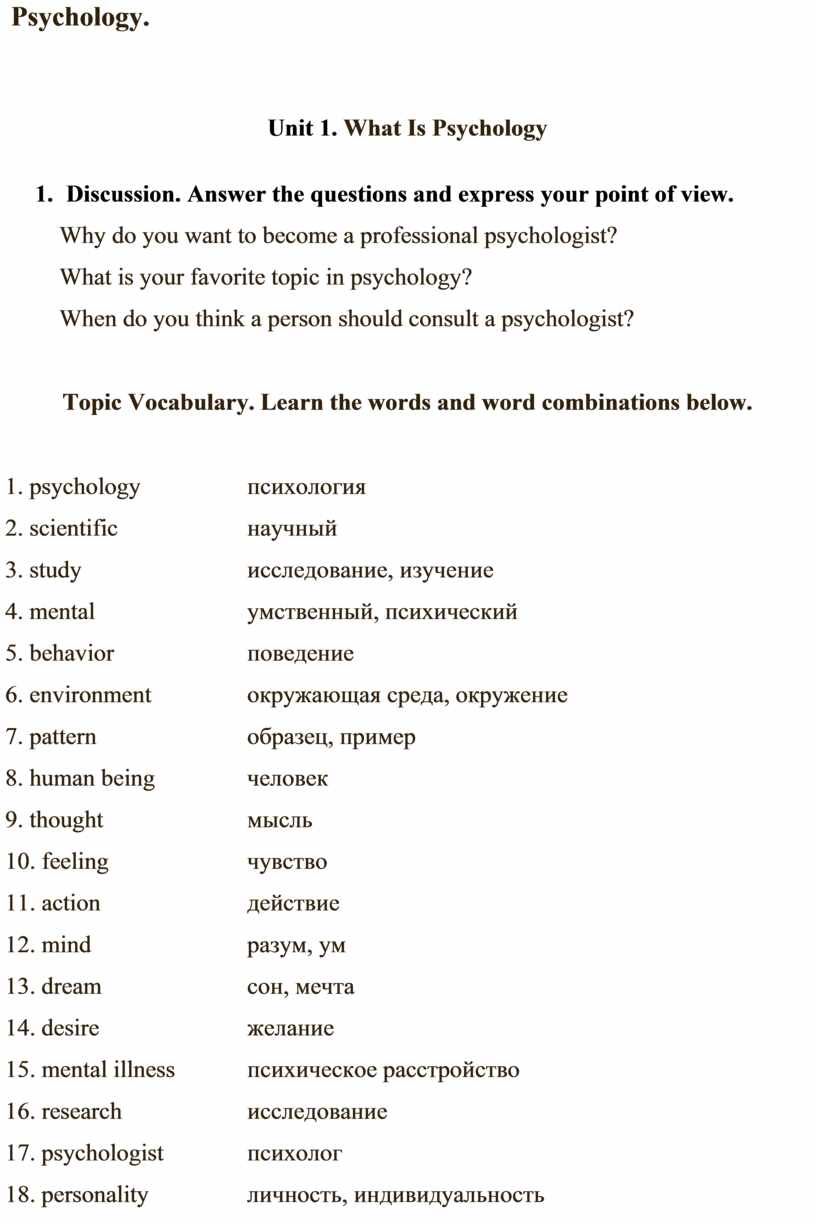
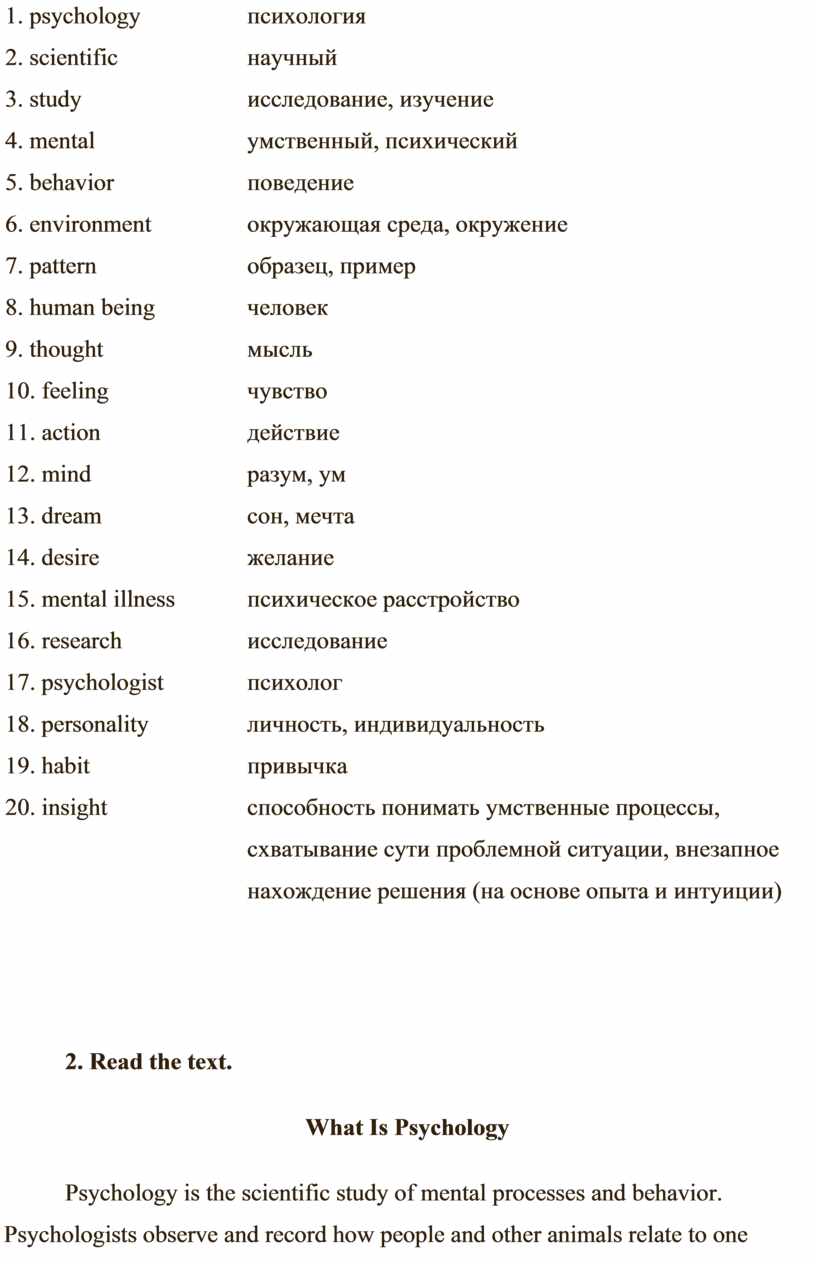


Материалы на данной страницы взяты из открытых источников либо размещены пользователем в соответствии с договором-офертой сайта. Вы можете сообщить о нарушении.


